


Introduction
Grain handling and processing operations inherently generate combustible dust, which can accumulate in equipment, silos, and in hidden areas. Without proper mitigation, even a small ignition source can trigger a fire or dust explosion, threatening personnel, operations, and assets.
Mitigating dust hazards requires a structured approach that combines engineering controls, operational discipline, and regulatory compliance. In this article, we outline where dust risks develop in grain facilities, effective mitigation strategies, and best practices for building a defensible dust safety program.
Grain operations present unique risk factors. Equipment is often enclosed, processes are continuous, and systems are highly interconnected. A small ignition event in one piece of equipment can propagate through ductwork, conveyors, or elevators, leading to secondary explosions that cause significantly greater damage than the initial event. In many historical incidents, the most severe destruction occurred not from the first ignition, but from accumulated dust igniting throughout the facility.

Where Dust Risks Develop in Grain Facilities
Grain handling facilities generate dust at nearly every stage of operation. While dust production is unavoidable, risk develops when fine particles accumulate in confined or poorly ventilated areas, particularly where ignition sources may be present. Understanding where these conditions commonly occur is the first step toward effective mitigation. These places include:
Grain Elevators and Conveying Systems
Bucket elevators, belt conveyors, and transfer points are among the most common locations for dust dispersion. As grain moves between equipment, dust is released and can become suspended in the air or settle on nearby structural surfaces.
Silos and Storage Bins
Filling and emptying can disturb settled dust inside storage vessels. Dust clouds may form during movement of internal equipment or material.
Milling and Size Reduction Equipment
Grinding and milling operations generate fine particles that are more easily dispersed and ignited. Hammer mills and roller mills operate at high speeds and can introduce frictional heat or mechanical failure risks. Without adequate dust collection and equipment monitoring, these areas can become high-risk zones.
Implementing Effective Dust Control Measures
Effective dust mitigation in grain facilities requires more than isolated safeguards. It involves a coordinated combination of engineering controls, operational discipline, and protective systems designed to prevent dust accumulation, control ignition sources, and limit explosion consequences.
Dust Collection and Facility Design
Dust control begins at the source. Properly designed local exhaust ventilation and centralized dust collection systems capture dust at transfer points, mills, and processing equipment before it can disperse into the facility. Systems must be appropriately sized, balanced, and maintained to ensure adequate airflow and prevent buildup inside ducts and collectors. Facility layout also plays a role. Minimizing horizontal surfaces, sealing gaps around equipment, and reducing hidden voids can limit dust migration and accumulation in structural areas.
Equipment Safeguards and Monitoring
Mechanical reliability is a critical component of dust mitigation. Overheated bearings, misaligned belts, and mechanical friction are common ignition sources in grain facilities. Temperature monitoring, belt alignment detection, and vibration sensors, provide early warning and automatic shutdown capabilities that reduce the likelihood of ignition.
Regular inspection and preventive maintenance programs ensure that safeguards remain functional and that developing mechanical issues are addressed before they escalate.
Explosion Protection Systems
Even with strong prevention measures, facilities must consider how to manage an event if ignition occurs. Explosion venting, suppression systems, and isolation devices are designed to reduce pressure buildup and prevent flame propagation between interconnected equipment.
Standards such as NFPA 68 and NFPA 69, developed by the National Fire Protection Association, guide the design and application of these protective systems. Proper selection and installation of explosion protection systems is essential to ensure they perform as intended during an incident.
Housekeeping and Administrative Controls
Structured housekeeping programs limit surface dust accumulation and reduce the likelihood of secondary explosions. Cleaning methods should prevent the re-dispersion of dust into the air, and cleaning schedules should be clearly defined and documented. Administrative controls, including hot work permitting, contractor oversight, and employee training, further reduce ignition risk.

Regulatory Requirements for Grain Facilities
Grain handling facilities are subject to specific regulatory requirements that address combustible dust hazards. Compliance is not limited to installing equipment. Facilities must be able to demonstrate that hazards have been identified, evaluated, and controlled through documented programs and engineering safeguards.
OSHA Grain Handling Standard
The Occupational Safety and Health Administration Grain Handling Standard (29 CFR 1910.272) establishes requirements for housekeeping, preventive maintenance, hot work controls, emergency action plans, and employee training. It places clear expectations on facilities to limit dust accumulation, control ignition sources, and implement safe operating procedures.
OSHA inspections often focus on housekeeping practices, maintenance records, and whether facilities have evaluated dust hazards systematically rather than reactively.
NFPA Standards Applicable to Grain Operations
Standards developed by the National Fire Protection Association provide technical guidance for preventing and mitigating dust explosions in agricultural and food processing facilities.
- NFPA 61 addresses fire and dust explosion prevention in agricultural facilities.
- NFPA 652 establishes the fundamental requirements for combustible Dust Hazard Analysis (DHA).
- NFPA 68 and NFPA 69 guide explosion venting, suppression, and isolation systems.
While NFPA standards are consensus standards rather than federal regulations, they are widely recognized as the basis for demonstrating compliance and engineering best practice.
Building a Defensible Dust Mitigation Program
Mitigating dust hazards in grain facilities is not a one-time effort. A defensible program is structured, documented, and continuously maintained. It connects hazard identification, control implementation, and ongoing verification into a single management framework.
1. Systematic Hazard Evaluation
A strong program begins with a structured evaluation of dust hazards across the facility. This includes identifying:
- Areas where combustible dust is generated or accumulates
- Potential ignition sources
- Interconnected equipment that could allow explosion propagation
- Existing preventive and protective safeguards
A formal Dust Hazard Analysis provides the framework for this evaluation and helps facilities prioritize risks based on severity and likelihood.
2.Implementation of Controls
Once hazards are identified, mitigation measures should be implemented. This may include:
- Upgrading dust collection systems
- Installing or improving explosion protection systems
- Enhancing equipment monitoring
- Strengthening housekeeping and maintenance procedures
Controls should not be applied reactively. They should be selected intentionally in compliance with standards to address the highest-risk scenarios first.
3.Documentation and Regulatory Alignment
A defensible program must be documented. Facilities should maintain records of:
- Hazard evaluations
- Corrective actions and upgrades
- Inspection and maintenance activities
- Housekeeping program
- Training and hot work controls
Documentation demonstrates that dust hazards are understood and actively managed, which is essential during regulatory inspections.
4.Ongoing Review and Continuous Improvement
Grain operations change over time. Equipment is modified, production increases, and layouts evolve. Dust mitigation strategies should be periodically reviewed to ensure they remain effective and aligned with current operating conditions. Regular reassessment prevents gaps from developing and ensures that mitigation measures continue to perform as intended.
Conclusion
Effective dust mitigation in grain handling operations requires a structured approach that integrates hazard evaluation, engineered safeguards, operational controls, and regulatory awareness. Facilities that proactively assess and manage dust risks are better positioned to prevent incidents, reduce downtime, and demonstrate compliance — strengthening both safety performance and operational resilience.
Inadequate dust mitigation can lead to structural damage, regulatory penalties, and increased insurance scrutiny. Facilities are expected to demonstrate that dust hazards are identified, evaluated, and controlled in accordance with OSHA requirements and NFPA standards. For these reasons, dust mitigation must be proactive rather than reactive, integrated into facility design, maintenance practices, and management systems.

Related Blogs

How Static Electricity Can Cause Fires in Your Facility
Learn how electrostatic charge buildup can create sparks that ignite flammable vapors, gases, and combustible dust in industrial operations.

Join Our 5-Day On-Site Process Safety Training | Starts Oct 27
Join Prime Process Safety Center’s 5-day training on chemical hazards, dust, electrostatics, area classification, and PSM.

Webinar: Electrostatic Hazard Assessment: Prevention, Protection, and Best Practices
Join our webinar with Dr. Emmanuel Kwasi Addai to learn how to control electrostatic hazards in industrial processes and prevent fires.
How Combustible Dust Testing Supports a Defensible Dust Hazard Analysis(DHA)
Learn how combustible dust testing supports a defensible Dust Hazard Analysis and drives safer, data-driven decisions in your facility.
Combustible Dust Hazard: Explosion Protection Strategies
Explosion protection strategies for combustible dust hazard, including containment, venting, and suppression per NFPA standards.

Mitigating Dust Hazards in Grain Handling Facilities
Learn how to manage dust explosion hazards in grain handling industries with key causes, regulations, and mitigation strategies.
Conducting Hazardous Area Classifications: A Step-by-Step Guide for Safer Operations
Learn how conducting hazardous area classifications help identify explosive atmospheres, control ignition sources, and ensure regulatory compliance.

Understanding Combustible Dust Fires and Explosions in Pharmaceutical Industry
Identify and mitigate combustible dust risks in pharmaceutical industry. Explore dust sources, hazards, safety controls, and compliance.
Combustible Dust Hazard: Management of Ignition Sources
Learn how to manage ignition risks in combustible dust environments with strategies for grounding, equipment, and ventilation.
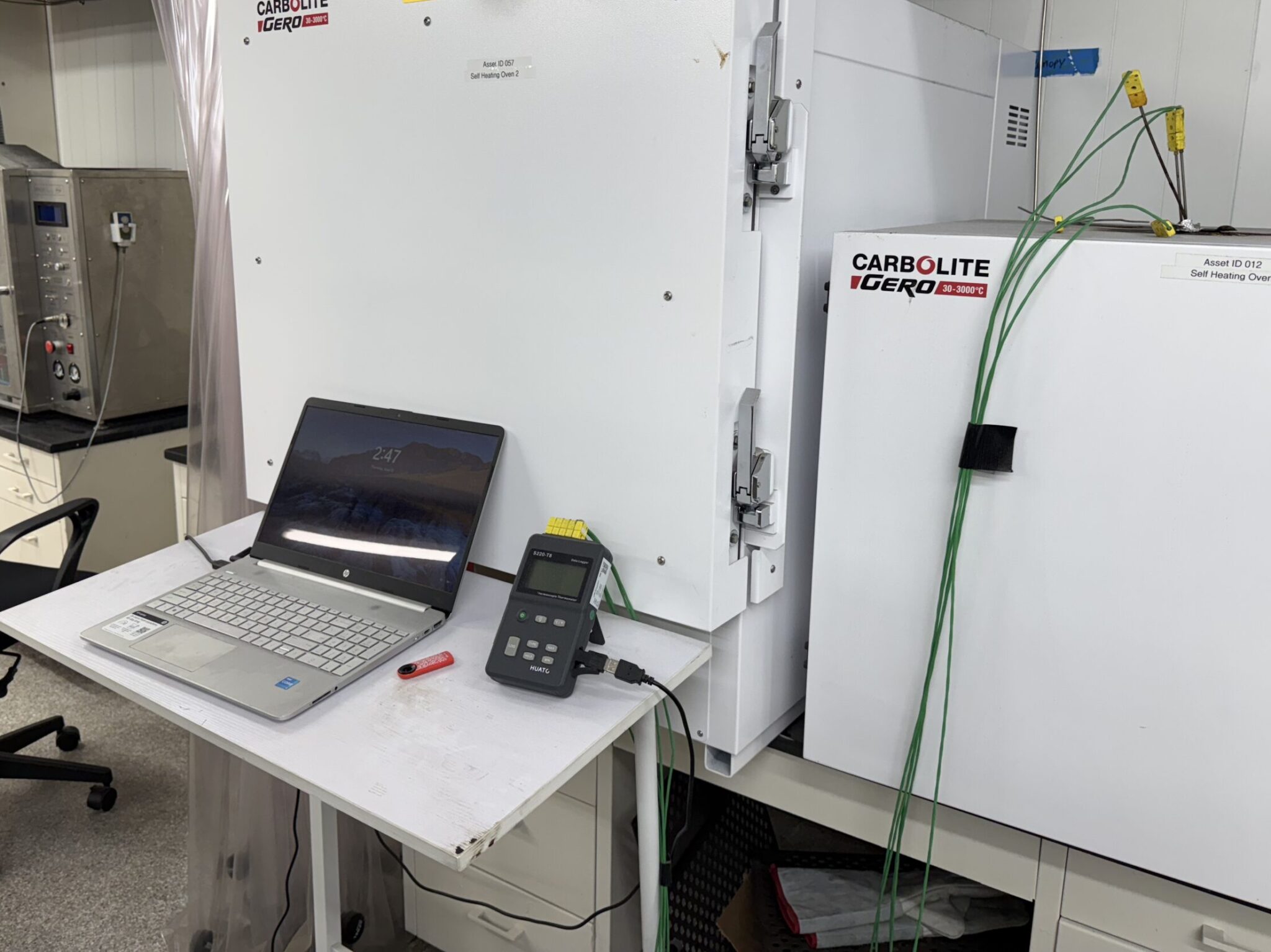
Understand the Basics of Self-Heating / Thermal Instability Testing
Basics of Self-Heating / Thermal Instability Testing: Key powder tests to identify fire risks and ensure safe handling and storage.
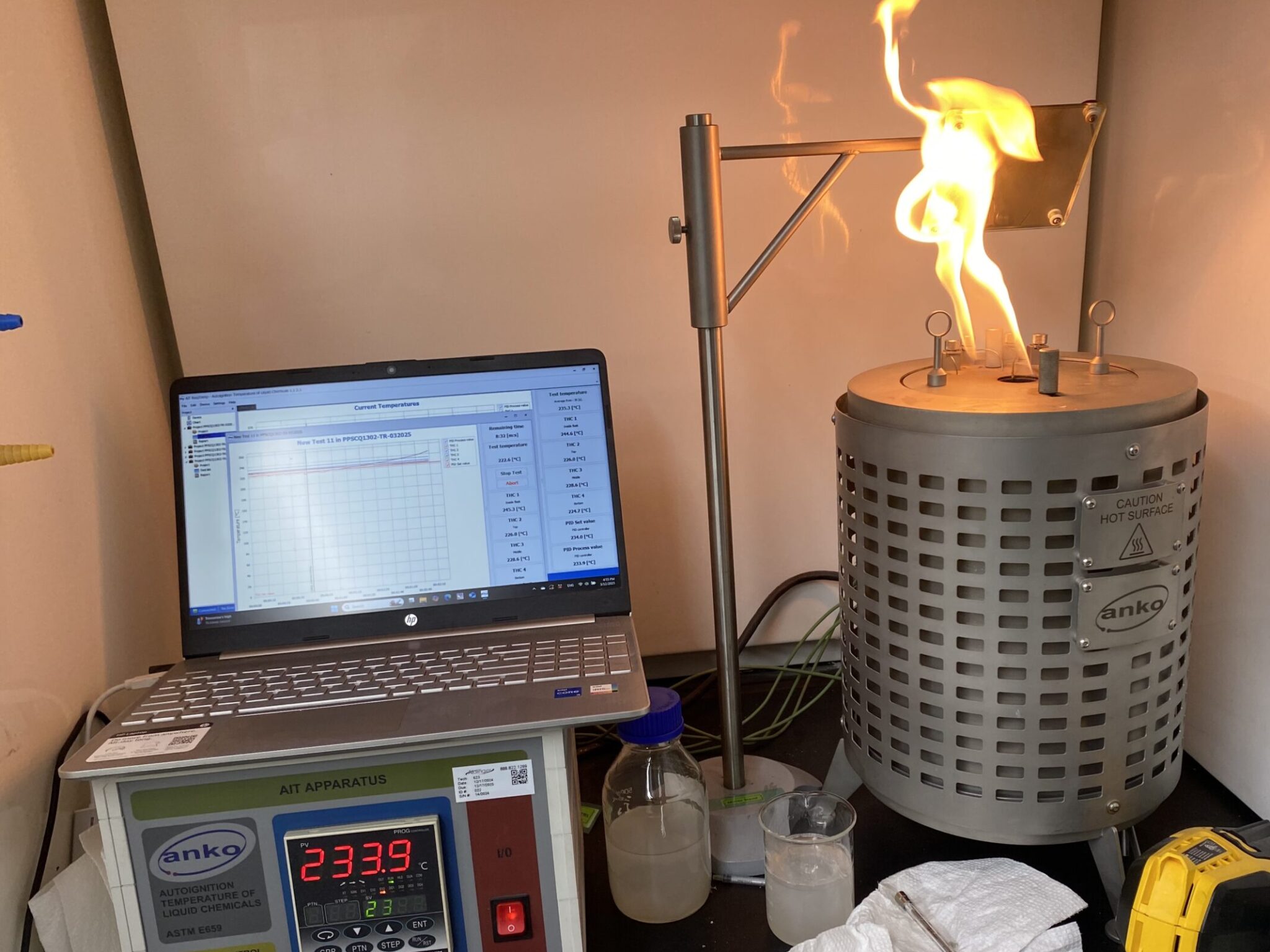
Types of Gas and Vapor Flammability Tests
Explore the fundamentals of gas and vapor flammability testing and its role in ensuring safety in flammable gas handling industries.

A Complete Guide to Electrostatic Discharge Testing
A practical guide to electrostatic testing that helps manage static risks, protect products, and ensure safety and regulatory compliance.