

We also offer
Electrostatics Testing is essential for industries handling flammable materials, powders, gases, or sensitive electronics. It helps identify the potential for static electricity to generate, accumulate, or discharge—preventing ignition, explosions, fires, or equipment damage.
Typical electrostatic tests include:
-
Capacitance
-
Electrostatic Charge Transfer
Comprehensive Electrostatics Testing enables organizations to detect and manage electrostatic hazards early, protecting personnel, maintaining product integrity, and meeting safety standards.
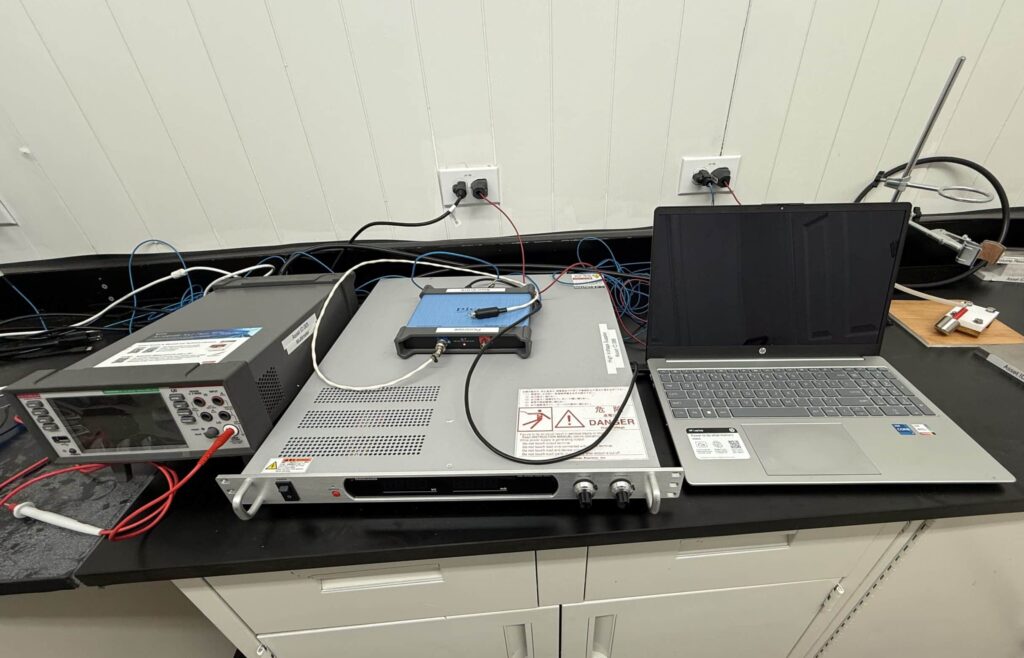
Our experienced lab team uses advanced equipment to deliver accurate, reliable results. We ensure compliance with industry regulations and provide actionable recommendations tailored to your specific needs.
Identifying Discharge Modes and Energy Release Levels
Static electricity produces different discharge mechanisms depending on surface geometry and electric field strength. A spark discharge between isolated metal pipes releases concentrated energy that ignites airborne vapors in milliseconds. Brush discharges occur along nonconductive plastics and can easily ignite low-energy solvent atmospheres.
At Prime Process Safety Center, our electrostatic testing services define these exact discharge mechanisms for your process equipment:
- Spark Discharges: High-energy releases between ungrounded conductors that threaten both vapor and particulate systems.
- Brush Discharges: Formations across insulating surfaces capable of igniting common solvent mixtures.
- Propagating Brush Discharges: High-intensity sheet discharges that develop over thin insulating linings backed by conductive walls.
- Cone Discharges: Bulking phenomena occurring across powder heaps inside large containment silos.
Different container constructions change electrical dissipation behaviors across production lines.
Bulk Container Safety and Liquid Velocity Dynamics
Using the wrong bulk bag during powder transfers creates severe ignition points in classified locations. Type C bags require continuous path-to-ground verification, whereas Type D fabrics discharge energy directly into air without external bonding cables. Routine electrostatic testing services verify breakdown voltage across liner films to prevent energetic wall punctures during fast unloading cycles.
Our technicians also examine liquid velocity dynamics across pipelines and storage tanks. Low-conductivity fluids like toluene separate charges during high-speed pumping, storing dangerous electrical potential inside vessels. Our safety consulting services team reviews laboratory resistivity curves to set safe fluid flow speeds and pipe relaxation times for your plant operators. Dedicated electrostatic testing services turn physical lab measurements into verified operating rules for daily plant safety.
Understanding Pricing and Project Proposals
Project pricing reflects your exact testing configuration, not rigid flat-rate packages. When requesting an estimate, provide details on your material composition, physical form, process temperature, and current equipment specifications. Our engineering team reviews these baseline variables to recommend a targeted testing matrix that excludes unnecessary diagnostics.
You receive a transparent, itemized proposal detailing laboratory scope and sample size requirements before any shipment begins.
Stop hidden static before a spark appears. Check our services below and contact us to request a testing evaluation quote for your facility materials.
FAQs
1. Why does a high-speed liquid transfer increase static ignition risks?
Liquid movement against metal pipe walls strips electrons away, generating rapid electrical separation. Hydrocarbon fluids with low conductivity hold this charge rather than draining it to ground. The retained electrical potential can then create sparks when the liquid enters an ungrounded storage tank.
2. How do Type C and Type D bulk bags differ during plant unloading?
Type C containers feature interwoven conductive threads that must maintain an active ground connection. Type D bags utilize specialized static-dissipative fibers that discharge energy safely through low-energy corona release without grounding leads.
3. What is the practical danger of a propagating brush discharge?
These discharges release high levels of energy across thin insulating barriers backed by metal. This sudden discharge carries sufficient energy to ignite many standard industrial solvents and combustible powder clouds.
4. How does employee movement cause static accumulation on the plant floor?
Workers walking across non-conductive floor surfaces can easily generate over ten thousand volts on their bodies, creating a potential electrostatic ignition hazard if the charge is suddenly discharged.
5. How are pricing and formal proposals calculated for electrostatic assessments?
Pricing depends on the number of individual tests, sample conditioning requirements, and material matrix complexity. After reviewing your Safety Data Sheet and operating conditions, our team provides an itemized quote detailing exact test standards and required sample volumes before testing proceeds.