
We also offer
A Safety Data Sheet (SDS), formerly known as a Material Safety Data Sheet (MSDS), is a vital document that provides detailed information about a hazardous chemical substance. It includes the chemical’s identity, composition, hazardous ingredients, and classification based on systems like the Globally Harmonized System (GHS).
Creating an SDS involves identifying the hazards, assigning appropriate labels and pictograms, and conducting specific tests depending on the chemical and its intended use. The SDS outlines essential information for safe handling, storage, and emergency response procedures—helping protect people, property, and the environment.
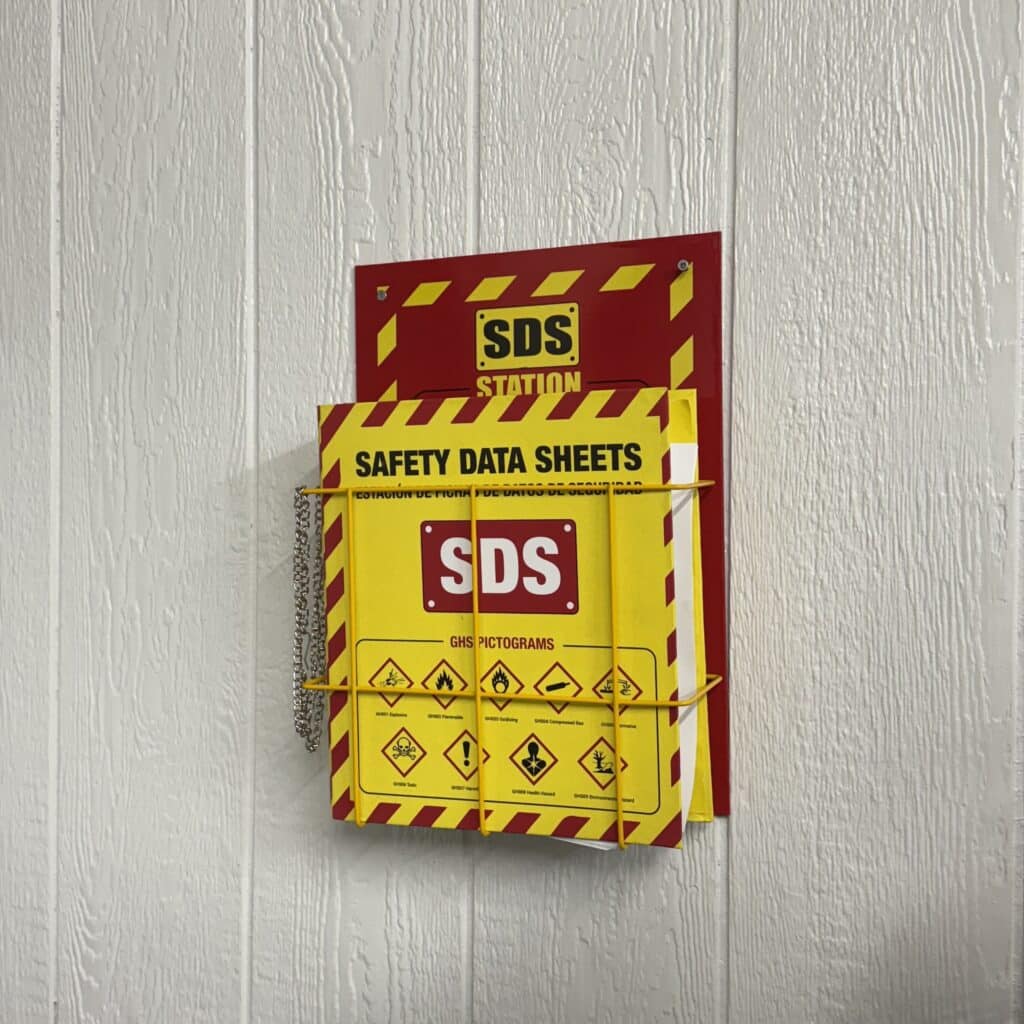
Prime Process Safety Center offers expert testing services for developing accurate and compliant Safety Data Sheets (SDS). Our experienced lab staff and state-of-the-art equipment ensure regulatory compliance and provide complimentary safety recommendations tailored to your application.
Connecting Physical Test Results to Document Sections
Building a reliable document requires more than pulling data from reference textbooks. When chemical mixtures blend in real manufacturing equipment, physical reactions change how products interact with air or heat. Generic templates often overlook these shifts, leaving your operations exposed during safety audits.
At Prime Process Safety Center, our safety data sheet creation connects bench-tested facts directly to mandatory reporting sections:
- Section 2 Hazard Classification: Uses flash point and pH data to set proper hazard warnings and signal words.
- Section 10 Stability and Reactivity: Identifies thermal runaway thresholds and hazardous decomposition reactions during storage.
- Section 14 Transport Details: Connects laboratory results to proper shipping descriptions and domestic transport requirements.
Accurate SDS generation requires verifying real material reactions instead of relying on automated software estimates.
Our technicians review how different components behave together in production vessels. Many commercial blends display distinct vapor pressures or reactivity points that off-the-shelf databases cannot predict. Through disciplined safety data sheet creation, our team ensures your compliance paperwork matches the actual physical products leaving your loading dock.
Learn How Our Pricing and Quotes Work
Because manufacturing conditions vary across plants, every estimate starts with the operational details you provide. Prime Process Safety Center calculates laboratory costs based on the specific testing procedures requested and the total count of individual substances submitted. Our safety consulting services staff reviews facility requirements based on operating units and the depth of technical review required.
Submitting material descriptions along with known process handling conditions gives our technical team what it needs to prepare an accurate estimate. Draft documentation or existing formulation summaries assist our staff in defining your project scope.
Initial quote requests remain free, giving your personnel time to discuss options before committing to laboratory work. Investing in professional SDS generation gives your operations reliable paperwork built on verifiable physical facts.
Build documentation that stands up to regulatory scrutiny. Request your free quote today.
FAQ
1. Why does automated authoring software often fail when classifying proprietary chemical mixtures?
Automated programs rely on standard database values calculated for single, pure chemical substances. When you combine ingredients into a commercial formulation, physical properties like vapor pressure and flammability change. Relying strictly on computer algorithms can generate inaccurate hazard warnings that do not match the real mixture.
2. How do laboratory reactivity tests support the drafting of Section 10?
Thermal stability testing identifies the specific temperature limits where a product begins to break down. This data tells plant operators which materials react dangerously together inside storage vessels.
3. What operational changes require our facility to update an existing Safety Data Sheet?
Regulatory rules require an update whenever a formulation changes or when new safety data reveals previously unidentified risks.
4. Can proprietary ingredients remain protected on a public document?
Trade secret rules allow manufacturers to withhold exact chemical identities and concentration percentages, provided the hazards remain clearly stated.
5. How are quotes developed for authoring and property testing packages?
Project pricing reflects the number of products submitted and the laboratory test methods chosen to verify physical properties. Providing current ingredient lists and known handling temperatures allows our technical team to build an itemized project scope before testing begins.