
We also offer
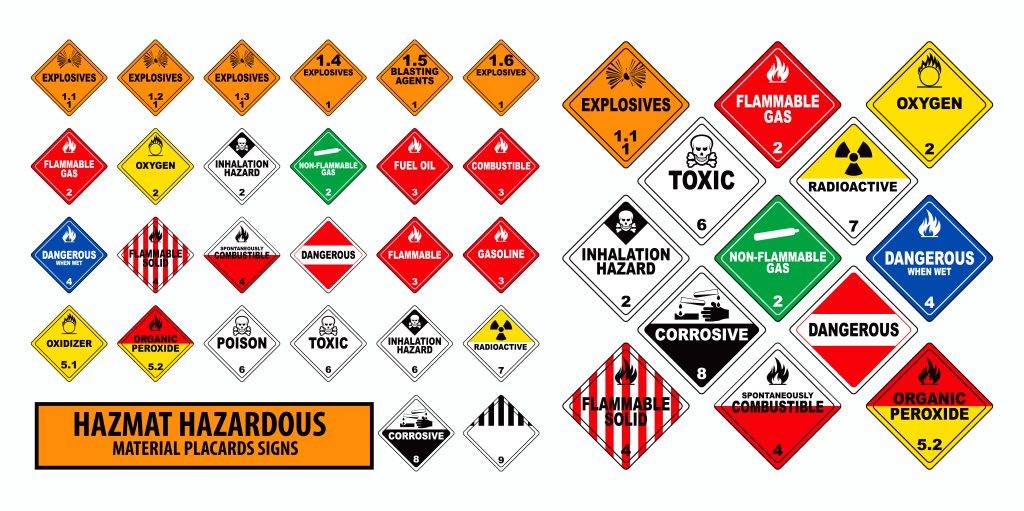
UN/DOT Testing & Classification is a critical process for ensuring the safe transport of hazardous materials. Developed by the United Nations (UN) and the Department of Transportation (DOT), this system evaluates material properties and classifies them into specific hazard classes, including explosives, gases, flammable liquids and solids, oxidizers, toxic and infectious substances, radioactive materials, and corrosives.
This classification helps determine proper handling, packaging, labeling, and transportation requirements—minimizing risks to human health, safety, and the environment.
Prime Process Safety Center specializes in UN/DOT Testing & Classification. With advanced equipment and an experienced lab team, we provide accurate evaluations, regulatory compliance support, and complimentary, application-specific recommendations.
What We Solve
Shipping hazardous materials without validated classification leads to rejected freight and severe transport penalties. Department of Transportation regulations hold manufacturers accountable for identifying exact physical hazards before products move into commercial transit. Routine safety data sheets often lack specific empirical benchmarks, leaving shipping managers uncertain about proper container specifications.
Proper characterization establishes the correct packaging group, protecting transport workers and preventing costly carrier rejections. Defensible testing ensures full regulatory compliance across highway and rail freight networks.
Why Work With Us
Prime Process Safety Center evaluates reactive and flammable materials using standard testing protocols. Our experienced engineers analyze your operating conditions to ensure that lab findings directly support practical facility safety. We focus on bridging the gap between transportation mandates and daily manufacturing operations.
Conducting verified dangerous goods testing eliminates regulatory guesswork for your logistics team. Accurate determinations reduce operational delays while lowering product liability risks during distribution. When complex operations require additional risk analysis, our laboratory coordinates directly with our professional safety consulting services.
Transparent Pricing and Quotes
Pricing depends on the specific chemical properties and testing standards your material requires. We review your preliminary safety data to deliver a scoped estimate without hidden laboratory fees. Each proposal clearly outlines required sample volumes and testing schedules upfront.
Contact our technical team today to discuss your materials and receive a customized testing proposal. Our specialists help you determine the exact protocols required for full compliance.
I am text block. Click edit button to change this text. Lorem ipsum dolor sit amet, consectetur adipiscing elit. Ut elit tellus, luctus nec ullamcorper mattis, pulvinar dapibus leo.
1. How do test results determine the required packing group?
Physical tests measure relevant material properties and behavior. Test results are evaluated against applicable transport regulations to determine the appropriate packing group (I, II, or III), based on the degree of danger presented by the material.
2. What information is needed to receive a quote?
Submit your current Safety Data Sheet alongside details regarding your intended distribution routes and known physical properties. That baseline information helps our engineers establish the appropriate testing sequence.
3. How does transport classification support plant safety?
Transport data directly informs manufacturing controls. Standardized shipping tests uncover how chemicals behave under specified test conditions, providing plant managers with important information to establish safe bulk storage limits and strengthen daily operating procedures.
4. What sample quantity is required for testing?
Most evaluations for solids and liquids require between one hundred grams and one kilogram of representative product. Specific quantities depend on the selected test standard.
5. Do these test results apply to international shipments?
Yes. Testing performed under applicable United Nations criteria can support international compliance requirements for air and ocean freight, subject to the relevant transport regulations.
6. What happens if a material exhibits borderline test results?
Our technicians may conduct repeat verification trials to assess test consistency. When values fall near a regulatory threshold, our engineers review the applicable classification criteria and supporting test data to establish a defensible classification.
7. Which specific hazard classes undergo evaluation?
Our core testing focuses on flammable liquids and self-heating solids. We also evaluate water-reactive chemicals and oxidizing substances to help determine appropriate transport classifications and shipping descriptions.