

What Conditions Cause a Gas or Vapor Explosion
A gas or vapor explosion does not occur simply because a flammable material is present. In most industrial incidents, a release first forms a combustible fuel-air mixture, then an ignition source initiates rapid flame propagation. At a minimum, four conditions matter: a flammable gas or vapor, an oxidant (typically air), sufficient premixing to place part of the cloud in the flammable range, and an effective ignition source. Remove any one of these conditions and an explosion cannot occur.
Concentration matters because each flammable gas or vapor has a flammable range, commonly described by the Lower Flammable Limit (LFL) and Upper Flammable Limit (UFL), also called LEL/UEL in gas detection practice. Below the LFL the mixture is too lean to burn; above the UFL it is too rich to burn at that exact location. However, a cloud released above the UFL can still become hazardous as it entrains air and passes through the flammable range, and the edges of a rich cloud may already be ignitable.
Premixing is a critical concept that is often overlooked. Many severe industrial gas/vapor events occur only after the released material has had time to disperse and mix with air before ignition. Premixing can occur in rooms, pits, process modules, loading racks, enclosed equipment, or around evaporating liquid pools. The larger the premixed flammable cloud, the greater the potential for flash fire, explosion overpressure, and secondary damage.
Ignition sources are more varied than many people expect. Open flames and sparks are obvious hazards, but static discharges, hot surfaces, electrical faults, frictional heating, welding, and non-rated equipment can all ignite a flammable cloud. Whether the event remains a flash fire or develops into a damaging explosion depends strongly on cloud size, ignition timing, congestion, confinement, and flame acceleration.
Common Industrial Scenarios
Gas and vapor explosions are not random events. They typically occur in recognizable operating situations where a release, premixing, and ignition can occur in sequence. Understanding these scenarios is essential for facilities that handle, store, or process flammable materials.
Confined Spaces
Tanks, vessels, pits, underground vaults, sumps, sewers, and similar spaces are among the most hazardous environments for gas or vapor accumulation. Limited ventilation can allow a release to remain within the flammable range without any obvious visual warning. Workers entering or opening these spaces without atmospheric testing, ventilation, and ignition control face significant risk.
Fuel Storage and Handling
Gasoline and other flammable liquids are often misunderstood as the primary hazard. In many cases, it is the vapor generated during storage, loading, unloading, transfer, or spill evaporation that creates the explosion risk. Tank vents, loading racks, pump seals, hose connections, and diked areas can all support vapor cloud formation when ventilation or ignition control is inadequate.
Oil and Gas Extraction and Processing
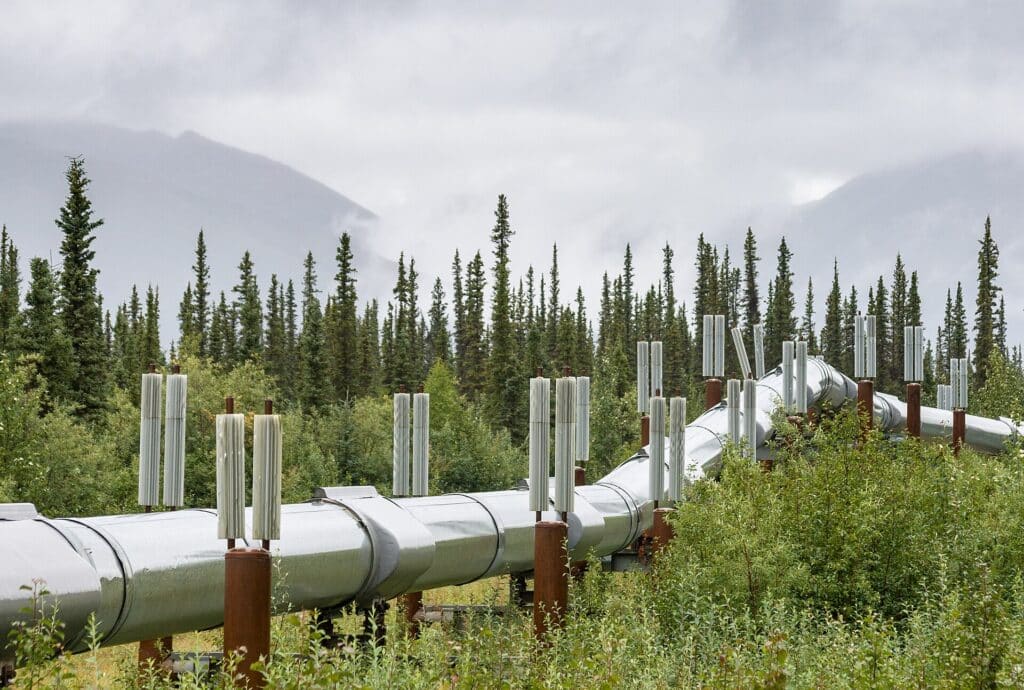
Wellheads, separators, compressors, refineries, and gas-processing facilities handle large quantities of flammable gas, often under pressure. Seal failures, valve malfunctions, venting, blowdowns, flange leaks, or sudden pressure releases can quickly generate a large combustible cloud, especially in congested process areas.
Chemical Processing Facilities
Many industrial chemical processes use or generate flammable gases and volatile solvents as feedstocks, intermediates, or byproducts. Reactors, distillation columns, dryers, storage vessels, transfer lines, and sampling systems are common points of vulnerability, particularly when inerting, isolation, monitoring, or maintenance controls are ineffective.
Leaks Near Ignition Sources
Even outside major process units, a gas or vapor leak near motors, heaters, switchgear, forklifts, open flames, or hot work can be enough to trigger an incident. This scenario is common in manufacturing areas, utility rooms, warehouses, and maintenance zones where gas lines and ignition sources exist in close proximity.
Premixed Cloud Formation During Non-Routine Operations
Start-up, shutdown, purging, line opening, draining, sampling, cleaning, vessel entry, and temporary hose connections routinely create conditions where fuel and air can mix before operators realize a flammable cloud exists. Non-routine work is especially vulnerable because equipment may not be in steady-state, safeguards may be bypassed, and ignition sources such as tools or energized equipment may be nearby.

Key Causes Behind These Incidents
The science of gas/vapor explosion hazards is well understood, but incidents usually develop from failures in design, maintenance, operations, or supervision. Understanding these causes is what separates facilities that control risk effectively from those that allow a minor release to escalate into a major event.
Equipment Failure and Poor Maintenance
Aging pipelines, corroded fittings, damaged hoses, faulty valves, leaking seals, and degraded instrument connections are among the most common physical causes of gas or vapor releases. Many of these failures are preventable through inspection, testing, and mechanical integrity programs, yet they remain a leading factor in industrial incidents.
Inadequate Ventilation and Dispersion
Ventilation is one of the most effective passive controls against formation of a flammable premixed cloud. When ventilation is undersized, poorly distributed, obstructed, or not maintained, released gas or vapor can accumulate in enclosed or semi-enclosed areas and remain within the flammable range long enough to be ignited.
Human Error and Procedural Deviations
Procedural mistakes, such as bypassing safety systems, defeating alarms, improper lockout/tagout, performing hot work near an uncontrolled release, or misjudging atmospheric conditions before entry or maintenance, account for a large share of gas/vapor incidents. Inadequate training, poor supervision, and weak operating discipline amplify this risk.
Improper Storage, Layout, and Isolation
Storing flammable materials near ignition sources, routing release points toward occupied or congested areas, overfilling containers, using equipment not suitable for the hazardous location, or failing to isolate systems properly during maintenance all increase explosion risk. These situations often arise from design gaps, poor layout decisions, or inadequate management of change.
Warning Signs and Detection
Many gas/vapor explosions are preceded by indicators, but the warning signs are not always obvious or reliable. Some gases are odorized, some are not; some vapors migrate to low points or remote ignition sources; and some releases are detected only after instruments alarm. For that reason, facilities should rely on layered detection rather than human senses alone.
Physical warning signs may include:
- Unusual odor where an odorant is expected
- Hissing, frosting, or visible vapor near valves, flanges, hoses, regulators, or vents
- Corrosion, vibration, or mechanical damage on gas-carrying equipment
- Unexpected pressure loss, abnormal flow, or unexplained instrument deviation
Detection systems should include:
- Fixed gas detectors placed where releases are credible and where gas or vapor is likely to accumulate; alarms are commonly set well below the LFL
- Portable multi-gas meters for confined space entry, maintenance, and field verification
- Supervisory control, leak detection, and shutdown systems that flag pressure, flow, temperature, or composition anomalies
Detection alone is not enough. Personnel must be trained to respond correctly to alarms, isolate the source where safe, stop ignition-producing work, and escalate abnormal conditions before a cloud reaches an occupied or congested area.
Prevention and Best Practices
Preventing gas/vapor explosions requires a combination of sound design, disciplined operations, and effective management systems. The objective is to prevent releases, prevent formation of a flammable premixed cloud, and prevent ignition if a release does occur.
Engineering Controls
- Proper ventilation and dispersion management in enclosed and semi-enclosed areas
- Gas detection, emergency isolation, and automatic shutdown systems
- Pressure relief, blowdown, drainage, and containment features designed for credible release scenarios
- Electrical equipment and instruments suitable for the classified hazardous location
- Layout and congestion management to limit flame acceleration and explosion severity
Administrative Controls
- Clear procedures for confined space entry, hot work, line opening, purging, and start-up/shutdown activities
- Lockout/tagout and energy-isolation practices during maintenance and abnormal operations
- Routine inspection, testing, and mechanical integrity programs for piping, valves, seals, hoses, and detectors
- Incident and near-miss reporting systems that capture weak signals before a major event
- Management of change, training, and operating-discipline programs to keep safeguards effective
Regulatory Frameworks
Facilities handling flammable gases and volatile liquids are commonly governed by OSHA process safety requirements and by NFPA/API/IEC good practices for hazardous locations, flammable-liquid handling, gas detection, and electrical classification. Compliance should be treated as a baseline, not the end point, because site-specific release scenarios and congestion effects often control actual explosion risk.
Audits and Hazard Assessments
Regular hazard reviews, such as PHA, LOPA, hazardous area classification, gas detector placement review, and pre-startup safety review, help identify vulnerabilities before an incident occurs. Independent audits and specialist explosion-risk reviews are especially valuable for verifying assumptions about release behavior, premixing, ignition control, and escalation potential.

Related Blogs

ATEX vs IECEx Hazardous Area Classification
Understand the conditions that lead to gas and vapor explosions, common industrial scenarios, and how facilities can reduce the risk.
Protect Against Electrostatic Hazards
Understand the conditions that lead to gas and vapor explosions, common industrial scenarios, and how facilities can reduce the risk.
Soil Resistivity Information and Field Testing
Understand the conditions that lead to gas and vapor explosions, common industrial scenarios, and how facilities can reduce the risk.

SDS Creation and Physical Property Testing
Understand the conditions that lead to gas and vapor explosions, common industrial scenarios, and how facilities can reduce the risk.

UN/DOT HAZARDOUS MATERIALS TESTING
Understand the conditions that lead to gas and vapor explosions, common industrial scenarios, and how facilities can reduce the risk.

Thermal Stability Testing
Understand the conditions that lead to gas and vapor explosions, common industrial scenarios, and how facilities can reduce the risk.

Combustible Dust Hazard Identification and the Dust Hazard Analysis (DHA)
Understand the conditions that lead to gas and vapor explosions, common industrial scenarios, and how facilities can reduce the risk.

Chemical Reaction Hazard Testing & Reactive Chemical Services
Understand the conditions that lead to gas and vapor explosions, common industrial scenarios, and how facilities can reduce the risk.
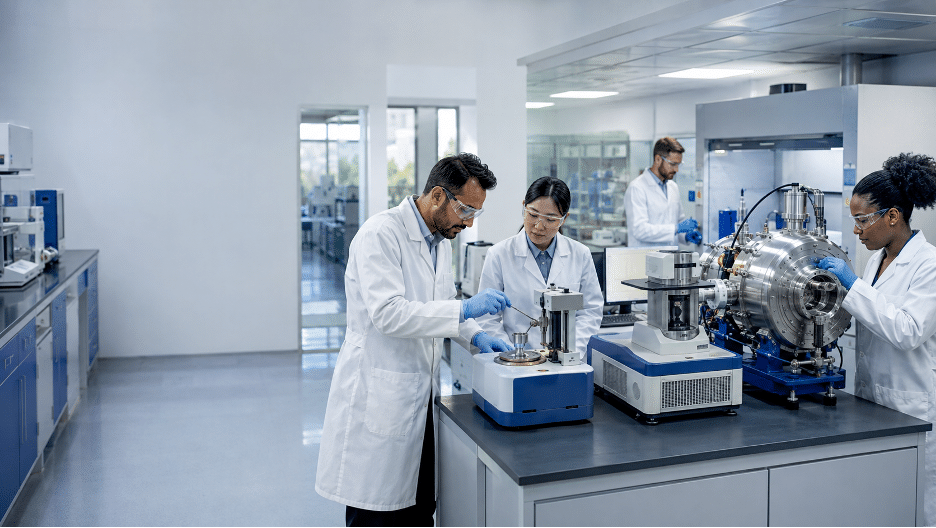
ASTM Testing Services
Understand the conditions that lead to gas and vapor explosions, common industrial scenarios, and how facilities can reduce the risk.
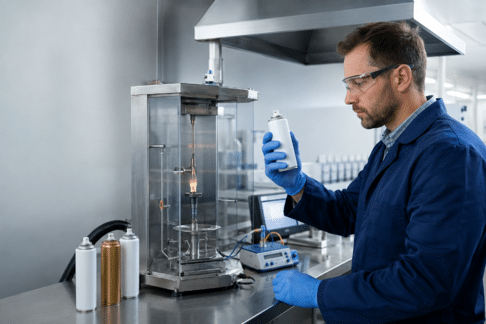
Aerosol Testing Services: Flammability, UN/DOT Classification and Safe Handling
Understand the conditions that lead to gas and vapor explosions, common industrial scenarios, and how facilities can reduce the risk.
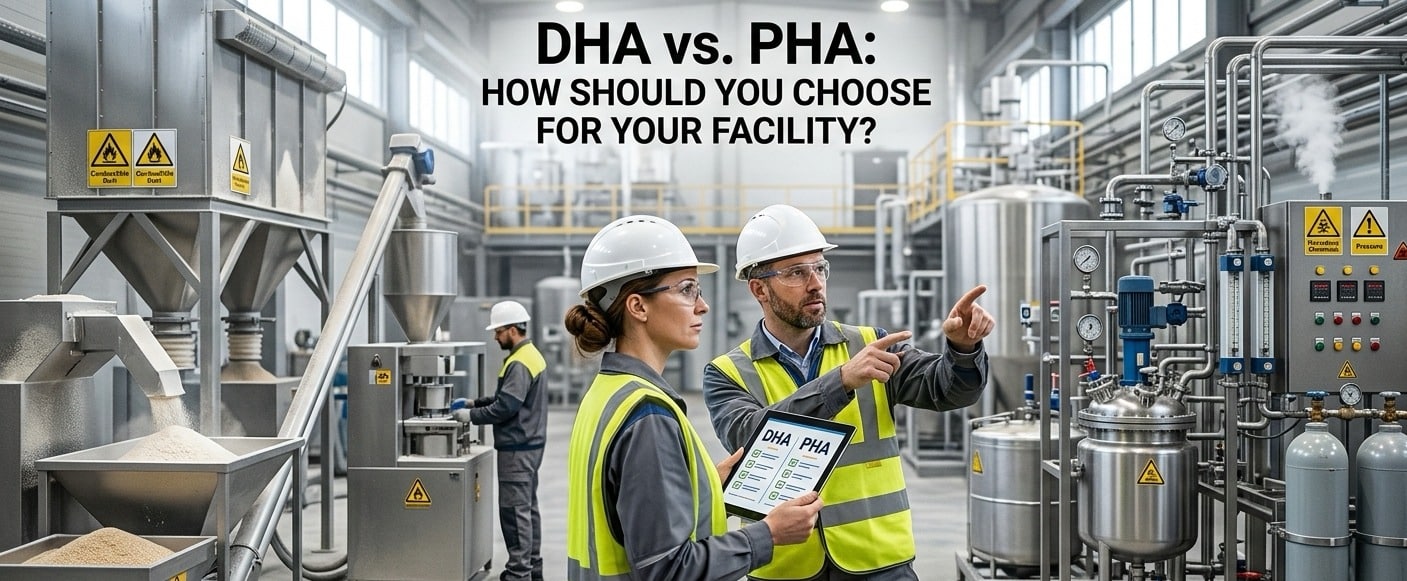
DHA vs. PHA: How Should You Choose for Your Facility?
Understand the conditions that lead to gas and vapor explosions, common industrial scenarios, and how facilities can reduce the risk.

The 0.1% Mistake: How Trace Impurities Trigger Mass Thermal Runaway
Understand the conditions that lead to gas and vapor explosions, common industrial scenarios, and how facilities can reduce the risk.