
We also offer
What Is Consequence Modeling?
Consequence Modeling is a key element of industrial risk assessment that focuses on predicting the potential impacts of hazardous events. It simulates the effects of incidents like chemical spills, gas leaks, fires, and explosions to understand their consequences for people, property, and the environment.
This modeling technique uses mathematical simulations and specialized software to estimate outcomes such as:
-
The dispersion of toxic gases
-
Blast overpressures from explosions
-
Thermal radiation from fires
-
Environmental contamination from chemical releases
Industries that handle hazardous materials—such as chemicals, oil and gas, and manufacturing—rely on consequence modeling for safety planning, facility design, and regulatory compliance.
Translating Consequence Contours into Facility Siting Plans
Industrial facilities must verify that control rooms and maintenance shops are placed far enough from potential fire and toxic events. API RP 752, API RP 753, and API RP 756 govern the placement of permanent and portable structures near hazardous process units.
Consequence modeling establishes the baseline physical impact zones needed to meet these standards:
- Vapor cloud explosion blast overpressure: Calculating peak overpressure (such as 0.5 psi and 1.0 psi blast contours) and impulse duration across structural building facades.
- Thermal radiation fluxes: Mapping fire impact zones (such as 4.7 kW/m² for personnel evacuation and 37.5 kW/m² for equipment damage) caused by pool fires or fireballs.
- Toxic dispersion distances: Determining vapor plume travel under varied atmospheric stability classes (Pasquill-Gifford classes A through F).
These physical thresholds let engineering teams make sensible decisions regarding building relocation or process redesign.
Combustible Dust Flash Fire and Explosion Modeling
Many process safety consultant analyses focus strictly on flammable gases and liquids, overlooking the physical reach of combustible dust events. Deflagrations involving bulk powders, agricultural products, or fine chemical intermediates generate intense thermal pulses and destructive pressure waves.
Prime Process Safety Center pairs laboratory test data and minimum ignition energy (MIE) with physical consequence calculations. We determine the extent of primary fireball ejection from relief vents and calculate secondary dust cloud entrainment distances, then measure structural exposure on adjacent units. Grounding your models in empirical material properties rather than generic handbook values produces blast and thermal footprints that reflect how your materials behave on the plant floor.
Protect Your Facility with Advanced Consequence Modeling
Accurate consequence analysis protects your workforce and prevents unnecessary structural retrofits. Prime Process Safety Center works alongside your team to evaluate chemical releases and calculate blast pressures across your operating footprint.
Contact our engineering team today to discuss your process hazards and schedule a consultation.
VIEW OUR LABORATORY TESTING CAPABILITIES
Why Is Consequence Modeling Important?
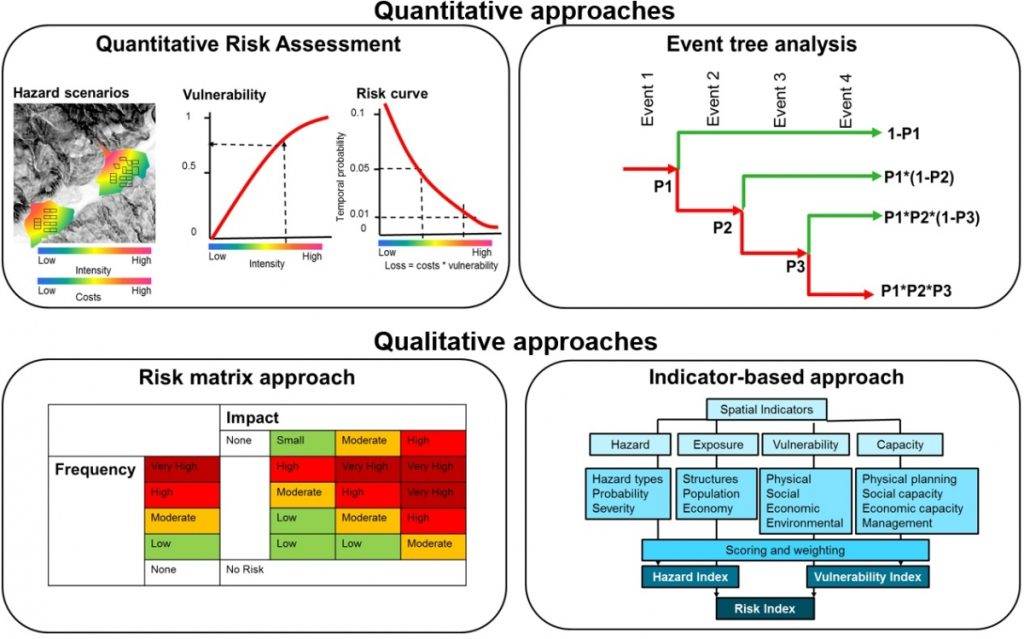
Consequence modeling helps industries proactively manage risk by:
-
Predicting event outcomes before they occur
-
Supporting emergency response planning and mitigation strategies
-
Evaluating existing safety systems and identifying gaps
-
Informing design decisions like facility layout and protective barriers
-
Enhancing regulatory compliance with OSHA, EPA, and other standards
-
Protecting communities and the environment from industrial hazards
By using scientifically validated models, companies can make data-driven decisions that improve safety, reduce risk, and demonstrate due diligence.

How Is Consequence Modeling Conducted?
Implementing consequence modeling involves a step-by-step approach:
-
Scenario Identification
Identify credible hazard scenarios, such as gas releases, fires, or explosions. -
Data Collection
Gather material properties, process conditions, and site-specific details. -
Model Selection
Choose appropriate models—e.g., dispersion, explosion, fire radiation, or toxicity models. -
Parameter Definition
Input conditions such as weather, terrain, release quantity, and temperature. -
Simulation Execution
Run simulations using modeling tools (e.g., PHAST, ALOHA, or FLACS) to assess impact areas. -
Impact Assessment
Analyze results like toxic plume radius, overpressure zones, and thermal radiation extent. -
Evaluate Safety Measures
Determine the effectiveness of current safety systems and identify improvement areas. -
Emergency Response Planning
Use findings to refine evacuation plans, firefighting strategies, and response protocols. -
Compliance Check
Ensure modeling aligns with industry regulations and safety standards. -
Documentation & Reporting
Maintain clear records for audits, stakeholder communication, and future reference. -
Review & Update
Regularly update models based on process changes, new data, or updated regulations. -
Training & Awareness
Educate staff on scenario outcomes, safety procedures, and risk awareness.
Why Perform Consequence Modeling?
Performing consequence modeling is essential for:
-
Understanding worst-case scenarios and planning for them
-
Improving facility design and operational safety measures
-
Enhancing community and employee safety
-
Supporting process safety management (PSM) programs
-
Meeting environmental and safety compliance requirements
-
Reducing the likelihood and severity of catastrophic events
Why Choose Prime Process Safety Center
We bring deep expertise in Consequence Modeling to help you assess and manage the risks of chemical spills, fires, explosions, and other hazardous events. Here’s what sets us apart:
-
Specialized Knowledge: Extensive experience in hazard identification and analysis tailored to the process industry.
-
Advanced Tools: Use of leading-edge modeling software to simulate real-world consequences with precision.
-
Customized Solutions: Models built around your specific operations and risk profile.
-
Thorough Risk Evaluation: Comprehensive assessments across multiple failure scenarios.
-
Data-Driven Results: Quantitative insights to guide safety decisions and planning.
-
Regulatory Alignment: Support for meeting OSHA, EPA, and other industry requirements.
-
Actionable Insights: Clear, easy-to-understand results to inform emergency planning and stakeholder communication.
-
Ongoing Support: Continued assistance to apply findings effectively.
-
Training Available: Optional sessions to help your team better understand and respond to hazard scenarios.

FAQ
Consequence Modeling is a method used in the process industry to predict the effects of potential hazardous events, like chemical spills, explosions, or fires, on people, property, and the environment. It's important for understanding the potential impacts of hazardous events, aiding in risk assessment, emergency planning, and ensuring the safety of personnel and the surrounding community. Consequence Modeling can analyze various hazards, including toxic gas releases, flammable gas cloud explosions, fires, and chemical spills. It helps identify and quantify the potential impacts of hazardous events, enabling the development of effective safety measures and emergency response strategies. Key steps include identifying potential hazardous scenarios, selecting appropriate models, setting parameters, running simulations, and analyzing results. While it can't predict exact outcomes, it provides valuable estimations of potential impacts, helping in proactive safety planning and risk mitigation. Various software tools and mathematical models are used, depending on the nature of the hazards and the complexity of the scenarios. A multidisciplinary team including safety engineers, process engineers, and environmental specialists should be involved for comprehensive analysis. It provides data on potential impact areas and severity, aiding in developing targeted evacuation plans and emergency response strategies. Challenges include ensuring accurate data input, selecting appropriate models, and interpreting results in the context of complex industrial processes. Consequence Modeling is deterministic: it evaluates the physical intensity and spatial footprint of an incident (thermal radiation, explosion overpressure, toxic vapor dispersion) assuming the failure has occurred. QRA combines those consequence calculations with scenario failure rates, event tree probabilities, wind distributions, and ignition likelihood to measure overall risk to personnel. Assessments typically measure downwind travel against Acute Exposure Guideline Levels (AEGL), Emergency Response Planning Guidelines (ERPG), or Immediately Dangerous to Life or Health (IDLH) concentrations. For community impact studies under EPA RMP, AEGL-2 or ERPG-2 concentrations for a 60-minute exposure are standard benchmarks. Accurate evaluations require piping and instrumentation diagrams (P&IDs), chemical stream compositions, process operating temperatures and pressures, storage inventories, vessel geometries, relief valve setpoints, site plot plans, and historical local meteorological records. Yes. Modeling early in the front-end engineering design (FEED) phase identifies exact blast radii and thermal zones before concrete is poured. This prevents expensive over-engineering of structural walls, optimizes equipment spacing, and avoids unnecessary fireproofing or blast-rated cladding on low-exposure buildings.1. What is Consequence Modeling?
2. Why is Consequence Modeling important in the process industry?
3. What types of hazards can be analyzed through Consequence Modeling?
4. How does Consequence Modeling contribute to safety?
5. What are the key steps in Consequence Modeling?
6. Can Consequence Modeling predict the exact outcome of an incident?
7. What tools are used in Consequence Modeling?
8. Who should be involved in Consequence Modeling?
9. How is Consequence Modeling used in emergency response planning?
10. What are the challenges in Consequence Modeling?
11. How does Consequence Modeling differ from a Quantitative Risk Assessment (QRA)?
12. Which physical endpoint criteria are commonly used for toxic vapor dispersion?
13. What specific input data does Prime Process Safety Center need to build a model?
14. Can Consequence Modeling help reduce capital costs during plant design?
Related Blogs
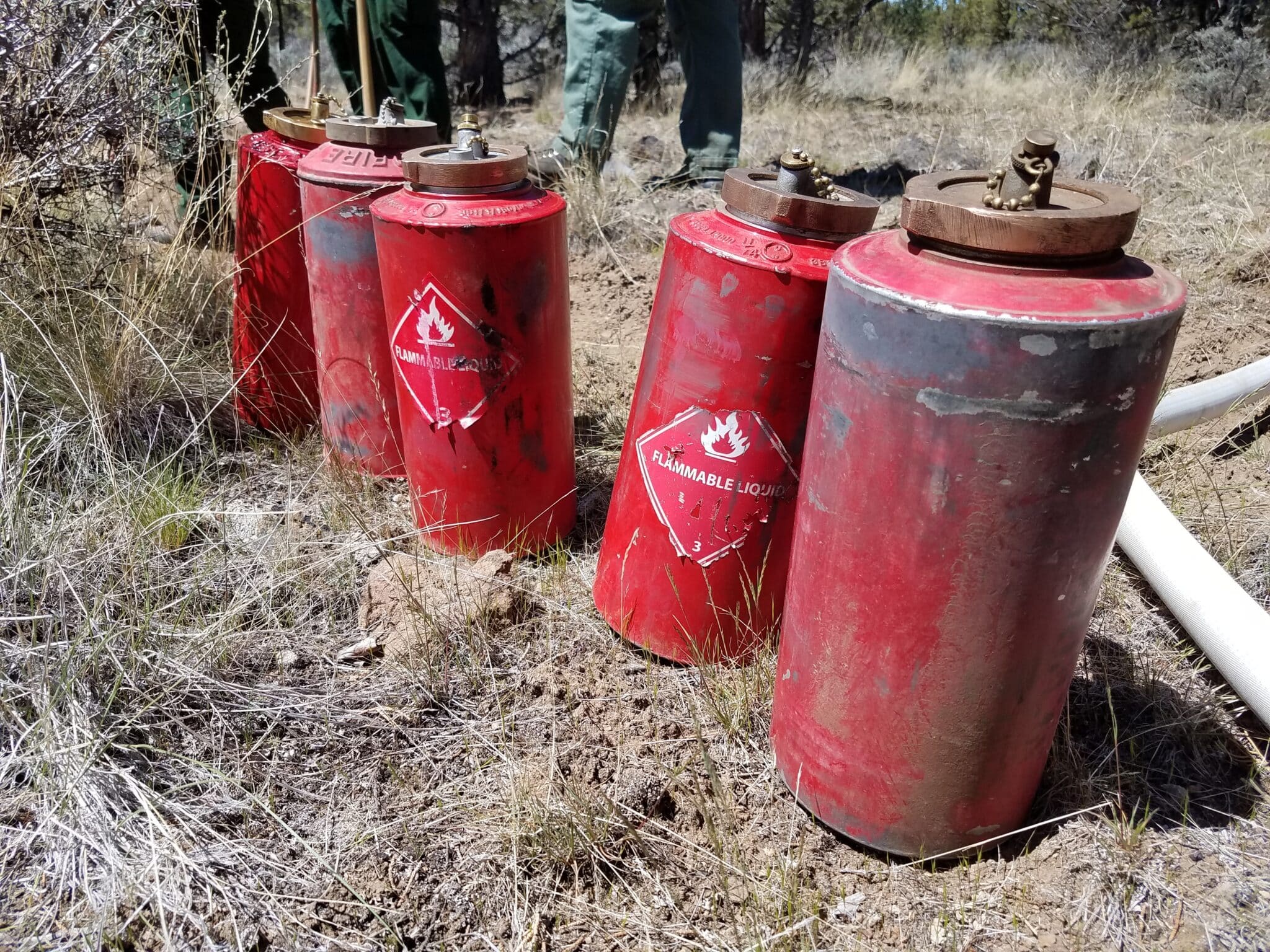
Flammable vs Combustible Liquids: What Sets Them Apart
Learn how flash point separates flammable and combustible liquids and what it means for safe storage and handling.

How Static Electricity Can Cause Fires in Your Facility
Learn how electrostatic charge buildup can create sparks that ignite flammable vapors, gases, and combustible dust in industrial operations.
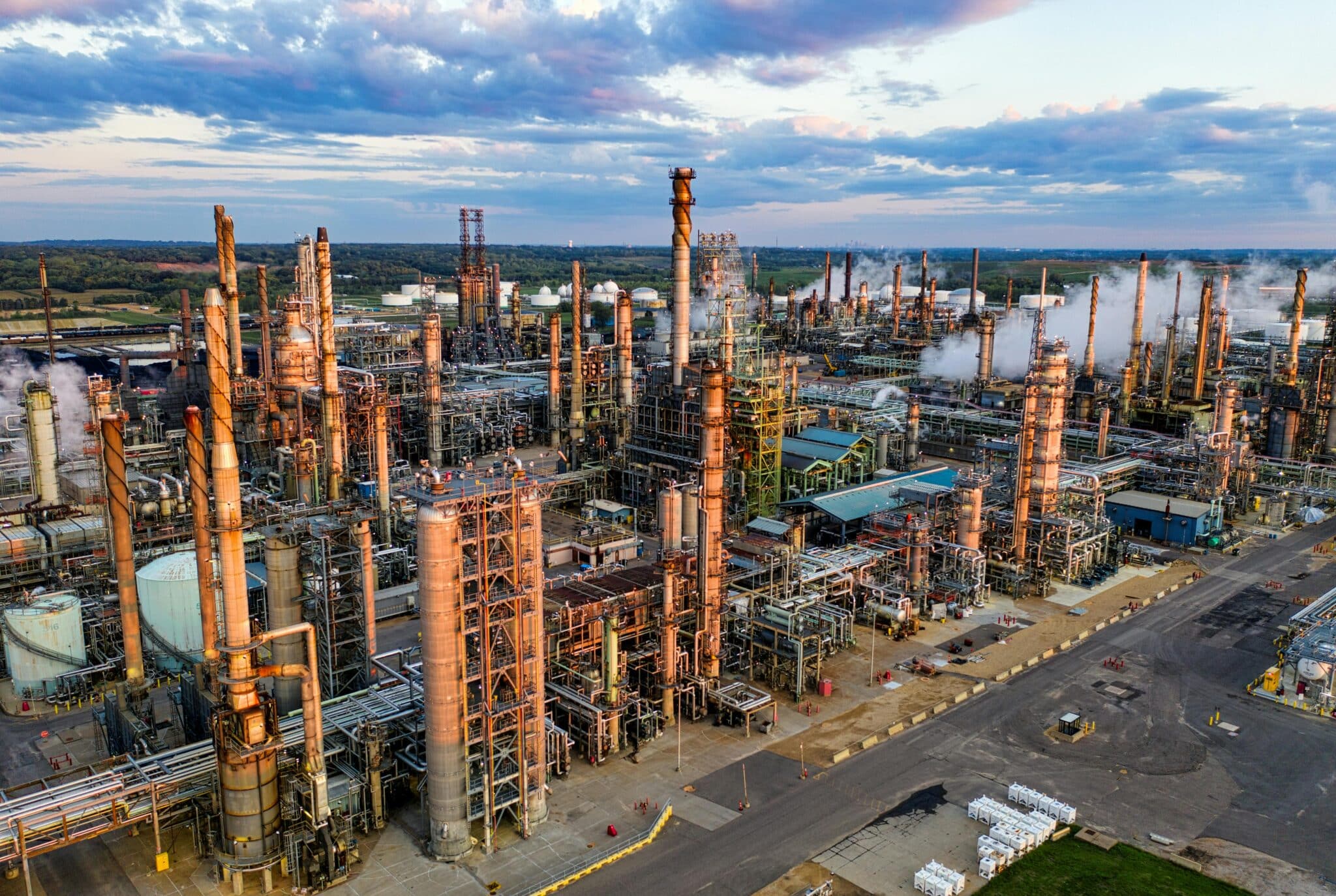
Effective Process Hazard Analysis for Hazard Recognition
Learn how Process Hazard Analysis reduces industrial risk, meets OSHA requirements, and follows key process hazard analysis steps.
Webinar: Electrostatic Hazard Assessment: Prevention, Protection, and Best Practices
Join our webinar with Dr. Emmanuel Kwasi Addai to learn how to control electrostatic hazards in industrial processes and prevent fires.
Combustible Dust Hazard: Explosion Protection Strategies
Explosion protection strategies for combustible dust hazard, including containment, venting, and suppression per NFPA standards.

Mitigating Dust Hazards in Grain Handling Facilities
Learn how to manage dust explosion hazards in grain handling industries with key causes, regulations, and mitigation strategies.
Understanding Combustible Dust Fires and Explosions in Pharmaceutical Industry
Identify and mitigate combustible dust risks in pharmaceutical industry. Explore dust sources, hazards, safety controls, and compliance.
DHA Revalidation: NFPA 660’s Five-Year Rule Explained
Learn about dust hazard analysis revalidation in NFPA 660. Explore key changes, compliance tips, and industry guidelines for dust safety.
Understand the Basics of Self-Heating / Thermal Instability Testing
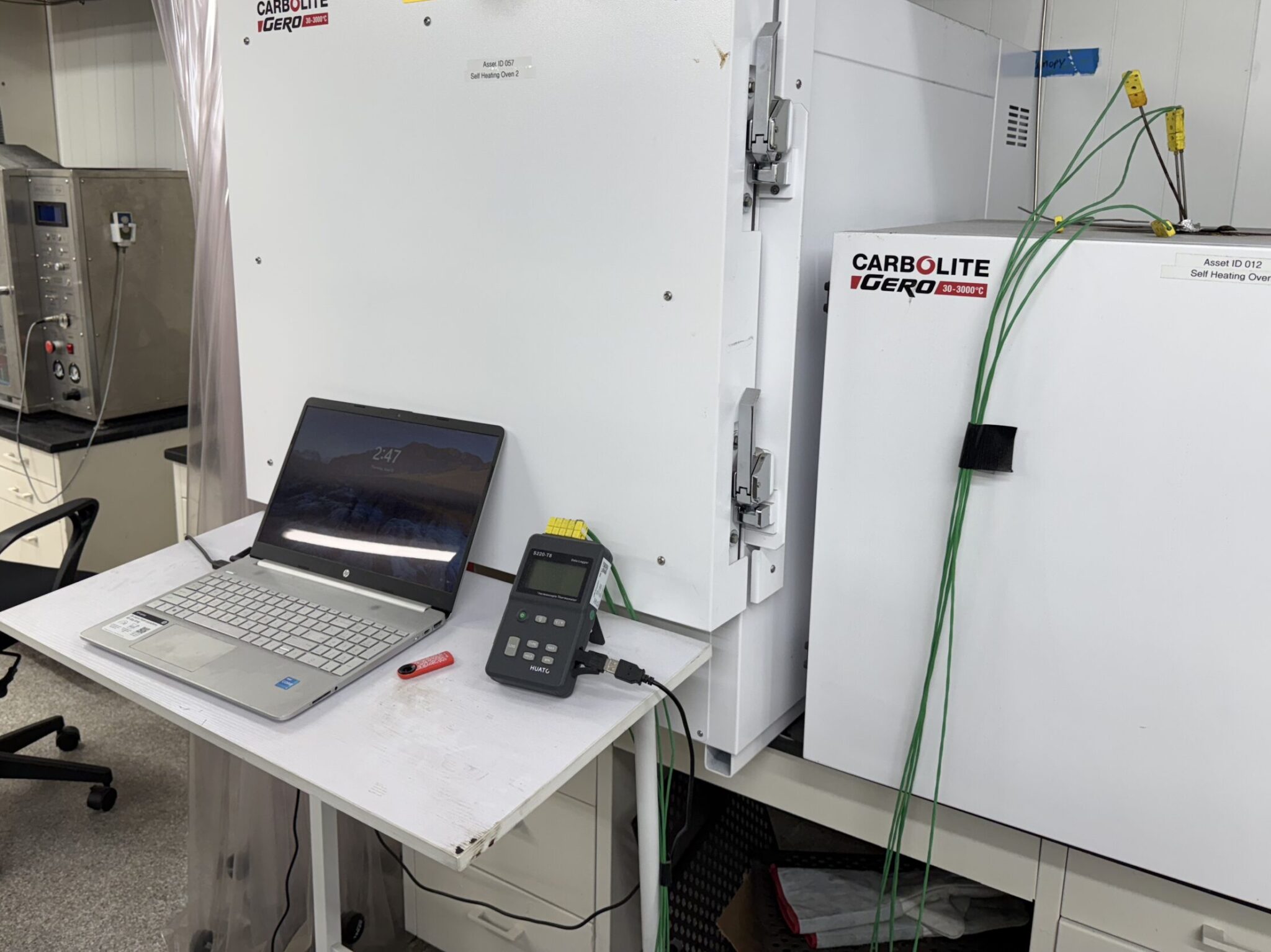
Basics of Self-Heating / Thermal Instability Testing: Key powder tests to identify fire risks and ensure safe handling and storage.
Types of Gas and Vapor Flammability Tests
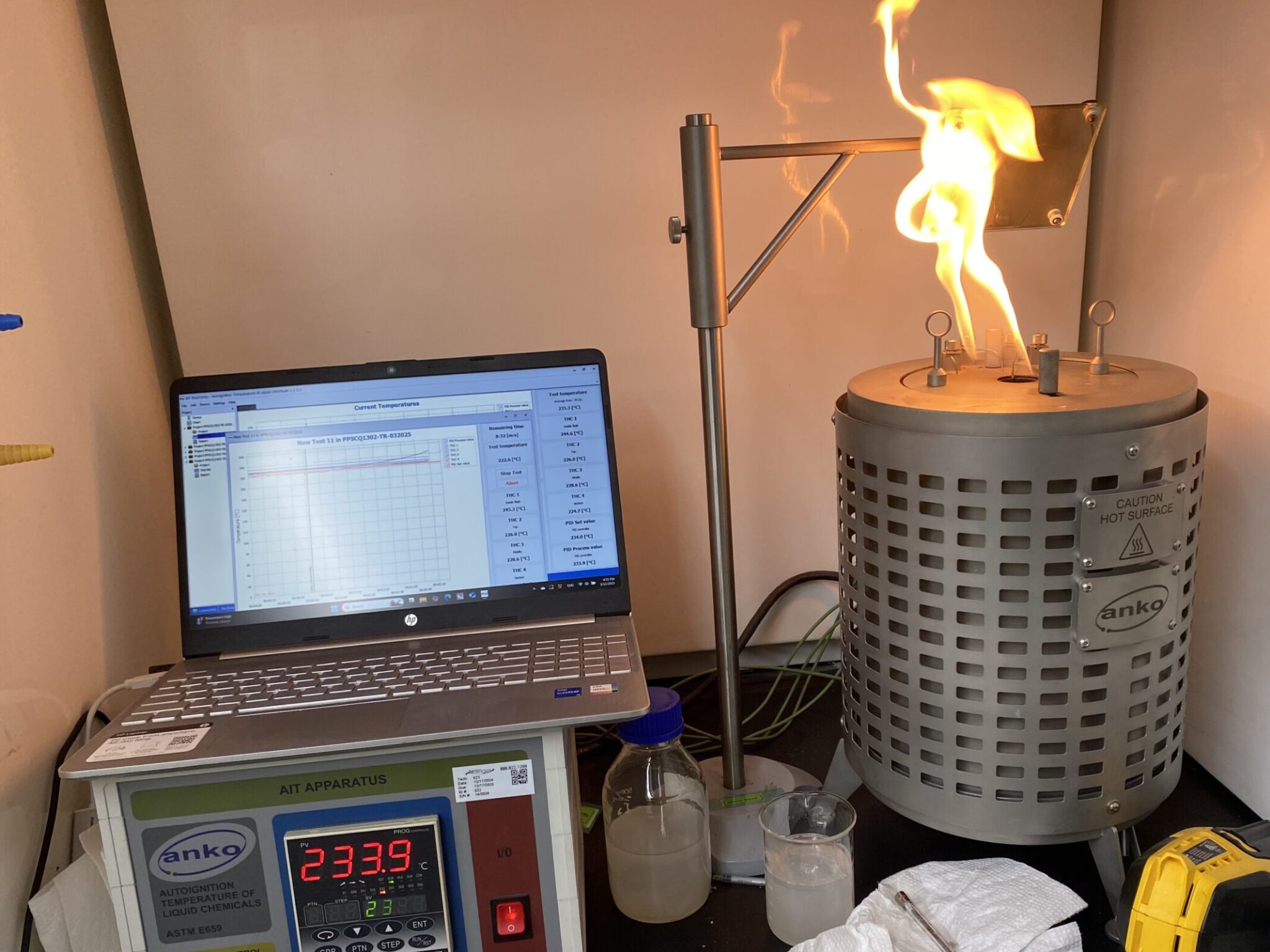
Explore the fundamentals of gas and vapor flammability testing and its role in ensuring safety in flammable gas handling industries.

A Complete Guide to Electrostatic Discharge Testing
A practical guide to electrostatic testing that helps manage static risks, protect products, and ensure safety and regulatory compliance.

Process Safety Engineering Explained: Protecting Facilities from Hazards
Protect industrial facilities by understanding how process safety engineering prevents fires, explosions, and hazardous chemical releases.