

Introduction
The metal industry involves handling, processing, and fabricating a wide range of metallic materials. While these operations are essential for manufacturing critical products, they can generate combustible metal dust, creating serious fire and explosion hazards. Understanding and managing these risks is crucial for metal dust explosion prevention, protecting workers, equipment, and ensuring uninterrupted operations.
This article explores the sources, properties, mitigation strategies, and regulatory considerations for combustible metal dust in industrial facilities, providing practical guidance for maintaining a safe work environment.

Common Sources of Combustible Dust in Metal Processing Facilities
Metal processing facilities—such as foundries, machining shops, and recycling plants—often generate combustible metal dust, which poses serious fire and explosion hazards. Identifying common sources of dust is critical for effective metal dust explosion prevention and safe dust management.
Key Sources of Combustible Metal Dust:
-
Metal Processing Operations: Cutting, grinding, polishing, and machining produce fine metal particles that settle on surfaces, equipment, and vents, increasing ignition risk.
-
Welding & Thermal Cutting: Sparks, slag, and metal oxides can ignite accumulated dust on equipment.
-
Powder Handling: Conveying, mixing, and processing metal powders in 3D printing or powder metallurgy can form explosive dust clouds.
-
Coatings & Finishes: Sanding or spraying metal coatings or paints generates dust with metallic pigments or flammable solvents.
-
Casting & Foundry Work: Mold creation, shakeout, and pouring metal release combustible dust.
-
Metal Finishing: Buffing, polishing, and abrasive blasting produce fine metal and media dust.
-
Recycling Operations: Shredding, crushing, and sorting scrap metal release airborne dust.
-
Smelting & Refining: Heating, melting, and purifying metals generate hazardous dust and fumes.
-
Additive Manufacturing: Handling powders and printing metal parts layer by layer creates fine combustible dust.
-
Surface Preparation: Shot blasting and chemical etching generate dust and fumes from treated metal surfaces.
-
Material Handling: Conveyors, bulk loading, and unloading of metal materials release dust into the air.
By identifying these sources, facilities can implement targeted dust control measures to reduce accumulation, prevent ignition, and protect workers and equipment.
Characteristics of Combustible Metal Dusts
Combustible metal dust exhibits properties that directly affect its ignition potential and explosion risk. Understanding these characteristics is essential for effective metal dust explosion prevention.
Key Characteristics:
-
Particle Size Distribution: Finer metal dust particles have a higher surface area-to-volume ratio, making them more prone to ignition and rapid combustion.
-
Chemical Composition: Different metals and alloys have varying ignition and combustion properties. Highly reactive metals, such as aluminum and magnesium, can ignite spontaneously in air.
-
Moisture Content: Dry metal dust is more combustible, while moisture-laden dust may reduce ignition sensitivity under certain conditions.
-
Surface Contamination: Oils, greases, or other organic residues on dust particles can lower ignition temperatures and increase sensitivity to sparks or flames.
Understanding these characteristics helps facilities implement targeted controls, reduce combustible dust accumulation, and improve explosion prevention strategies.
Mitigating Combustible Dust Hazards in the Metal Industry
Effective metal dust explosion prevention requires a comprehensive approach that combines engineering controls, housekeeping, training, and hazard assessment.
Engineering Controls
Implement engineering solutions to minimize the generation, dispersion, and accumulation of combustible metal dust:
-
Enclosure & Ventilation: Enclose equipment and use local exhaust systems to capture dust at the source.
-
Dust Collection: Install dust collectors with proper filters to prevent dust from spreading.
-
Explosion Protection: Use vent panels or suppression systems to control pressure and mitigate explosions.
Housekeeping Practices
Robust housekeeping reduces combustible dust accumulation and fire hazards:
-
Regular Cleaning: Routinely clean surfaces, equipment, and ventilation systems.
-
Spill Response Procedures: Quickly address dust spills and leaks to prevent ignition risks.
-
Waste Management: Dispose of collected dust safely and in compliance with regulations.
Training and Education
Equip personnel with the knowledge to handle combustible metal dust safely:
-
Hazard Recognition: Identify fire, explosion, and health risks.
-
Safe Handling: Learn proper handling, storage, and disposal practices.
-
Emergency Response: Conduct drills for dust-related incidents, including evacuation and firefighting procedures.
Hazard Assessment and Risk Management
Assess and manage combustible dust hazards through structured analysis:
-
Dust Hazard Analysis (DHA): Identify dust hazards, evaluate their severity, and implement mitigation measures.
-
Job Hazard Analysis (JHA): Evaluate tasks involving metal dust to identify potential risks.
-
Risk Management Strategies: Prioritize hazards and implement controls, administrative procedures, or process modifications.
By combining these strategies, facilities can significantly reduce combustible metal dust accumulation, enhance safety, and strengthen metal dust explosion prevention efforts.
Regulatory Considerations and Compliance
Ensuring metal dust explosion prevention requires compliance with key U.S. regulatory standards that govern combustible metal dust hazards. Proper adherence protects workers, facilities, and operations.
OSHA Combustible Dust Standard (29 CFR 1910.307):
This standard establishes requirements for managing combustible dust in general industry, including metal processing operations. It covers:
-
Dust hazard assessments
-
Equipment design and ventilation
-
Employee training
NFPA Standards:
The National Fire Protection Association (NFPA) provides detailed guidance for combustible metal dust management:
-
NFPA 484: Standard for Combustible Metals
-
NFPA 652: Fundamentals of Combustible Dust
-
NFPA 654: Prevention of Fire and Dust Explosions from Combustible Particulate Solids
Adhering to these regulations and standards is critical for reducing combustible dust risks, maintaining compliance, and supporting effective metal dust explosion prevention programs.
Conclusion
Preventing metal dust explosions in the metal industry requires a proactive approach, combining hazard identification, risk assessment, and effective control measures. By understanding the sources, characteristics, and mitigation strategies for combustible metal dust, organizations can minimize fire and explosion risks and maintain a safe work environment. Compliance with OSHA and NFPA standards, coupled with ongoing training and continuous improvement, is essential for effective metal dust explosion prevention and operational safety.

Related Blogs
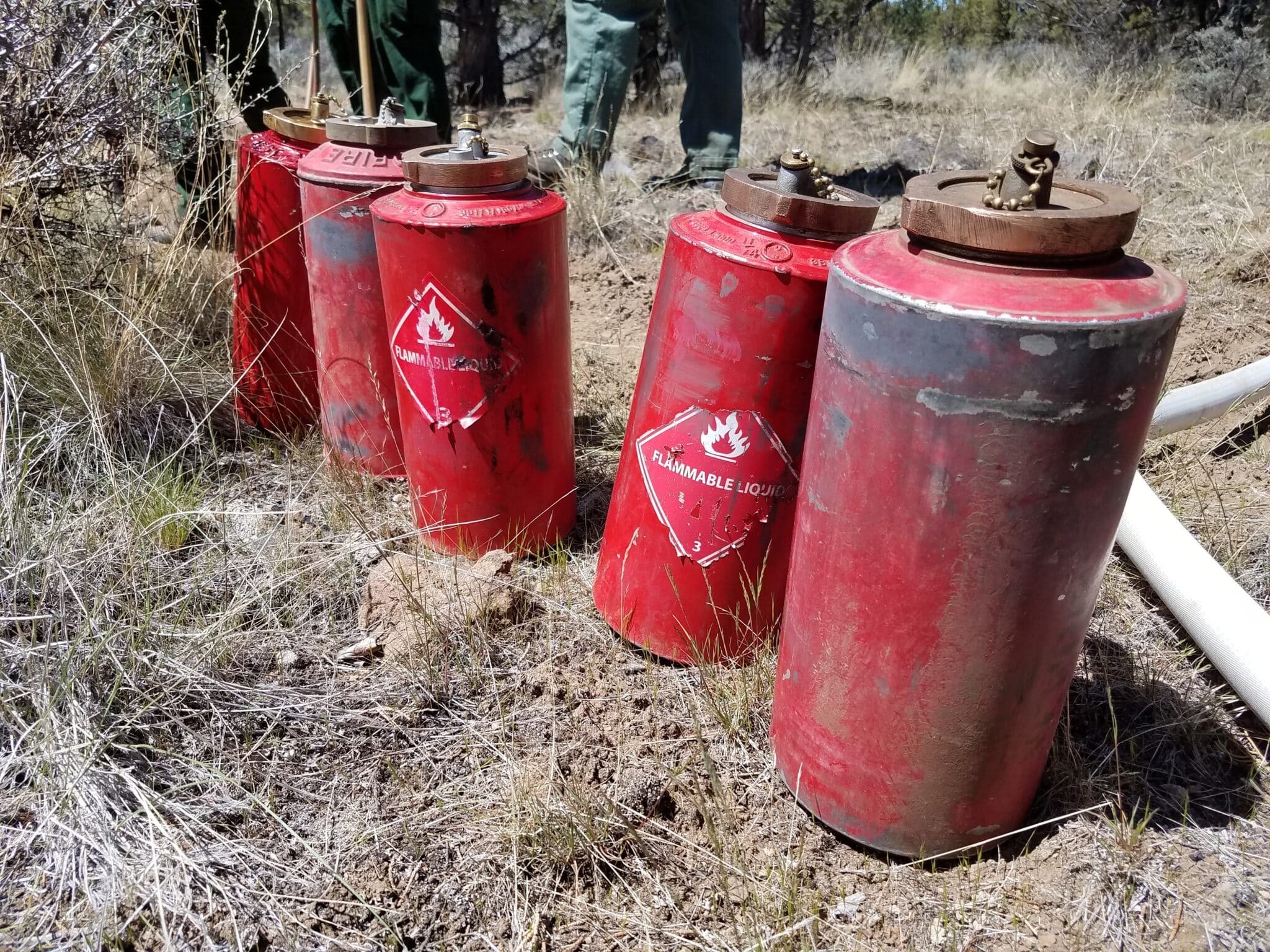
Flammable vs Combustible Liquids: What Sets Them Apart
Learn how flash point separates flammable and combustible liquids and what it means for safe storage and handling.

How Static Electricity Can Cause Fires in Your Facility
Learn how electrostatic charge buildup can create sparks that ignite flammable vapors, gases, and combustible dust in industrial operations.
Effective Process Hazard Analysis for Hazard Recognition
Learn how Process Hazard Analysis reduces industrial risk, meets OSHA requirements, and follows key process hazard analysis steps.

Join Our 5-Day On-Site Process Safety Training | Starts Oct 27
Join Prime Process Safety Center’s 5-day training on chemical hazards, dust, electrostatics, area classification, and PSM.

Webinar: Electrostatic Hazard Assessment: Prevention, Protection, and Best Practices
Join our webinar with Dr. Emmanuel Kwasi Addai to learn how to control electrostatic hazards in industrial processes and prevent fires.
How Combustible Dust Testing Supports a Defensible Dust Hazard Analysis(DHA)
Learn how combustible dust testing supports a defensible Dust Hazard Analysis and drives safer, data-driven decisions in your facility.
Combustible Dust Hazard: Explosion Protection Strategies
Explosion protection strategies for combustible dust hazard, including containment, venting, and suppression per NFPA standards.

Mitigating Dust Hazards in Grain Handling Facilities
Learn how to manage dust explosion hazards in grain handling industries with key causes, regulations, and mitigation strategies.
Conducting Hazardous Area Classifications: A Step-by-Step Guide for Safer Operations
Learn how conducting hazardous area classifications help identify explosive atmospheres, control ignition sources, and ensure regulatory compliance.

Understanding Combustible Dust Fires and Explosions in Pharmaceutical Industry
Identify and mitigate combustible dust risks in pharmaceutical industry. Explore dust sources, hazards, safety controls, and compliance.
Combustible Dust Hazard: Management of Ignition Sources
Learn how to manage ignition risks in combustible dust environments with strategies for grounding, equipment, and ventilation.
Understand the Basics of Self-Heating / Thermal Instability Testing
Basics of Self-Heating / Thermal Instability Testing: Key powder tests to identify fire risks and ensure safe handling and storage.