

The Role of Flash Point in Liquid Classification
Flammable and combustible liquids are two categories of substances that can catch fire, but they behave very differently under normal conditions. While the terms are often used interchangeably, the distinction is important for safety, storage, and handling. Understanding the difference between flammable and combustible liquids is essential for preventing process safety incidents, maintaining safe storage practices, and ensuring compliance with safety standards. At the heart of this difference lies a property known as flash point, which reflects how easily a liquid produces ignitable vapors.
Flash point distinguishes between flammable and combustible liquids. Flash point is defined as the minimum temperature of a liquid at which sufficient vapor is given off to form an ignitable mixture with the air.
Liquids with sufficiently low flash points can generate ignitable vapors under normal ambient conditions, whereas liquids with higher flash points require elevated temperatures before ignition becomes possible. Because flash point directly reflects ignition behavior, it is used by NFPA and OSHA as the primary criterion for classifying liquids as flammable or combustible.
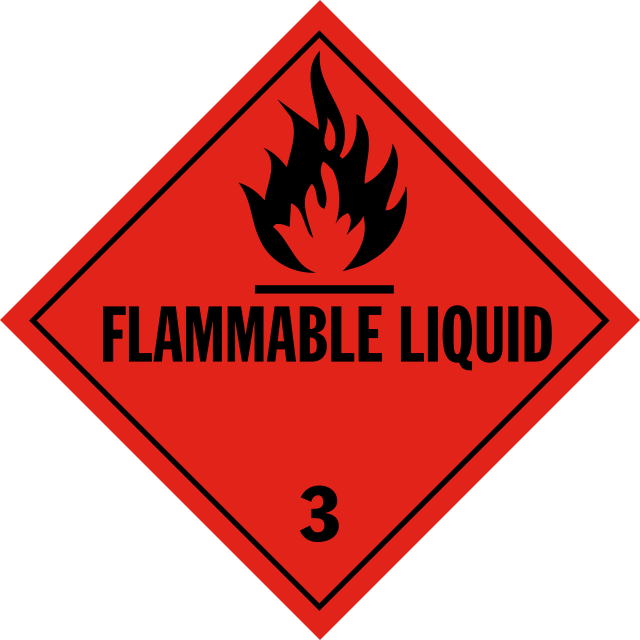
Definition of a Flammable Liquid
A flammable liquid is defined as a liquid with a flash point below 100°F (37.8°C) under OSHA and NFPA standards. At these low flash points, flammable liquids can readily form ignitable vapor-air mixtures at or near room temperature.
Common flammable liquids include gasoline, acetone, ethanol, and many light industrial or laboratory solvents. Their low flash point makes them especially susceptible to ignition from common sources such as sparks, open flames, or hot surfaces.
Definition of a Combustible Liquid
A combustible liquid is a liquid with a flash point at or above 100°F (37.8°C). Because these liquids require higher temperatures to produce ignitable vapors, they are generally less volatile than flammable liquids under normal ambient conditions.
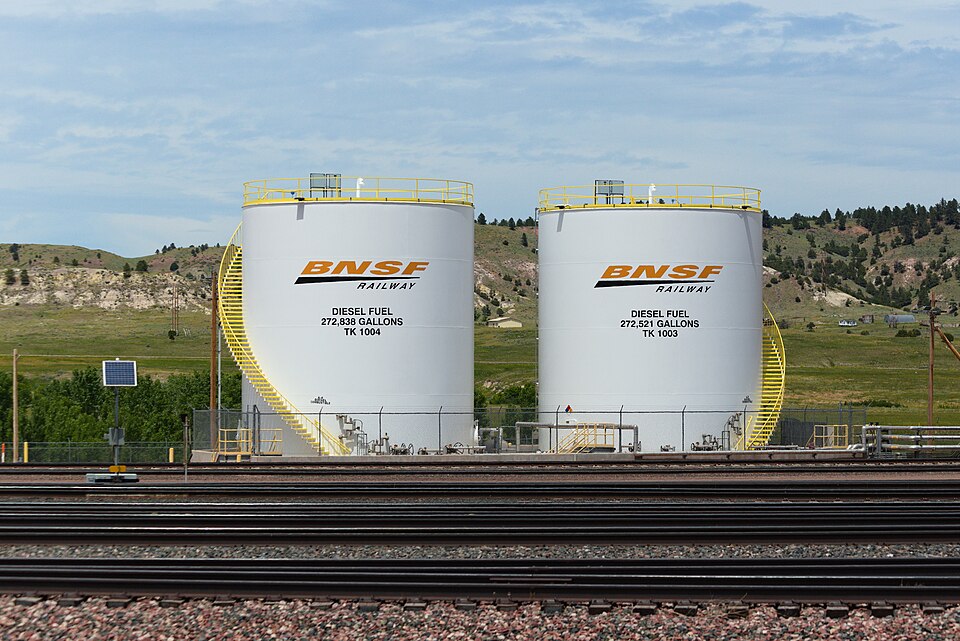
Examples of combustible liquids include diesel fuel, mineral oils, lubricants, and heavier industrial solvents. While less likely to ignite at room temperature, combustible liquids can still present a significant fire hazard when exposed to sufficient heat.

OSHA and NFPA Overview for Flammable and Combustible Liquids
OSHA and NFPA divide flammable and combustible liquids into classes based on flash point and, in some cases, boiling point. These classifications group liquids with similar ignition behavior and are used to establish storage, handling, and fire protection requirements.
Flammable Liquids (Class I)
Flammable liquids are classified as Class I liquids, which are subdivided into three categories:
- Class IA: Liquids with a flash point below 73°F (22.8°C) and a boiling point below 100°F (37.8°C).
- Class IB: Liquids with a flash point below 73°F (22.8°C) and a boiling point at or above 100°F (37.8°C).
- Class IC: Liquids with a flash point at or above 73°F (22.8°C) but below 100°F (37.8°C).
These subclasses reflect increasing flash point and decreasing volatility, while remaining within the flammable liquid category.
Combustible Liquids
Combustible liquids are divided into three classes based on higher flash point ranges:
- Class II: Liquids with a flash point at or above 100°F (37.8°C) but below 140°F (60°C).
- Class IIIA: Liquids with a flash point at or above 140°F (60°C) but below 200°F (93.3°C).
- Class IIIB: Liquids with a flash point at or above 200°F (93.3°C).
As flash point increases across these classes, the likelihood of ignition under normal ambient conditions decreases, though combustible liquids can still ignite when exposed to sufficient heat.
Why These Classes Exist
This classification system allows OSHA and NFPA to apply consistent safety requirements to liquids with similar ignition characteristics. Class boundaries influence storage limits, container types, ventilation needs, and fire protection measures, ensuring that controls are proportional to the level of fire risk.
How NFPA and OSHA Apply These Classifications
NFPA 30 and OSHA 29 CFR 1910.106 use these classifications as a foundation for determining engineering controls, administrative requirements, and safe operating limits. The standards focus less on the name of the liquid and more on how easily ignitable vapors can form under realistic facility conditions.
From a compliance and safety perspective, requirements typically address:
- Storage design, including container approval, cabinet construction, and separation distances
- Vapor control, such as ventilation and ignition source management
- Operational practices, including transfer, dispensing, and waste handling
- Loss prevention, covering spill containment and fire protection features
Rather than treating flammable and combustible liquids as interchangeable hazards, OSHA and NFPA recognize that increasing flash point reduces, but does not eliminate, fire risk. As a result, higher-class liquids may still require controls when heated, sprayed, or used in confined or poorly ventilated areas.
Common Misconceptions About Flammable and Combustible Liquids
Even liquids that seem harmless can pose significant fire risks. Many people assume that if a liquid isn’t labeled “flammable,” it is safe to handle without precautions. In reality, the risk depends on operating temperatures and the liquid’s relative volatility and flash point.
Here are some common misconceptions:
- “Class II and III liquids are not a concern indoors.”
Even liquids with higher flash points can ignite in indoor spaces without adequate ventilation. Facility design, temperature, and handling practices are all factors.
- “Only gasoline and solvents are dangerous.”
While gasoline and acetone are highly flammable, combustible liquids like xylene, mineral oil, or cleaning agents can also contribute to fires, especially when heated or confined.
- “Small amounts don’t matter.”
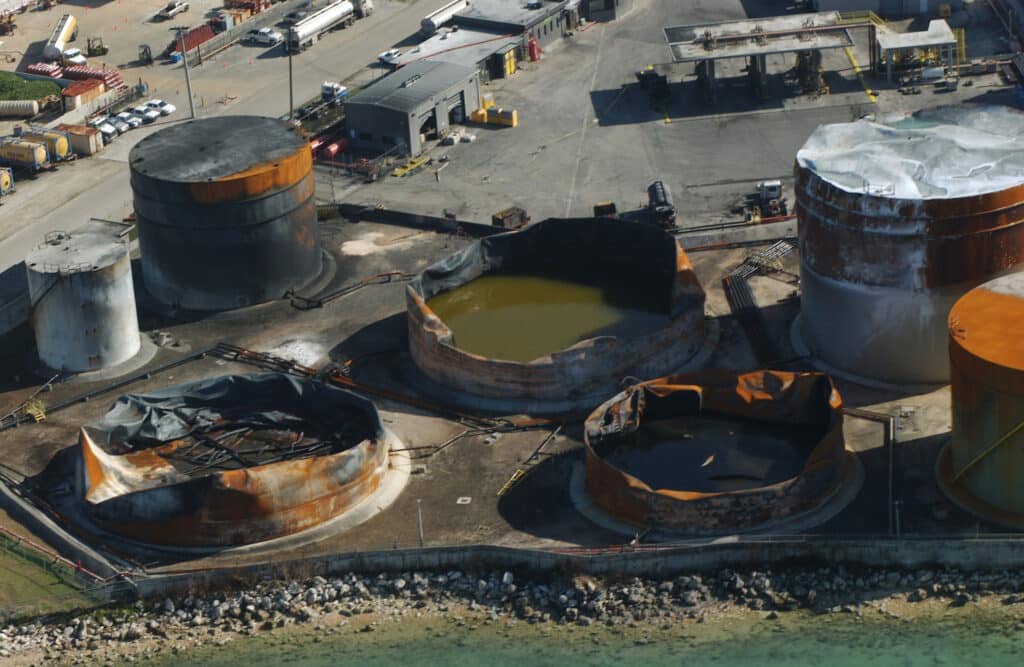
Even minor spills of combustible liquids can create vapor clouds with concentrations between LFL and UFL.
- “If it doesn’t smell strong, it’s safe.”
Lack of odor does not mean lack of hazard. Some combustible liquids produce vapors that are less noticeable but still capable of igniting.
Recognizing these misconceptions helps prevent complacency and encourages proper storage, handling, and spill response practices — even for liquids that are technically “less volatile.” Awareness is the first step toward reducing fire risk in everyday operations.
Flammable vs. Combustible Liquids in Real Facilities
Knowing which liquids fall into each category helps set the right expectations for storage, handling, and fire risk.
Common flammable liquids include:
- Gasoline
- Acetone
- Ethanol and isopropyl alcohol
- Paint thinners and light solvents
- Many laboratory and industrial cleaning chemicals
Common combustible liquids include:
- Diesel fuel and fuel oils
- Hydraulic and lubricating oils
- Heat transfer fluids and thermal oils
- Vegetable oils and animal fats
- Transformer and turbine oils
Why the Difference Matters
The difference between flammable and combustible liquids shapes how fire hazards should be evaluated and managed in real facilities. While classifications provide a useful framework, they do not replace an understanding of how liquids are stored, handled, and used during normal operations.
Many incidents occur not because a liquid was misclassified, but because its behavior under actual conditions was underestimated. Heat, transfer operations, misting, and confined spaces can all increase ignition risk, particularly for combustible liquids that are often assumed to be low-hazard.
Recognizing why these distinctions exist helps facilities move beyond labels and apply controls that reflect real-world conditions. This leads to more accurate hazard assessments, better-informed safety decisions, and more effective fire and explosion prevention across everyday operations.

Related Blogs

Common Gas and Vapor Explosion Scenarios in Industry
Understand the conditions that lead to gas and vapor explosions, common industrial scenarios, and how facilities can reduce the risk.
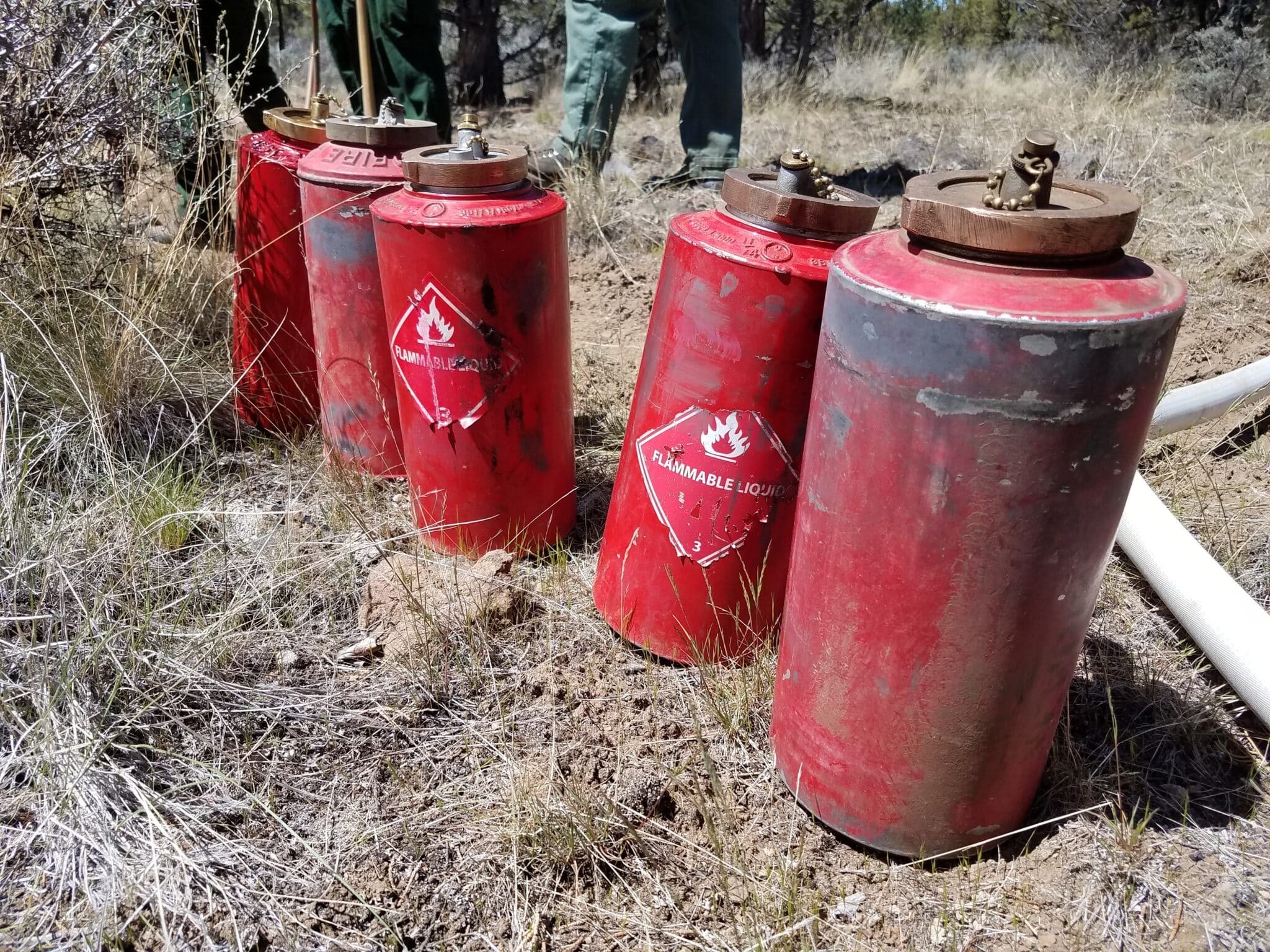
Flammable vs Combustible Liquids: What Sets Them Apart
Learn how flash point separates flammable and combustible liquids and what it means for safe storage and handling.

How Static Electricity Can Cause Fires in Your Facility
Learn how electrostatic charge buildup can create sparks that ignite flammable vapors, gases, and combustible dust in industrial operations.
Effective Process Hazard Analysis for Hazard Recognition
Learn how Process Hazard Analysis reduces industrial risk, meets OSHA requirements, and follows key process hazard analysis steps.

Join Our 5-Day On-Site Process Safety Training | Starts Oct 27
Join Prime Process Safety Center’s 5-day training on chemical hazards, dust, electrostatics, area classification, and PSM.
Webinar: Electrostatic Hazard Assessment: Prevention, Protection, and Best Practices
Join our webinar with Dr. Emmanuel Kwasi Addai to learn how to control electrostatic hazards in industrial processes and prevent fires.
Understanding Reactive Chemical Hazards: How Testing Supports Safer Processes
Learn how to identify and manage reactive chemical hazards with key testing methods and safety strategies for safer industrial processes.
How Combustible Dust Testing Supports a Defensible Dust Hazard Analysis(DHA)
Learn how combustible dust testing supports a defensible Dust Hazard Analysis and drives safer, data-driven decisions in your facility.
Combustible Dust Hazard: Explosion Protection Strategies
Explosion protection strategies for combustible dust hazard, including containment, venting, and suppression per NFPA standards.

Reactive Chemical Testing in the Pharmaceutical Industry: Ensuring Process Safety and Product Integrity
Explore how reactive chemical testing in the pharmaceutical industry ensures safety, compliance, and reliable scale-up.

Mitigating Dust Hazards in Grain Handling Facilities
Learn how to manage dust explosion hazards in grain handling industries with key causes, regulations, and mitigation strategies.
Conducting Hazardous Area Classifications: A Step-by-Step Guide for Safer Operations
Learn how conducting hazardous area classifications help identify explosive atmospheres, control ignition sources, and ensure regulatory compliance.