


How Static Electricity Is Produced
Static electricity is the accumulation of electrical charge on the surface of a material. In industrial settings, this charge refers to a buildup of electrostatic charge that remains in place rather than flowing continuously like an electrical current.
In industrial facilities, static electricity can be generated during normal operations whenever materials, equipment, or personnel interact. Common scenarios include:
- Liquid flow through pipes and filters – Transport of low-conductivity liquids such as xylene and hexane.
- Powder handling and pneumatic conveying – Flowing powders can accumulate static electricity, depending on the resistivity of the powder.
- Personnel movement – Walking on insulating floors or wearing insulating clothing can accumulate body electrostatic charge.
- Insulating containers, hoses, and liners – Materials that do not conduct electricity trap charges rather than letting them safely dissipate.
Proper grounding, bonding, and awareness are critical to prevent charge buildup from becoming a fire hazard.

From Electrostatic Charge to Electrostatic Spark
Static electricity typically develops when two materials come into contact and then separate, allowing electrons to transfer between surfaces. If the charge cannot dissipate to ground, it accumulates on equipment, containers, powders, liquids, or even personnel. Personnel can carry a significant charge, and when they touch grounded equipment, their body electrostatic charge can discharge, creating another potential ignition source.
Static electricity can be released suddenly as an electrostatic spark, creating a potential ignition source in a facility if not properly controlled. The spark occurs when the voltage difference between two surfaces becomes high enough to overcome the insulating properties of air. At this point, the air breaks down, allowing a brief but intense electrical discharge to jump between surfaces. Even a small spark could be sufficient to ignite many types of flammable vapors or combustible dusts.

How Electrostatic Sparks Can Cause Fires
Electrostatic sparks become dangerous when they come into contact with flammable vapors or gases, or combustible dusts, making them a frequent ignition pathway in industrial facilities.
Flammable gases, or vapors from flammable liquids, or combustible liquids above their flash points, can mix with air to form flammable atmospheres. Many solvents, fuels, and other volatile liquids have a very low minimum ignition energy (MIE), and when flammable concentrations are between the lower and upper flammable limits even a tiny spark can provide enough energy to ignite these vapor-air combinations, leading to fires. Certain operations are at particularly higher risk, including drum filling, tank loading, and solvent transfer.
Combustible dusts can also be ignited by electrostatic sparks when suspended in air. This can occur when the energy of the electrostatic spark is greater than minimum ignition energy (MIE) of the combustible dust, and can lead to fires provided sufficient oxygen and a dust cloud concentration above the minimum explosible concentration (MEC).
Environmental factors also influence the risk of fires from electrostatic sparks. Low humidity and insulating materials allow static charge to accumulate more easily, increasing the chance that a spark will form.
Reducing Fire Risk from Static Electricity
Controlling Body Electrostatic Charge
Personnel can carry a significant electrostatic charge that discharges when touching grounded equipment. Using grounding wrist straps, or static-dissipative footwear and non-insulating flooring, helps reduce this risk in work areas.
Bonding and Grounding
Proper bonding and grounding of equipment, containers, and conductive materials allows electrostatic charge to safely dissipate. This prevents accumulation that could otherwise lead to sparks.
Equipment and Operational Checks
Including verification of bonding and grounding, and resistance-to-ground measurements, in equipment inspections can also help limit charge buildup.
Use of Conductive and Static-Dissipative Materials
Selecting hoses, containers, and tools made from conductive or static-dissipative materials helps minimize charge buildup. These materials reduce the likelihood of localized sparks on surfaces that come into contact with flammable vapors or dust clouds.
Evaluating Static Hazards
Static electricity risks should be incorporated into Process Hazard Analyses (PHA), Dust Hazard Analyses (DHA), and electrostatics assessments. Evaluating how electrostatic charge can accumulate and discharge during normal operations helps identify conditions where sparks could ignite flammable vapors, gases, or combustible dusts. By identifying vulnerable equipment, operational steps, and potential personnel exposure, facilities can ensure that appropriate controls and safeguards are applied where they are most needed.

Related Blogs

Common Gas and Vapor Explosion Scenarios in Industry
Understand the conditions that lead to gas and vapor explosions, common industrial scenarios, and how facilities can reduce the risk.
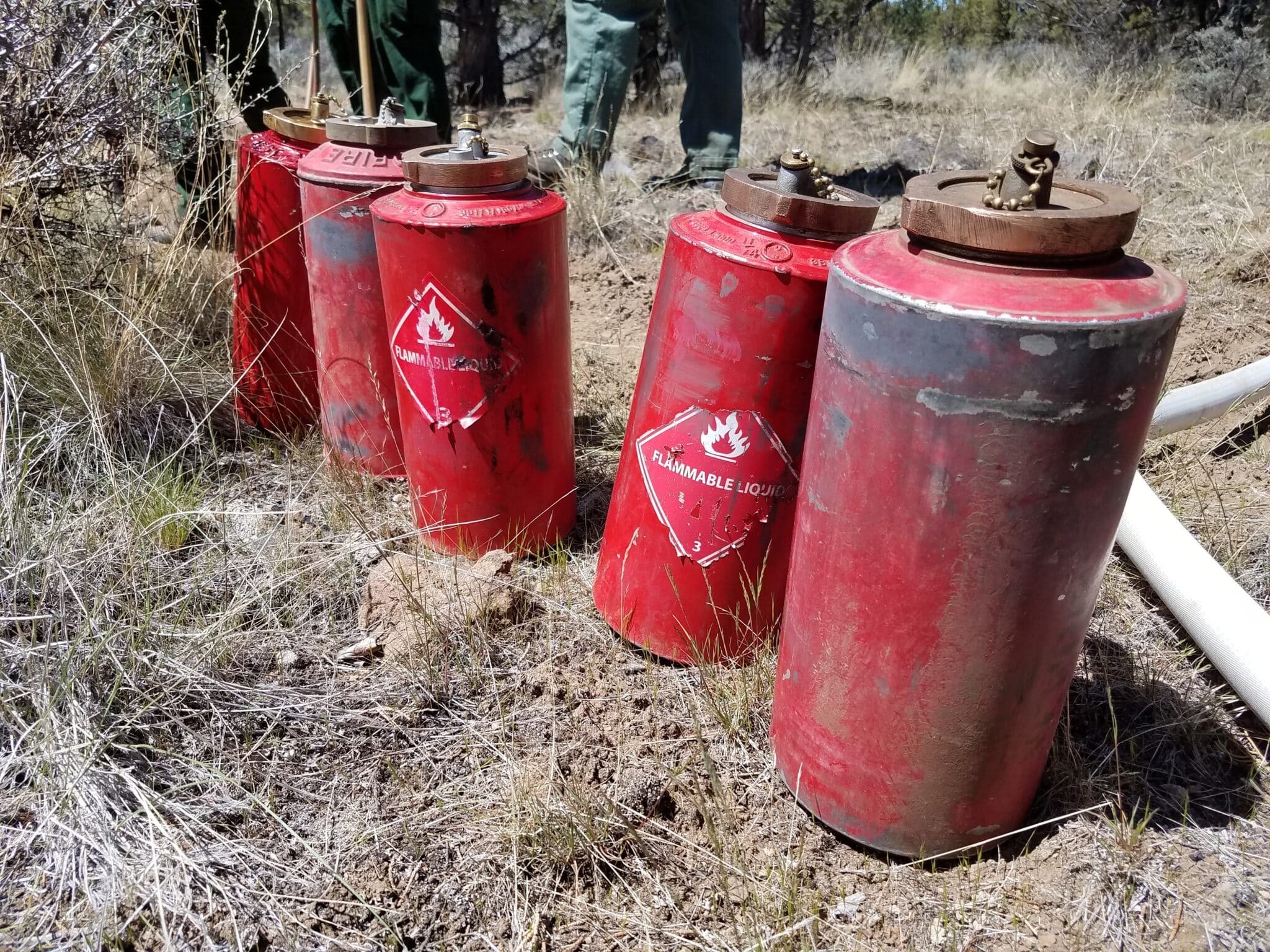
Flammable vs Combustible Liquids: What Sets Them Apart
Learn how flash point separates flammable and combustible liquids and what it means for safe storage and handling.

How Static Electricity Can Cause Fires in Your Facility
Learn how electrostatic charge buildup can create sparks that ignite flammable vapors, gases, and combustible dust in industrial operations.

Effective Process Hazard Analysis for Hazard Recognition
Learn how Process Hazard Analysis reduces industrial risk, meets OSHA requirements, and follows key process hazard analysis steps.

Join Our 5-Day On-Site Process Safety Training | Starts Oct 27
Join Prime Process Safety Center’s 5-day training on chemical hazards, dust, electrostatics, area classification, and PSM.
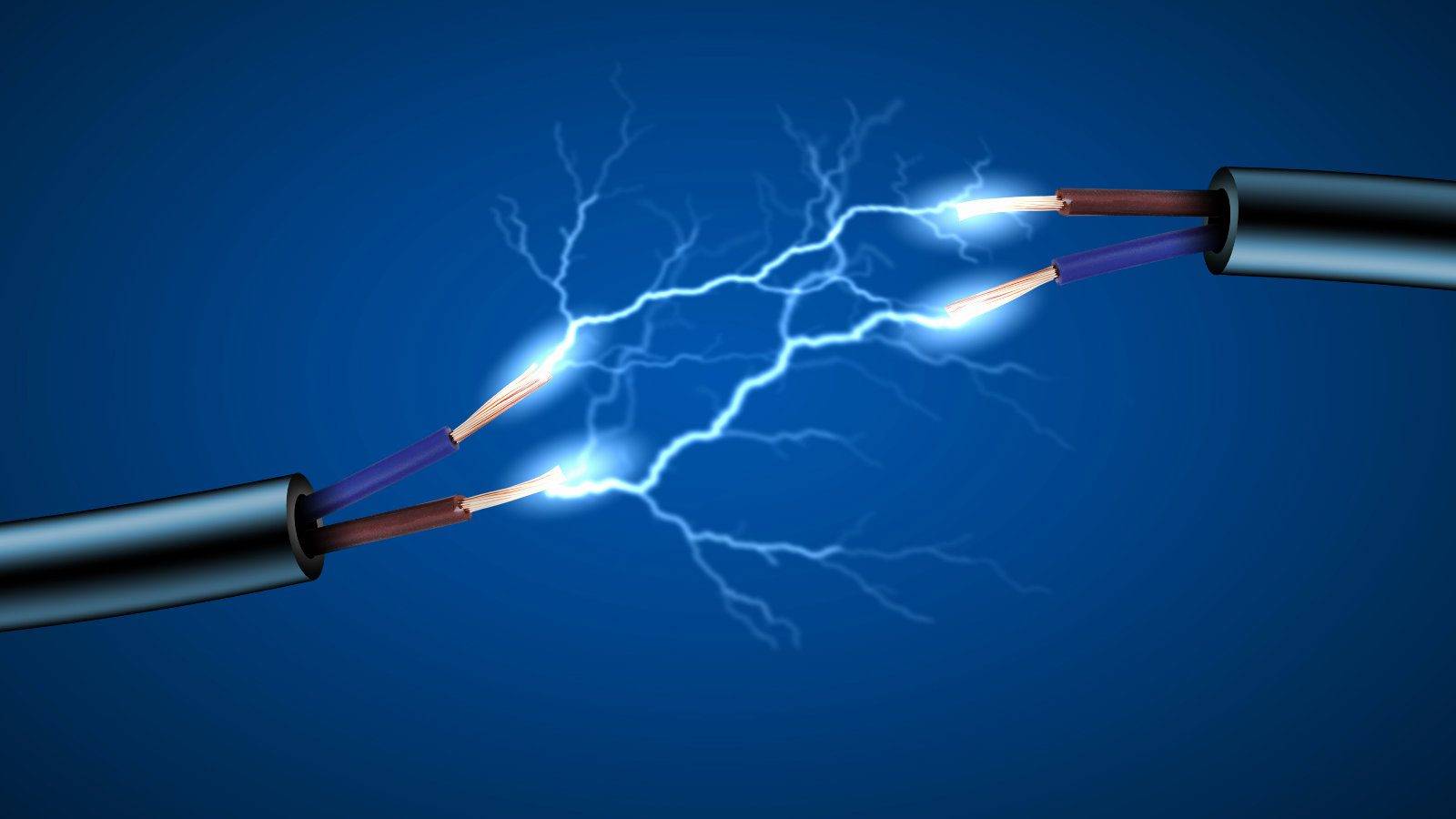
Webinar: Electrostatic Hazard Assessment: Prevention, Protection, and Best Practices
Join our webinar with Dr. Emmanuel Kwasi Addai to learn how to control electrostatic hazards in industrial processes and prevent fires.
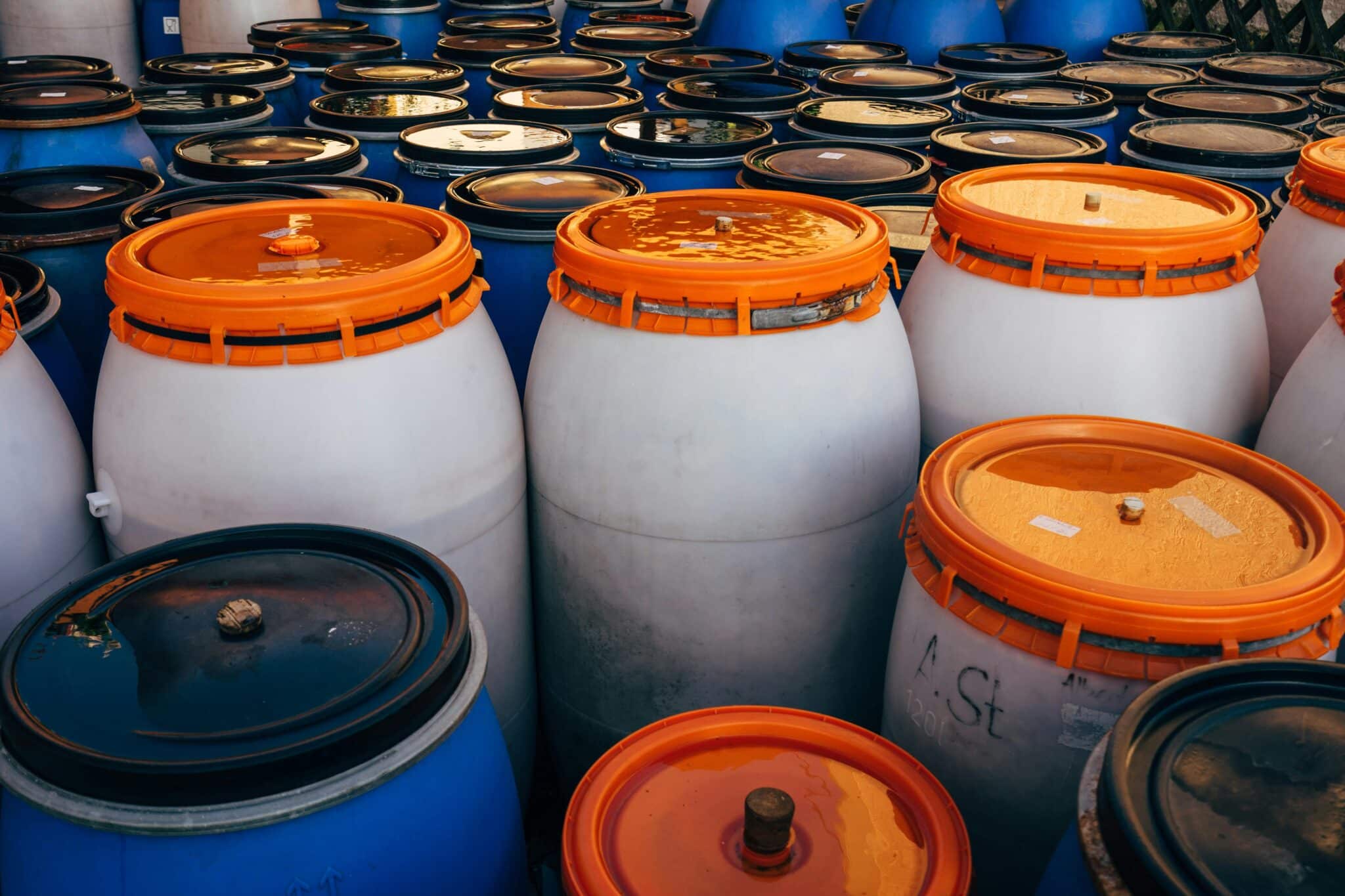
Understanding Reactive Chemical Hazards: How Testing Supports Safer Processes
Learn how to identify and manage reactive chemical hazards with key testing methods and safety strategies for safer industrial processes.
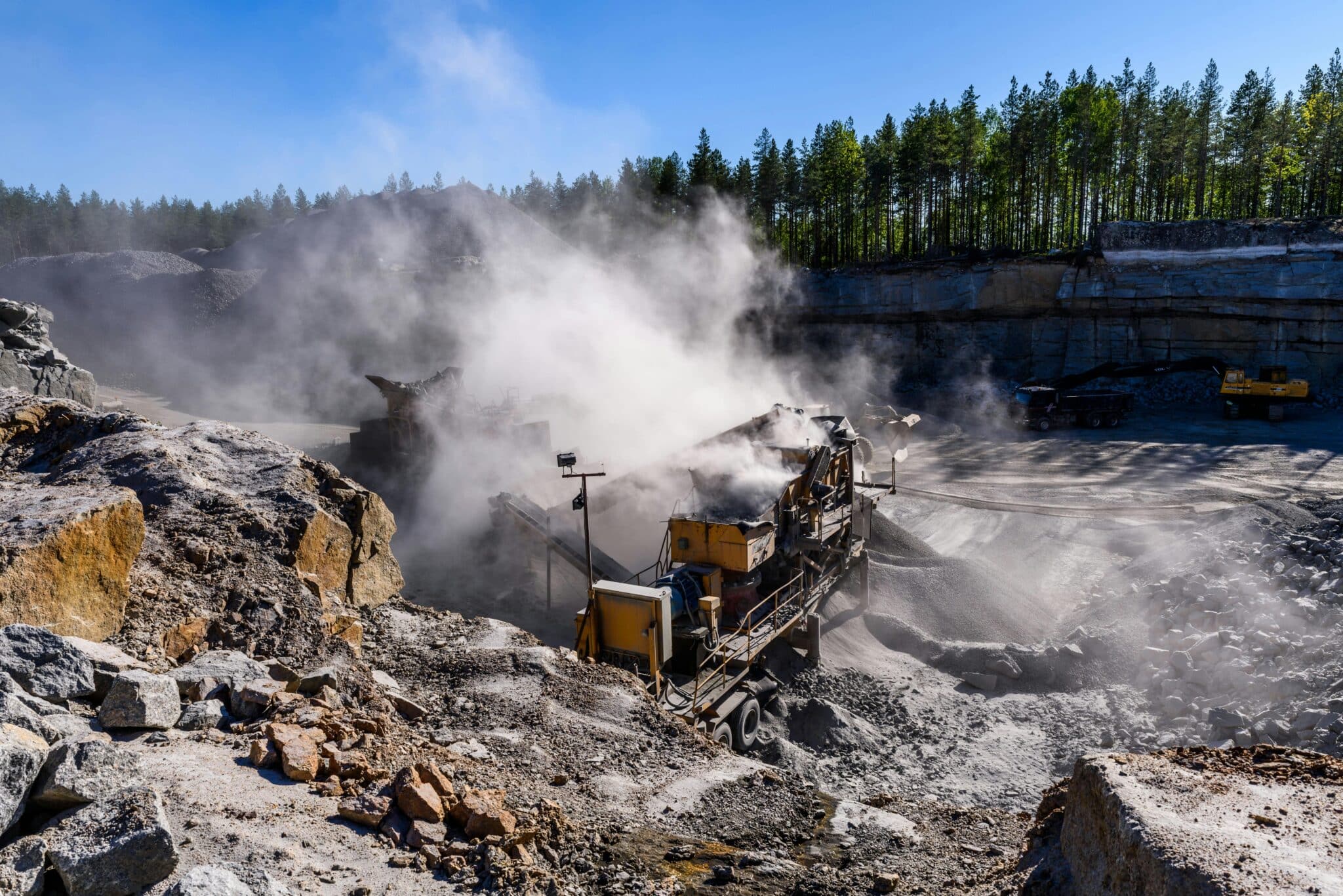
How Combustible Dust Testing Supports a Defensible Dust Hazard Analysis(DHA)
Learn how combustible dust testing supports a defensible Dust Hazard Analysis and drives safer, data-driven decisions in your facility.
Combustible Dust Hazard: Explosion Protection Strategies
Explosion protection strategies for combustible dust hazard, including containment, venting, and suppression per NFPA standards.

Reactive Chemical Testing in the Pharmaceutical Industry: Ensuring Process Safety and Product Integrity
Explore how reactive chemical testing in the pharmaceutical industry ensures safety, compliance, and reliable scale-up.

Mitigating Dust Hazards in Grain Handling Facilities
Learn how to manage dust explosion hazards in grain handling industries with key causes, regulations, and mitigation strategies.
Conducting Hazardous Area Classifications: A Step-by-Step Guide for Safer Operations
Learn how conducting hazardous area classifications help identify explosive atmospheres, control ignition sources, and ensure regulatory compliance.