
We also offer
Reactive chemical testing is essential for facilities handling thermally unstable or highly energetic materials. At Prime Process Safety Center, we evaluate the properties and behavior of reactive substances to identify potential hazards and support safe handling, storage, process design, and scale-up. Our goal is to help companies minimize process safety risks, prevent accidents, and ensure regulatory compliance while protecting personnel, the environment, and valuable assets.
Our Reactive Chemical Testing Capabilities
Using advanced laboratory instrumentation, we assess thermal stability, decomposition behavior, heat release, pressure generation, and runaway reaction potential. Our testing equipment includes:
- Differential Scanning Calorimetry (DSC)
- Differential Thermal Analysis (DTA)
- Thermogravimetric Analysis (TGA)
- Accelerating Rate Calorimetry (ARC)
- Reaction Calorimeters (mRC or RC-1)
- Vent Sizing Package II (VSP II)
Testing provides critical data including onset temperature, heat of reaction, adiabatic temperature rise, Time to Maximum Rate (TMR), and Maximum Temperature of the Synthesis Reaction (MTSR).
Why Reactive Chemical Testing Matters
This data helps your organization:
- Establish safe operating limits and temperature control strategies
- Design effective emergency relief systems using DIERS methodology
- Strengthen Process Hazard Analysis (PHA) with quantified hazard data — replacing assumptions with test-backed safety parameters.
- Support safe scale-up from laboratory to full production
- Reduce the risk of thermal runaway, over-pressurization, fire, and explosion
- Meet regulatory requirements under OSHA PSM and EPA RMP
When Should You Request Testing?
Reactive chemical testing is strongly recommended when:
- Introducing new raw materials or chemical formulations
- Scaling up a process from lab to pilot or production scale
- Modifying reaction conditions such as temperature, concentration, or pressure
- Designing or reviewing emergency pressure relief systems
- Conducting a Process Hazard Analysis (PHA) or Management of Change (MOC) review
- Handling substances with unknown or uncertain thermal behavior
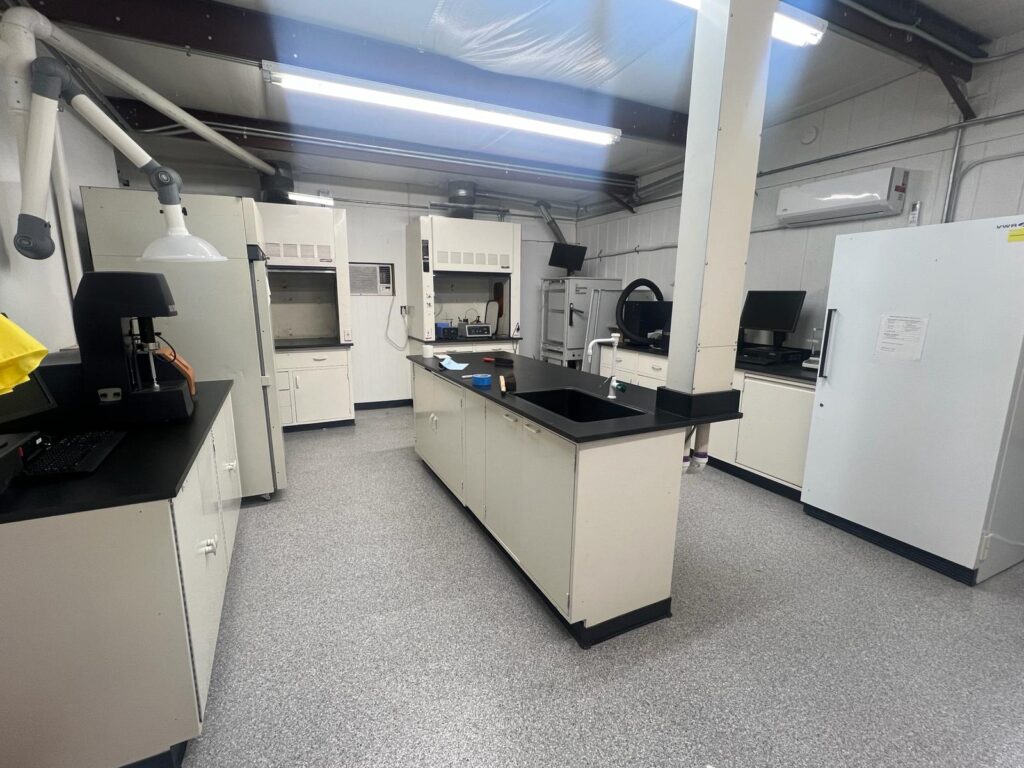
Process Safety Engineering Support
Beyond testing, our engineers translate results into practical safety recommendations aligned with your specific process conditions. This includes emergency relief vent sizing using DIERS technology, relief and effluent handling system design, and data-driven strategies to reduce chemical reaction hazards at scale.
Prime Process Safety Center combines state-of-the-art testing equipment with deep expertise in chemical reactivity to deliver accurate, reliable, and defensible data. Every client receives precise results and actionable solutions for safer, more compliant operations.