

We also offer
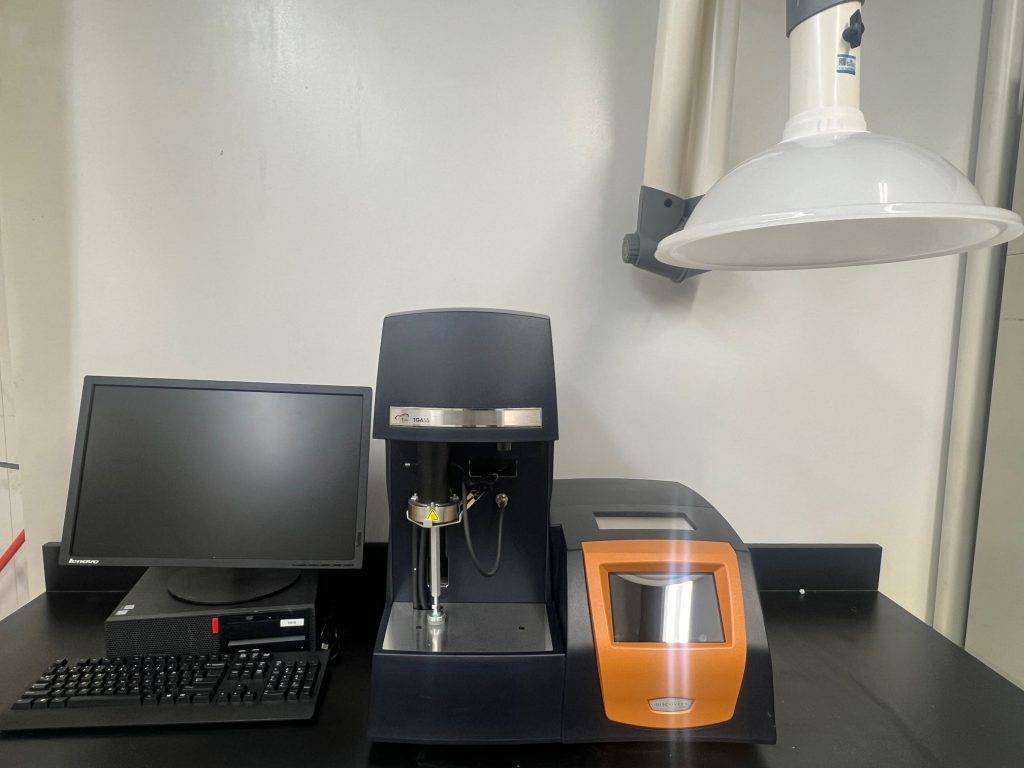
Prime Process Safety Center performs Thermogravimetric Analysis (TGA) testing on reactive chemicals, energetic materials, and process intermediates to identify thermal stability limits and decomposition behavior before they become operational hazards. Testing is performed across multiple atmospheres and pressure conditions in our in-house lab, with samples as small as 2–20 mg. Results are delivered in a written technical report with data interpretation and recommendations tailored to your material and process conditions.
What our Thermogravimetric Analysis (TGA) test delivers
A single Thermogravimetric Analysis (TGA) test generates the following data on your material:
Mass change vs. temperature — how much your material loses or gains weight at each stage of heating, revealing the temperature boundaries at which decomposition, volatilization, or oxidation begins.
Mass change vs. time — how quickly those changes occur under isothermal conditions, supporting decisions about safe processing durations and storage limits.
Decomposition and reaction kinetics — rate constants, activation energy, and reaction order derived from multiple heating rate runs, providing the quantitative basis for safe scale-up and process design.
Reactivity in air, oxygen, or inert atmospheres — by running tests under different gas environments, we distinguish oxidative degradation from pure thermal decomposition, identifying which failure mode is relevant to your actual process conditions.
Moisture, volatile, and compositional content — quantitative measurement of how much of your material is water, solvent, or other volatile components, and at what temperatures they are released.
These results are delivered in a written technical report with full data interpretation and recommendations specific to your material and process conditions. Where TGA results indicate significant decomposition activity or rapid mass loss, follow-up testing with Accelerating Rate Calorimetry (ARC) or Reaction Calorimetry may be warranted to characterize behavior under adiabatic or reaction conditions.

When to request Thermogravimetric Analysis (TGA) testing
TGA testing is the appropriate first step when understanding how your material behaves under heat is critical to safe and efficient operations. It is commonly requested when:
- You are evaluating a new material or formulation before introducing it into a process and need quantitative thermal stability data before committing to scale-up.
- Your process involves drying, heating, or prolonged thermal exposure and you need to confirm that operating temperatures remain below the onset of decomposition or significant mass loss.
- You are experiencing unexpected mass loss during production and need to identify whether the cause is moisture, residual solvent, volatile additives, or the onset of decomposition.
- You need to verify composition or purity of raw materials, intermediates, or finished products and require quantitative data on volatile and non-volatile fractions.
- You are troubleshooting batch variability or process inconsistencies related to thermal behavior and need data to isolate the source.
- Your process involves materials exposed to different atmospheric conditions — oxidizing, inert, or reactive — and you need to understand how each environment affects thermal stability.
- You need to support regulatory or safety documentation with quantitative thermal data for internal safety reviews, insurance requirements, or OSHA PSM and EPA RMP compliance.
How the Thermogravimetric Analysis (TGA) test works
Principle of Operation
Thermogravimetric Analysis measures both temperature and mass loss of a sample simultaneously as it is heated in a controlled environment. By continuously monitoring these changes, the method reveals how a material behaves under increasing temperatures — whether it loses mass gradually through volatilization, in distinct steps through staged decomposition, or rapidly through oxidative or thermal breakdown.
Sample and Cell Preparation
A small sample of 2–20 mg is loaded into the instrument. Depending on the material and test objective, the atmosphere can be set to air, vacuum, inert gases such as nitrogen or argon, oxidizing or reducing gases, corrosive gases, carburizing gases, vapors, or self-generated atmospheres. Pressure conditions can be set to high vacuum, high pressure, constant pressure, or controlled pressure environments.
Temperature Program
Temperature may be increased at a steady rate or adjusted dynamically to maintain a constant rate of mass loss. Typical heating rates follow ASTM E1641 for decomposition kinetics and ASTM E1868 for loss-on-drying applications. Isothermal holds allow study of time-dependent behavior at fixed temperatures, which is particularly relevant for materials with autocatalytic decomposition characteristics.
Data Interpretation
Results are presented as a TGA curve plotting sample mass or percentage mass loss against temperature or time. A DTG curve — the first derivative of the TGA curve — highlights inflection points and helps isolate specific thermal transitions that may overlap on the primary curve. Differential analysis across these curves identifies decomposition stages, oxidation behavior, and reaction onset with greater precision than the TGA curve alone.
Applicable Standards
TGA testing at Prime Process Safety Center follows a comprehensive set of ASTM standards matched to your test objective:
- ASTM E1131 — Compositional Analysis by Thermogravimetry
- ASTM E1641 — Decomposition Kinetics by Thermogravimetry
- ASTM E1868 — Loss-On-Drying by Thermogravimetry
- ASTM E2008 — Volatility Rate by Thermogravimetry
- ASTM E2550 — Thermal Stability by Thermogravimetry
- ASTM E2105 — TGA Coupled With Infrared Analysis (TGA/IR)
- ASTM D3850 — Rapid Thermal Degradation of Solid Electrical Insulating Materials
Why Choose Prime Process Safety Center
Process Safety Is Our Only Focus
Unlike general analytical labs that offer TGA as one of dozens of services, Prime Process Safety Center specializes exclusively in process safety. Every TGA test we run is interpreted through the lens of real industrial risk — connecting mass loss behavior, decomposition onset, and atmospheric reactivity directly to the process conditions your facility operates under.
Engineers, Not Just Technicians
Our team includes process safety engineers who understand how TGA findings connect to your broader hazard assessment. When results raise questions about decomposition kinetics, safe processing temperatures, or the need for further testing, you get engineering judgment alongside the data.
Full Reactive Hazard Testing Capability
When TGA results indicate the need for further evaluation, we can take that work forward in-house. Our capabilities include Differential Scanning Calorimetry (DSC), Differential Thermal Analysis (DTA), Accelerating Rate Calorimetry (ARC), Reaction Calorimetry, and Vent Sizing Package (VSP) testing — so your hazard assessment stays with one team from screening through to design-level data.

FAQ
1. What is Thermogravimetric Analysis (TGA)?
Thermogravimetric Analysis (TGA) is a technique used to measure the change in weight of a sample as it is subjected to a controlled temperature program. It provides information on the composition, thermal stability, and decomposition behavior of materials, making it valuable in process safety evaluations.
2. How does TGA work?
In TGA, a sample is heated in a controlled atmosphere while its weight change is continuously monitored. As the temperature increases, the sample may lose weight due to decomposition, evaporation, or other chemical reactions. The weight loss or gain is tracked over time, providing valuable information on the material's thermal behavior.
3. What are the applications of TGA in process safety?
TGA finds applications in process safety assessments by providing insights into the thermal stability and decomposition behavior of materials. It can help identify potential exothermic reactions, decomposition products, and the temperature range at which hazards can arise. TGA data aids in designing safe operating conditions and selecting appropriate mitigation strategies.
4. What type of information can be obtained from TGA measurements?
TGA measurements can provide valuable information, including:
- Identification of thermal stability and decomposition temperatures of materials.
- Quantification of weight loss or gain as a function of temperature or time.
- Assessment of the potential for hazardous gas evolution during heating.
5. Can TGA data be used for process optimization?
TGA data is primarily used for evaluating the thermal hazards of materials. However, the information obtained from TGA experiments, such as decomposition rates or temperature ranges, can be used to optimize process conditions to prevent undesired decomposition or reaction events. It helps in designing reactions or selecting materials that can withstand desired operating conditions while minimizing potential safety risks.
Related Blogs
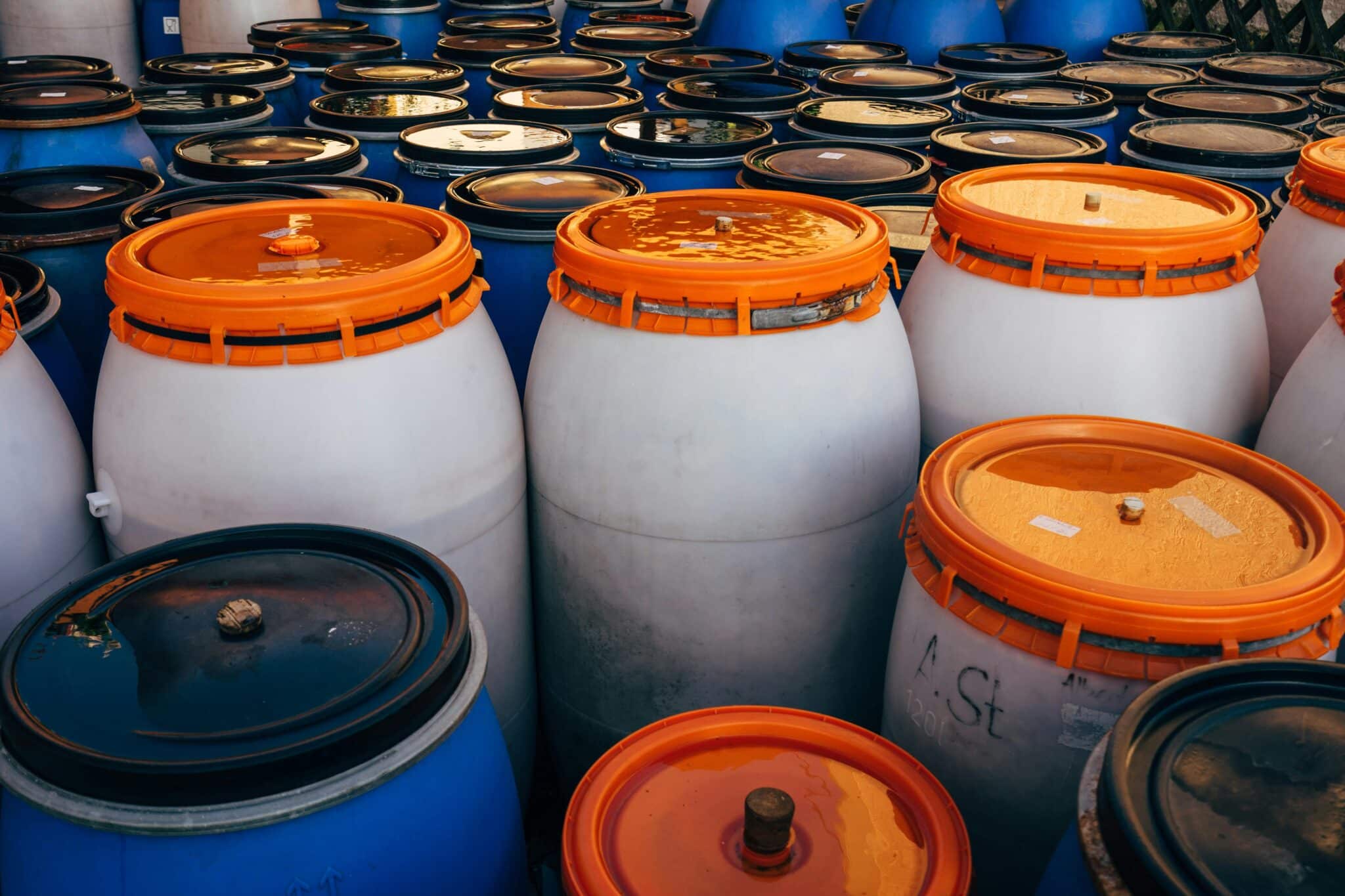
Understanding Reactive Chemical Hazards: How Testing Supports Safer Processes
Learn how to identify and manage reactive chemical hazards with key testing methods and safety strategies for safer industrial processes.

Reactive Chemical Testing in the Pharmaceutical Industry: Ensuring Process Safety and Product Integrity
Explore how reactive chemical testing in the pharmaceutical industry ensures safety, compliance, and reliable scale-up.

Webinar: 5 Myths and Misunderstandings in Thermal and Chemical Reactivity Hazards
Free webinar: Learn 5 common myths and understandings about reactivity hazards with expert insights from Dr. Guibing Zhao.

Getting Started with Reactive Chemical Services
Explore essential reactive chemical services to enhance process safety, prevent incidents and ensure regulatory compliance.

The Silent Threat: Unmasking Thermal Instability
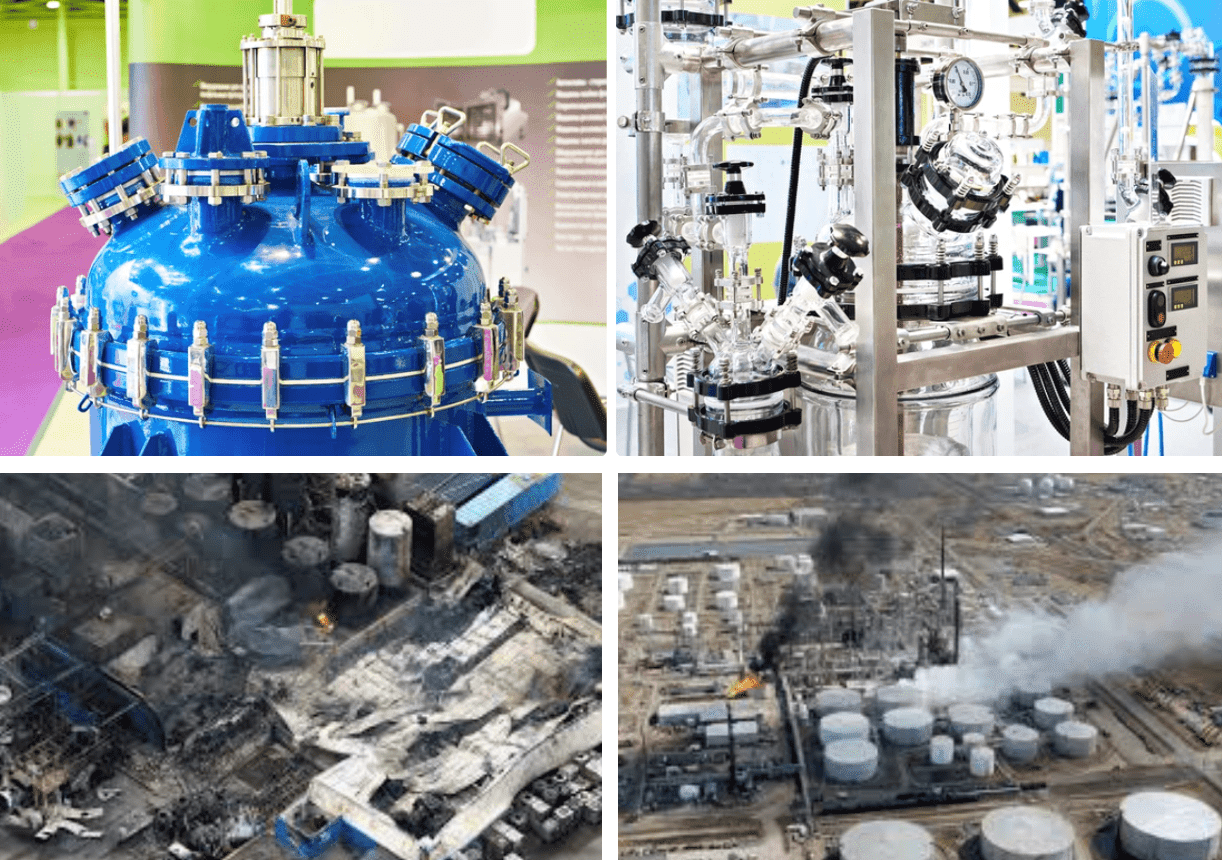
Reactive Chemical Hazards in Batch Reactions
Chemical reaction hazards in batch processes — common hazard types, real incident examples, and mitigation strategies.
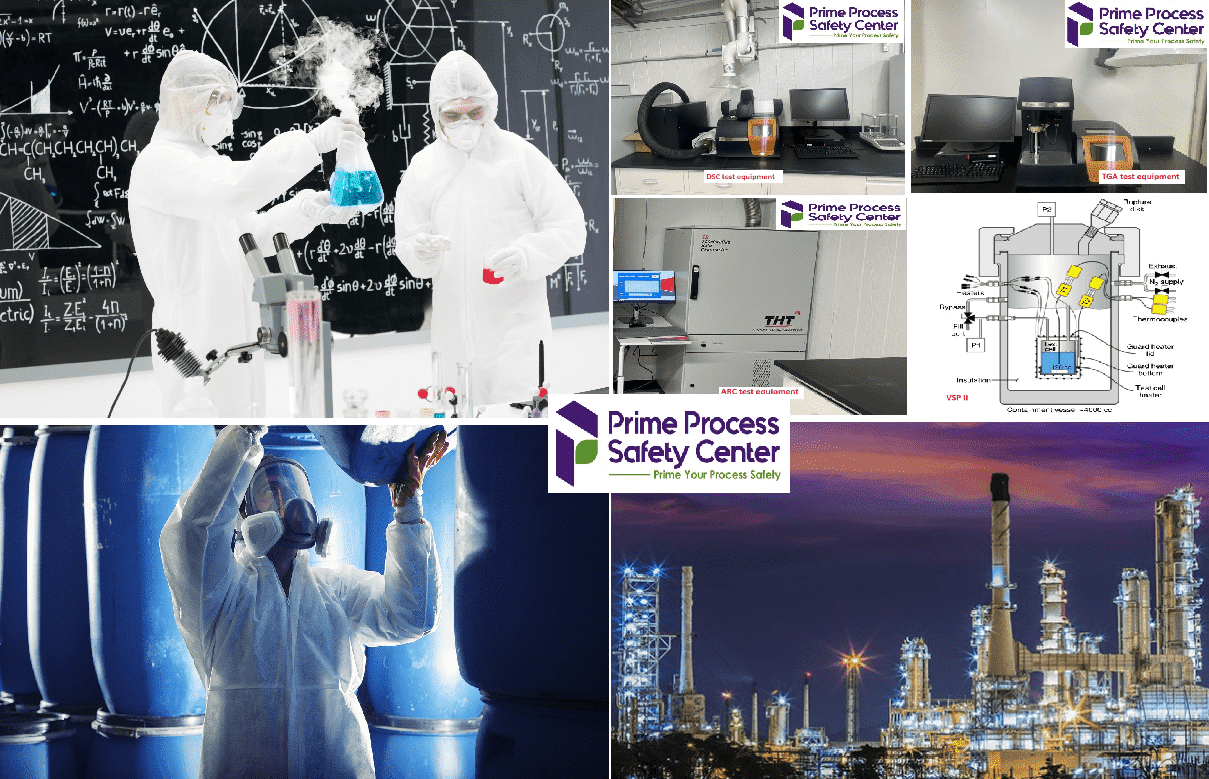
The Most Frequently Asked Questions About Reactive Chemical Testing
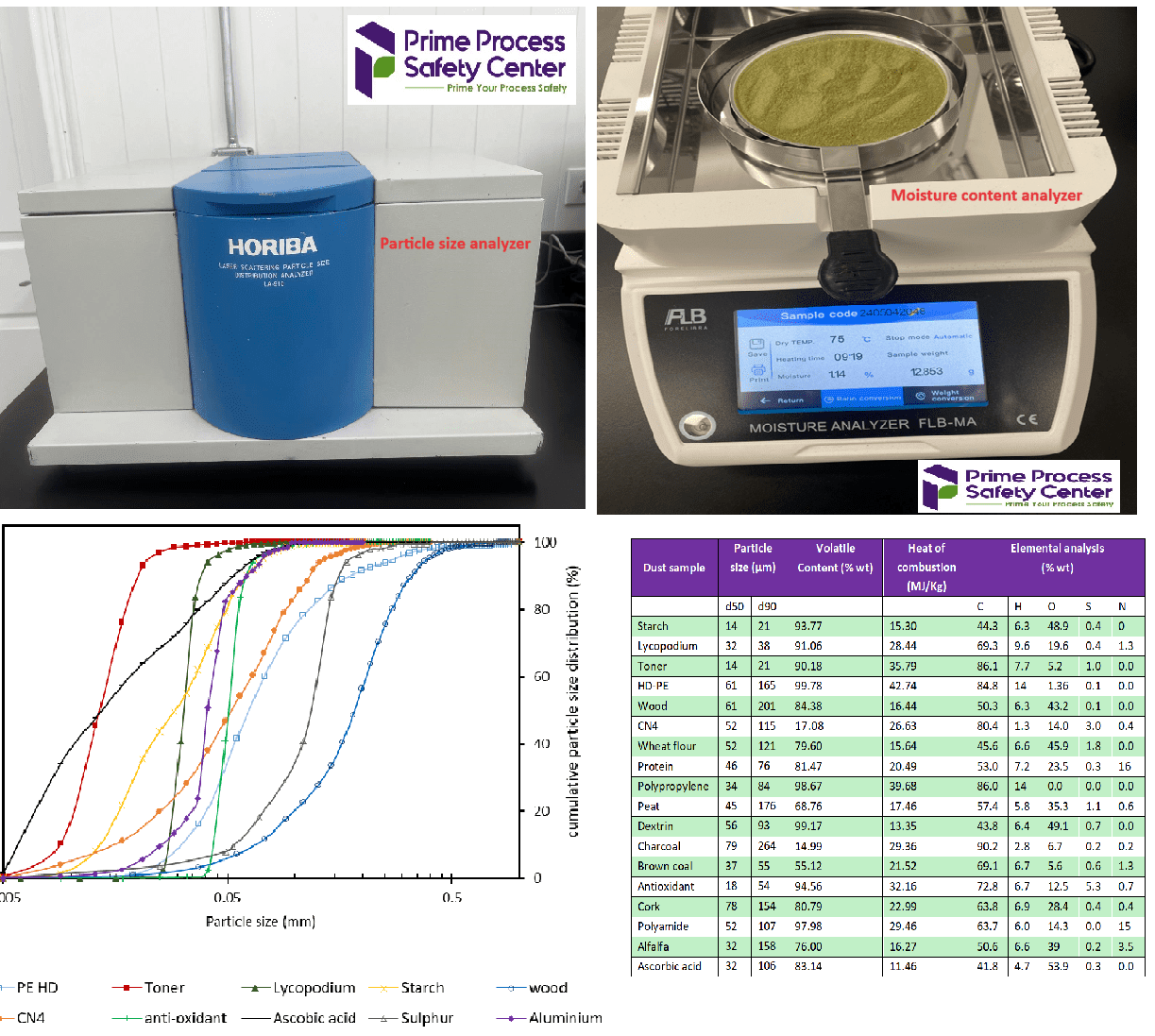
Understanding the Factors Influencing the Explosibility of Combustible Dust
Testing to Assess Your Chemical Reaction Hazard
Understand the importance of assessing Chemical Reaction Hazard for safe industrial operations and effective risk management.