

What Is Process Hazard Analysis?
A Process Hazard Analysis (PHA) is a structured, systematic, and team-based review of a process used to identify and evaluate hazards associated with industrial operations, especially those involving hazardous chemicals or energy sources. A PHA examines the ways a process might fail, what could go wrong, and what the consequences could be, before those failures occur. A key goal is to help organizations make informed decisions to improve safety and reduce the likelihood and severity of fires, explosions, toxic releases, spills, and other catastrophic events.
In practice, a Process Hazard Analysis provides a structured way to examine how a process could deviate from its intended operation and what consequences might result. By systematically evaluating potential failure scenarios, a PHA supports informed decision-making and serves as a foundational element of broader process safety and risk management programs.
Why Conduct a Process Hazard Analysis?
Industries that handle hazardous chemicals, combustible materials, high pressures, or high temperatures operate in environments where a single failure can lead to serious consequences. A Process Hazard Analysis is conducted to proactively identify these risks before they result in fires, explosions, toxic releases, equipment damage, environmental harm, or injury to personnel.
Understanding the Hazards Industries Face
Many industrial processes involve inherent hazards that may not be immediately obvious during normal operation. These hazards can arise from:
- Loss of containment of flammable, toxic, or reactive chemicals
- Abnormal operating conditions such as overpressure, overheating, or flow blockages
- Equipment failures, including valves, pumps, vessels, and instrumentation
- Human factors such as procedural deviations, maintenance errors, or inadequate training
- External events like power loss, utility failures, or environmental conditions
Without a structured review, these hazards can remain hidden until an incident occurs. A PHA helps organizations systematically identify credible accident scenarios and understand how routine deviations or failures could escalate into serious events.
Key Benefits of Conducting a Process Hazard Analysis
Conducting a PHA provides several important benefits beyond basic hazard identification:
- Improved hazard recognition: PHAs help uncover process-specific hazards that may not be apparent through inspections or incident history alone.
- Risk reduction: By identifying causes and consequences, PHAs support the selection of appropriate safeguards to prevent or mitigate incidents.
- Protection of personnel: Understanding hazardous scenarios allows organizations to better protect operators, maintenance staff, and contractors who interact with the process.
- Prevention of catastrophic events: Fires, explosions, and toxic releases are often the result of unrecognized or poorly understood hazards. PHAs aim to address these before they occur.
- Informed decision-making: PHA findings support safer design choices, operating limits, and management-of-change decisions throughout the life of a process.
Why a PHA Is Necessary, Not Optional
Many processes operate for years without incident, which can create a false sense of security. However, safe historical operation does not eliminate the presence of hazards. Changes in operating conditions, raw materials, equipment condition, or staffing can introduce new risks over time. A PHA provides a formal mechanism to evaluate these risks in a systematic and repeatable way.
By identifying potential hazards early and understanding how they could impact people, equipment, and the environment, a Process Hazard Analysis serves as a critical foundation for effective process safety management and long-term operational reliability.

Process Hazard Analysis and OSHA Requirements
In the United States, Process Hazard Analysis is a core requirement under OSHA’s Process Safety Management (PSM) standard, codified in 29 CFR 1910.119. The regulation applies to facilities that handle covered quantities of highly hazardous chemicals, including flammable liquids and gases, toxic substances, and reactive chemicals. Within the PSM framework, the PHA serves as the primary tool for identifying and evaluating process hazards that could lead to catastrophic incidents.
OSHA’s Expectations for Process Hazard Analysis
OSHA requires that affected processes undergo a formal PHA to identify, evaluate, and control hazards associated with the process. The standard specifies that a PHA must:
- Address the hazards of the process, including chemical, physical, and operational risks
- Identify previous incidents with the potential for catastrophic consequences
- Evaluate engineering and administrative controls and their effectiveness
- Consider facility siting and human factors
- Result in documented findings and recommendations
PHAs must be conducted using one or more recognized methodologies, such as HAZOP, What-If, Checklist, FMEA, or equivalent techniques appropriate for the complexity of the process.
PHA Frequency and Revalidation Requirements
OSHA requires that PHAs be revalidated at least every five years to ensure they remain consistent with the current design, operation, and condition of the process. Revalidation is not intended to be a simple review of past documentation, but a structured reassessment that considers:
- Changes made through management of change (MOC)
- Updated process safety information
- Lessons learned from incidents or near misses
- Equipment aging, modifications, or operational changes
Failure to adequately revalidate PHAs is a common source of OSHA citations, particularly when hazards are no longer accurately represented or recommendations remain unresolved.
Beyond Compliance: The Role of PHA in PSM Programs
While OSHA establishes minimum requirements, compliance alone does not guarantee effective hazard recognition. The intent of the PHA requirement is to promote thorough and realistic evaluation of process risks, not simply to produce documentation. Weakly executed PHAs may satisfy regulatory expectations on paper while still allowing significant hazards to go unrecognized.
When properly implemented, PHAs support multiple elements of a PSM program, including operating procedures, training, mechanical integrity, and management of change. In this way, the PHA functions not only as a regulatory obligation, but as a foundational component of effective process safety management.
Key Process Hazard Analysis Methods: Pros, Cons, and Selection
Selecting the right PHA methodology is critical to effectively identifying and evaluating hazards. Different methods vary in depth, focus, and complexity, and no single method is universally best. Understanding the strengths and limitations of each approach helps organizations match the method to process complexity, operational risk, and available expertise.
1. Hazard and Operability Studies (HAZOP)
- Description: A systematic, team-based examination of process deviations using guidewords (e.g., “more,” “less,” “reverse”) to identify potential hazards.
- Pros: Very thorough; excellent for complex processes; encourages cross-functional discussion; widely recognized in industry and regulatory compliance.
- Cons: Time-consuming; requires experienced facilitators; can produce large volumes of recommendations that require prioritization.
- Best Use: Complex chemical or multiphase processes with high potential consequences.
2. What-If and Checklist Reviews
- Description: Qualitative brainstorming using “what-if” scenarios or structured checklists to identify potential hazards.
- Pros: Flexible; quick to implement; useful for less complex processes; encourages creative thinking.
- Cons: May miss hazards if scenarios are not comprehensive; relies heavily on team experience; less systematic than HAZOP.
- Best Use: Simple or moderately complex processes, early design stages, or supplemental to other PHAs.
3. Layer of Protection Analysis (LOPA)
- Description: Semi-quantitative approach that evaluates the effectiveness of existing safeguards and estimates risk levels.
- Pros: Provides numerical insight into risk reduction; helps prioritize additional safeguards; bridges qualitative PHA and quantitative risk assessment.
- Cons: Requires reliable process data and probability estimates; limited for identifying new hazards.
- Best Use: When evaluating safeguards for specific high-risk scenarios or deciding on additional protective layers.
4. Hazard Identification Reviews
- Description: Early-stage, high-level hazard identification focusing on process design and conceptual stages.
- Pros: Good for preliminary design; identifies major hazards before detailed engineering; supports early risk mitigation decisions.
- Cons: Less detailed than HAZOP; may overlook operational nuances.
- Best Use: New facility design or major process modifications.
5. Root Cause Analysis (RCA)
- Description: Investigates incidents after they occur to determine underlying causes and prevent recurrence.
- Pros: Focused on learning from real events; identifies systemic issues; supports continuous improvement.
- Cons: Reactive rather than proactive; does not prevent hazards in advance.
- Best Use: Post-incident investigations, near-miss analysis, and process improvement.
6. Fault Tree Analysis (FTA) and Bow-Tie Analysis
- FTA: Deductive, graphical method tracing pathways from a top-level failure to root causes.
- Bow-Tie: Combines fault tree and event tree concepts to show causes and consequences along with preventive and mitigative barriers.
- Pros: Excellent for understanding cause-effect relationships; supports visualization of controls.
- Cons: Can be complex; requires expertise; best applied to specific high-consequence scenarios rather than entire processes.
- Best Use: Complex processes where the sequence of failures and barriers must be clearly understood.
7. Quantitative Risk Assessment (QRA) and Consequence Modeling
- Description: Uses numerical methods and simulation models to estimate likelihood and consequences of hazardous events.
- Pros: Provides data-driven risk estimates; helps prioritize risk reduction investments; supports regulatory reporting.
- Cons: Data-intensive; time-consuming; requires specialized software and expertise.
- Best Use: High-risk processes or facilities requiring quantitative justification of safeguards.
Choosing the Right Method
The selection of a PHA method depends on:
- Process complexity and scale
- Stage of the project (conceptual, detailed design, or operational)
- Available data and process knowledge
- Regulatory or corporate requirements
- Resources, including facilitator experience and team expertise
In practice, organizations often combine methods, using Hazard Identification Reviews or What-If reviews early in design, HAZOP for detailed analysis, and LOPA/QRA for semi-quantitative/quantitative evaluation of high-risk scenarios. RCA, FTA, and Bow-Tie analyses are typically applied as focused studies for specific events or risks.

How to Conduct an Effective Process Hazard Analysis
Conducting an effective Process Hazard Analysis requires more than following a methodology; it involves careful planning, accurate process information, a knowledgeable team, and structured facilitation. Following the proper process hazard analysis steps ensures that PHAs uncover hazards that might otherwise go unnoticed, helping organizations prevent incidents and reduce risk.
1. Assemble a Cross-Functional Team
An effective PHA relies on diverse expertise. The team should typically include:
- Process engineers familiar with design and operating conditions
- Operations personnel who understand daily activities and deviations
- Maintenance staff with insight into equipment limitations and failure modes
- Safety professionals with knowledge of regulatory requirements and risk assessment techniques
- Facilitators and scribes to guide discussions, document findings, and maintain objectivity
A well-balanced team ensures that both design and operational perspectives are considered, and that no critical hazards are overlooked.
2. Gather Accurate and Complete Process Information
The quality of a PHA depends on the data available. Key inputs include:
- Process flow diagrams (PFDs) and piping and instrumentation diagrams (P&IDs)
- Material safety data, including chemical properties, toxicity, and reactivity
- Operating procedures and control logic
- Historical incident and near-miss reports
- Design specifications and equipment limitations
Accurate information allows the team to evaluate hazards realistically, rather than relying on assumptions or incomplete data.
3. Select Appropriate PHA Method(s)
Choose a method or combination of methods based on process complexity, risk level, and available expertise:
- HAZOP for detailed analysis of complex processes
- What-If or Checklist Reviews for simpler or conceptual processes
- LOPA for semi-quantitative evaluation of critical scenarios
- QRA for quantitative evaluation of critical scenarios
The selected method should allow the team to systematically identify deviations, assess consequences, and evaluate safeguards.
4. Structure the Analysis
A successful PHA is systematic and thorough:
- Define the scope and boundaries of the process being analyzed
- Divide the process into manageable sections or units for review
- Use structured guidewords, prompts, or checklists to examine deviations and potential hazards
- Document causes, consequences, safeguards, and recommendations clearly
Structured facilitation ensures that discussions remain focused and that important hazards are not overlooked.
5. Prioritize Recommendations and Follow-Up
Identified hazards must result in actionable recommendations:
- Evaluate whether existing safeguards are sufficient or if additional controls are needed
- Rank risks based on severity, likelihood, and potential impact
- Assign responsibility and timelines for implementation
- Track closure of recommendations to ensure hazards are effectively mitigated
Follow-up is critical, unresolved recommendations undermine the purpose of the PHA.
6. Revalidate and Update PHAs
Effective PHAs are living documents. OSHA requires revalidation at least every five years, but updates should also occur whenever:
- Changes are made to equipment, processes, or materials (Management of Change)
- New data, incidents, or near-misses arise
- Process knowledge improves or operational practices evolve
Regular updates ensure that hazard recognition remains current and that risk controls continue to protect personnel and equipment.
By adhering to these principles, organizations can conduct PHAs that go beyond compliance, actively reducing risk and improving process safety.
PHA in Real-World Applications: Why Hazards Are Often Missed
Even the best-planned PHAs can fail to capture all hazards. Lessons from actual industrial experience show that hazard recognition can be compromised in ways that formal procedures alone cannot prevent.
1. Hidden or Unanticipated Hazards
Some hazards are unique to a facility or process and may not appear in standard checklists or guidewords. These can include unusual chemical reactions, rare operational deviations, or quirks in specific pieces of equipment. Because they are not immediately obvious, such hazards often remain undetected during the PHA unless the team engages in critical thinking and thoroughly explores all possible deviations.
2. Human and Organizational Factors
Operators and engineers sometimes assume a process is safe simply because it has run for years without incident. This reliance on historical operation can cause subtle failure modes to be overlooked. Additionally, a lack of cross-functional engagement or insufficient communication between design, operations, and maintenance teams can create blind spots, leaving certain hazards unrecognized despite a formal PHA.
3. Implementation Gaps
Even when hazards are identified during a PHA, they are only useful if mitigation measures are implemented effectively. In many real-world cases, recommendations are ignored, delayed, or poorly tracked, leaving the organization exposed. A PHA that produces a report but fails to ensure follow-up does not reduce risk, demonstrating that hazard recognition alone is insufficient without consistent action.
4. Process Evolution
Industrial processes are dynamic, and hazards can emerge over time. Changes in equipment, raw materials, operating procedures, or staffing can introduce new risks that were not present—or not considered—during the original PHA. Regular revalidation and integration with management-of-change processes are essential to ensure that hazard recognition keeps pace with evolving conditions.
Real-world experience shows that PHAs are most effective when they combine structured methodology with active engagement, critical thinking, and continuous attention to process changes. Even the best tools cannot compensate for incomplete information, weak follow-up, or a lack of organizational commitment to safety. By acknowledging these challenges, organizations can strengthen their hazard recognition efforts and ensure that PHAs deliver meaningful, practical risk reduction rather than simply fulfilling a regulatory requirement.

Related Blogs

ATEX vs IECEx Hazardous Area Classification
Understand the conditions that lead to gas and vapor explosions, common industrial scenarios, and how facilities can reduce the risk.
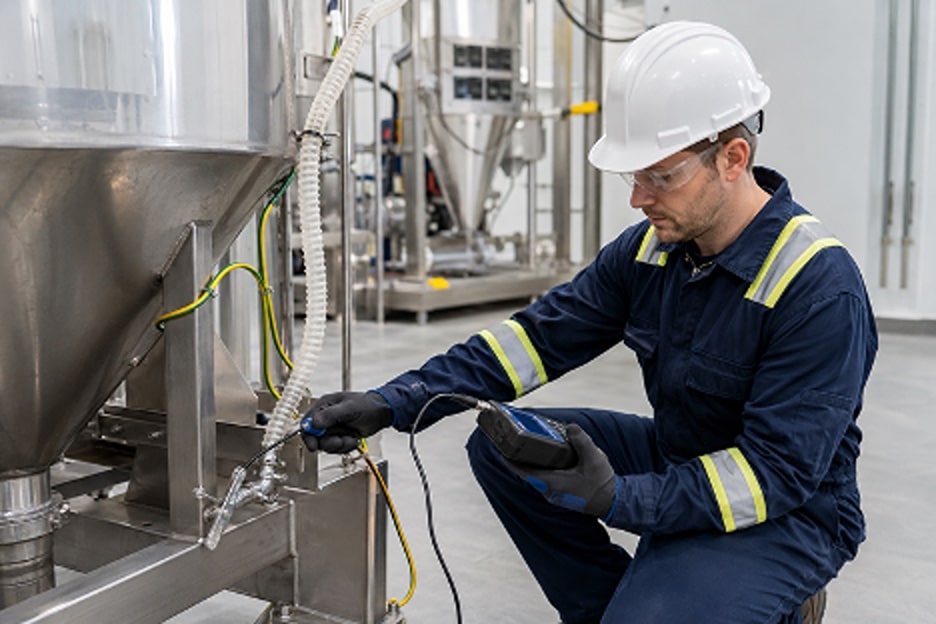
Protect Against Electrostatic Hazards
Understand the conditions that lead to gas and vapor explosions, common industrial scenarios, and how facilities can reduce the risk.
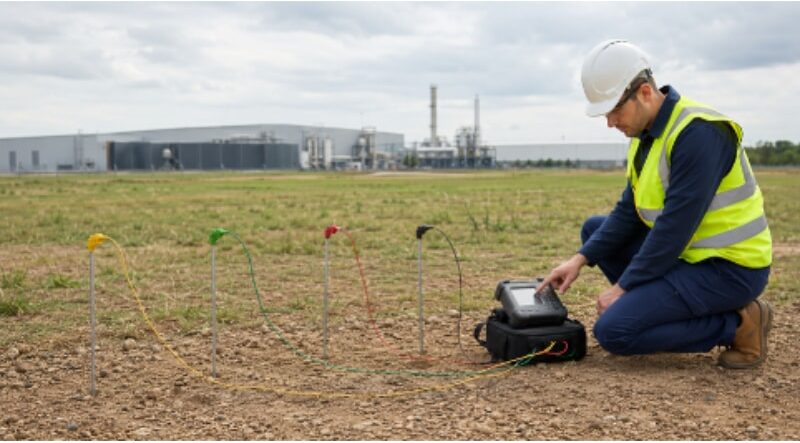
Soil Resistivity Information and Field Testing
Understand the conditions that lead to gas and vapor explosions, common industrial scenarios, and how facilities can reduce the risk.

SDS Creation and Physical Property Testing
Understand the conditions that lead to gas and vapor explosions, common industrial scenarios, and how facilities can reduce the risk.

UN/DOT HAZARDOUS MATERIALS TESTING
Understand the conditions that lead to gas and vapor explosions, common industrial scenarios, and how facilities can reduce the risk.

Thermal Stability Testing
Understand the conditions that lead to gas and vapor explosions, common industrial scenarios, and how facilities can reduce the risk.

Combustible Dust Hazard Identification and the Dust Hazard Analysis (DHA)
Understand the conditions that lead to gas and vapor explosions, common industrial scenarios, and how facilities can reduce the risk.

Chemical Reaction Hazard Testing & Reactive Chemical Services
Understand the conditions that lead to gas and vapor explosions, common industrial scenarios, and how facilities can reduce the risk.

ASTM Testing Services
Understand the conditions that lead to gas and vapor explosions, common industrial scenarios, and how facilities can reduce the risk.

Aerosol Testing Services: Flammability, UN/DOT Classification and Safe Handling
Understand the conditions that lead to gas and vapor explosions, common industrial scenarios, and how facilities can reduce the risk.

DHA vs. PHA: How Should You Choose for Your Facility?
Understand the conditions that lead to gas and vapor explosions, common industrial scenarios, and how facilities can reduce the risk.

The 0.1% Mistake: How Trace Impurities Trigger Mass Thermal Runaway
Understand the conditions that lead to gas and vapor explosions, common industrial scenarios, and how facilities can reduce the risk.