


What Is a Dust Hazard Analysis (DHA)
A Dust Hazard Analysis (DHA) is a formal, systematic, and facility-specific engineering evaluation performed to identify, assess, and manage fire, flash fire, and explosion hazards associated with combustible dusts. A DHA evaluates where combustible dust is present, how it may be generated, accumulated, or dispersed into an ignitable suspension, potential ignition sources, and whether existing prevention and protection measures are adequate to control the risk.
A properly conducted DHA examines process operations, materials, equipment, building features, and operating conditions unique to a facility. This includes dust generation points, material handling and transfer systems, ventilation and dust collection systems, housekeeping practices, and ignition source controls, along with an evaluation of safeguards such as explosion venting, isolation, suppression, and fire protection systems to support compliance with applicable fire codes, safety regulations, and industry consensus standards.
Why do I Need a Dust Hazard Analysis
Combustible dust presents a significant fire and explosion hazard in industrial environments where fine particulate solids are manufactured, processed, handled, or stored. Industries such as food processing, chemical manufacturing, woodworking, metalworking, pharmaceuticals, plastics, energy production, and recycling routinely generate dusts that can ignite or explode when specific conditions are present.
History has demonstrated that uncontrolled combustible dust hazards can result in serious injuries, fatalities, extensive property damage, business interruption, and regulatory enforcement actions. Dust-related incidents frequently occur in facilities where dust accumulation, ignition sources, and confinement exist during normal operations.
Routine housekeeping and general safety practices alone are not sufficient to manage combustible dust hazards. Effective risk management requires a structured and technically defensible evaluation of where dust is generated, how it behaves within processes and equipment, and whether existing safeguards are adequate. A Dust Hazard Analysis provides this systematic approach by identifying hazards, evaluating current controls, and supporting targeted actions to reduce risk.

Fundamentals of Combustible Dust Hazards
Combustible dust may seem harmless, but it poses serious fire and explosion risks if not properly managed. Understanding these hazards is essential before conducting a Dust Hazard Analysis (DHA) or implementing safety measures.
At the most basic level, dust hazards are explained through the fire triangle and the explosion pentagon:
- Fire (basic hazard): Requires three elements, known as the fire triangle:
- Fuel: Combustible dust present in sufficient quantity
- Oxygen: Usually from surrounding air
- Ignition source: Sparks, heat, friction, or other energy capable of igniting the dust
Removing any one of these elements prevents combustion.
- Flash Fire: Builds on the fire triangle and occurs when additional conditions exist:
- Dust cloud formation: Dust is fine enough and suspended in air at a concentration above the minimum explosive limit
- Combustion-supporting atmosphere: Conditions allow the flame to propagate through the cloud
- Ignition energy: The source has sufficient energy or temperature to ignite the airborne dust
- Dust Explosion: The most severe hazard, requiring all flash fire conditions plus:
- Confinement: The dust cloud is enclosed or partially enclosed (e.g., silos, bins, ducts), which can generate damaging overpressure
- Explosion propagation: Once ignited, the confined dust can cause a rapid, violent expansion of gases and flame, potentially triggering secondary explosions if more dust is present elsewhere

Understanding these fundamentals is the first step in assessing and mitigating combustible dust hazards in your facility. A thorough DHA will evaluate all these factors to determine appropriate safeguards and safety measures.
Dust Hazard Analysis Compliance and Regulations
Combustible dust hazards are a major focus of industry standards, fire codes, and regulatory enforcement due to the severity of potential consequences. Facilities that handle, process, or manufactures combustible dust are expected to formally identify and manage these hazards through a documented Dust Hazard Analysis.
NFPA Standards
-
NFPA 660 – Standard for Combustible Dusts
The consolidated NFPA standard addressing combustible dust hazards across industries. It establishes requirements for Dust Hazard Analysis, ignition control, fire prevention, and explosion protection, providing a comprehensive framework for consistent and technically sound hazard management.
- NFPA 652 – Standard on the Fundamentals of Combustible Dust
Requires facilities that manufacture, process, blend, convey, repackage, or handle combustible dust to complete a Dust Hazard Analysis. NFPA 652 establishes the DHA framework and directs users to applicable industry-specific standards. -
Industry-Specific NFPA Standards
NFPA 654, 61, 484, 655, and 664 address combustible dust hazards in general manufacturing, food processing, metal dusts, sulfur handling, and woodworking operations. - NFPA 68 and NFPA 69
Provide requirements for explosion protection through deflagration venting, suppression, isolation, and prevention systems. - NFPA 499
Addresses classification of combustible dusts and hazardous locations for electrical installations.
OSHA Guidance
-
Combustible Dust National Emphasis Program (CPL 03‑00‑008)
Directs OSHA inspections toward facilities that generate, handle, or store combustible dust. OSHA commonly references NFPA standards as recognized industry practices when evaluating hazard identification, risk mitigation, and housekeeping. Facilities lacking a documented DHA or adequate controls may be subject to citations.
-
OSHA General Duty Clause (Section 5(a)(1))
Requires employers to identify and mitigate recognized hazards, including combustible dust, when feasible. Even in the absence of a specific OSHA standard, employers may be cited if combustible dust hazards are not adequately addressed. A documented DHA serves as strong evidence of due diligence.
Conducting a Dust Hazard Analysis helps facilities demonstrate compliance with NFPA standards, reduce regulatory exposure, and establish a defensible basis for hazard identification and control.
When Do I Need a Dust Hazard Analysis
A Dust Hazard Analysis should be performed whenever there is a potential for combustible dust to be generated, accumulate, or become airborne within a facility.
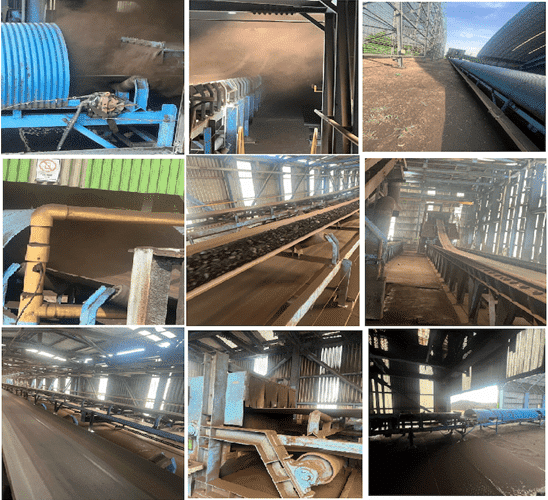
Typical scenarios include:
- Facility design or new equipment installation
New construction, processes, or equipment involving dust-producing materials should be evaluated before startup. - Process changes or material substitutions
Changes to operations, production rates, or raw materials can significantly alter dust hazards and require DHA review or update. - Periodic revalidation
DHAs should be reviewed and updated periodically or whenever operational changes affect dust accumulation, ventilation, or ignition control. - Following dust-related incidents or near misses
Fires, flash fires, explosions, or near-miss events indicate the need to reassess hazards and safeguards. - Regulatory, AHJ, or insurance requirements
Fire authorities, insurers, or corporate safety programs may require a current DHA to demonstrate compliance and risk management.
A proactive DHA helps facilities identify hazards early, verify existing safeguards, and implement effective mitigation strategies to maintain safe and compliant operations.
Steps to Conduct a Dust Hazard Analysis
Conducting a Dust Hazard Analysis (DHA) is a structured process used to identify and manage combustible dust hazards within a facility. A properly executed DHA provides the technical basis for selecting safeguards, reducing fire and explosion risks, and supporting compliance with applicable standards.
Before diving into the execution steps, it’s important to understand that not all DHAs are performed the same way. NFPA recognizes multiple DHA approaches, each with different levels of detail, cost, and applicability.
For a deeper breakdown of prescriptive, performance-based, and risk-based DHA approaches, see our detailed guide: Dust Hazard Analysis (DHA) Methodologies.
Step 1: Gather Essential Documentation
A DHA starts with a clear understanding of facility operations, equipment, and materials. Relevant documentation should be collected to accurately describe the process and dust-handling systems, including:
- Process flow diagrams (PFDs)
- Piping and instrumentation diagrams (P&IDs)
- Mass and energy balances
- General arrangement and building plans
- Equipment drawings, data sheets, and manuals
- Electrical area classification drawings
Material properties should also be documented for each stage of the process. Changes in particle size, moisture content, or handling conditions can significantly affect combustible dust hazards. Available dust test data such as Kst, Pmax, and minimum explosive concentration (MEC) should be reviewed to confirm it represents current operating conditions.
Applicable NFPA standards are identified at this stage. NFPA 652 provides the baseline framework and directs facilities to industry- or commodity-specific standards. NFPA 68 and NFPA 69 are commonly referenced when evaluating explosion protection or prevention systems.
Step 2: Conduct Field Verification
Facility documentation is often incomplete or outdated, particularly in older facilities or those that have undergone modifications. Field verification ensures the DHA reflects actual operating conditions.
This step typically includes a walkthrough of the facility to confirm:
- Equipment configuration and layout
- Dust accumulation locations
- Ventilation and dust collection systems
- Housekeeping practices
Any discrepancies between documentation and field conditions are recorded. In many cases, this step also supports updating drawings to reflect the current facility configuration.
Step 3: Assemble the DHA Team
NFPA 652 requires that a qualified individual lead the DHA and recommends a team-based approach. A multidisciplinary team improves the quality and accuracy of the analysis.
The DHA team commonly includes:
- Process or plant engineers
- Environmental, health, and safety personnel
- Operations and maintenance staff
- Management representatives
Including personnel with direct operational experience helps ensure routine operations, non-routine tasks, and abnormal conditions are properly considered.
Step 4: Identify Hazards and Evaluate Compliance
This step forms the core of the DHA. Each process step, piece of equipment, and facility area is systematically reviewed to identify combustible dust hazards.
The evaluation focuses on whether:
- Sufficient dust quantities could be present
- Dust could become airborne and form a combustible cloud
- Potential ignition sources exist
Existing protective measures are identified and reviewed to determine whether they are appropriate for the hazard and compliant with applicable NFPA requirements. Both hazards and safeguards are documented to establish a clear risk profile.
Step 5: Prioritize Identified Hazards
After hazards are identified, they are ranked based on risk. This prioritization considers both the likelihood of an event and the potential severity of its consequences.
Higher-risk hazards are addressed first, while lower-risk items may be scheduled for later remediation. This approach helps facilities focus resources on the most critical safety issues.
Step 6: Document the Findings
NFPA 652 requires DHA results to be formally documented. The DHA report typically includes:
- Identified hazards
- Existing safeguards
- Areas of non-compliance
- Recommended corrective actions
Clear documentation supports regulatory reviews and serves as a reference for future process changes, equipment upgrades, and facility expansions.
Step 7: Review and Update the DHA
A DHA must be maintained over time. The analysis should be reviewed and updated whenever changes occur, such as:
- Modifications to process operating conditions
- Introduction of new materials
- Installation of new equipment or processes
NFPA 652 requires the DHA to be reviewed and updated at least every five years. Regular updates help ensure combustible dust hazards remain controlled as the facility evolves.
How a DHA Works in Practice
A Dust Hazard Analysis (DHA) is more than a paperwork exercise. Its true value comes from applying the findings to real-world operations to prevent fires and explosions.
Understanding Hazard Potential
In practice, a DHA examines all areas where combustible dust exists. Key questions include:
- Could enough dust accumulate to form a combustible atmosphere?
- Could dust become airborne and disperse into a cloud?
- Are ignition sources present, such as sparks, hot surfaces, or static electricity?
Even if protective measures are in place, a practical DHA ensures they function correctly. For example, an explosion vent may appear compliant, but improper vent sizing or an obstructed weather cover could render it ineffective during an event. A DHA uncovers these hidden risks before they become incidents.
Integrating Safety Measures
Once hazards are identified, a DHA helps determine the appropriate safeguards:
- Preventive controls: Measures that reduce dust accumulation or eliminate ignition sources.
- Mitigation systems: Equipment such as venting, suppression, or isolation systems that limit the impact of a potential explosion.
- Housekeeping practices: Routine cleaning schedules to prevent dust layers from reaching dangerous levels.
The analysis prioritizes which controls are needed most urgently based on the risk level, ensuring resources are applied efficiently.
Supporting Compliance and Management of Change
A DHA also serves as a compliance tool. Thorough documentation demonstrates adherence to NFPA standards and supports inspections by authorities having jurisdiction (AHJs). Beyond regulatory compliance, DHA findings provide a foundation for management of change. As facilities upgrade equipment, modify processes, or introduce new materials, the DHA guides safe implementation and ensures hazards are continually addressed.
Promoting a Safety Culture
A DHA is most effective when it is integrated into daily operations. Involving staff from operations, maintenance, and management ensures that safety practices are practical and followed consistently. Over time, this proactive approach shifts a facility from reactive hazard response to a culture of ongoing safety awareness.
Tests Needed for a Dust Hazard Analysis
Understanding the properties and behavior of the dust in your facility is a crucial part of a Dust Hazard Analysis (DHA). The following key tests help determine how combustible your dust is, how it reacts under different conditions, and what safeguards are necessary:
- Particle Size, Distribution, and Moisture Content – Affects dust explosibility and fire behavior.
- Burning Rate Test – Determines how quickly dust can ignite and propagate flame.
- Dust Explosion – Measures ignition sensitivity including MIE, MIT_cloud, MIT_layer, MEC and explosion severity including Pmax and Kst
- Electrostatics Testing – Evaluates static charge accumulation and ignition risks.
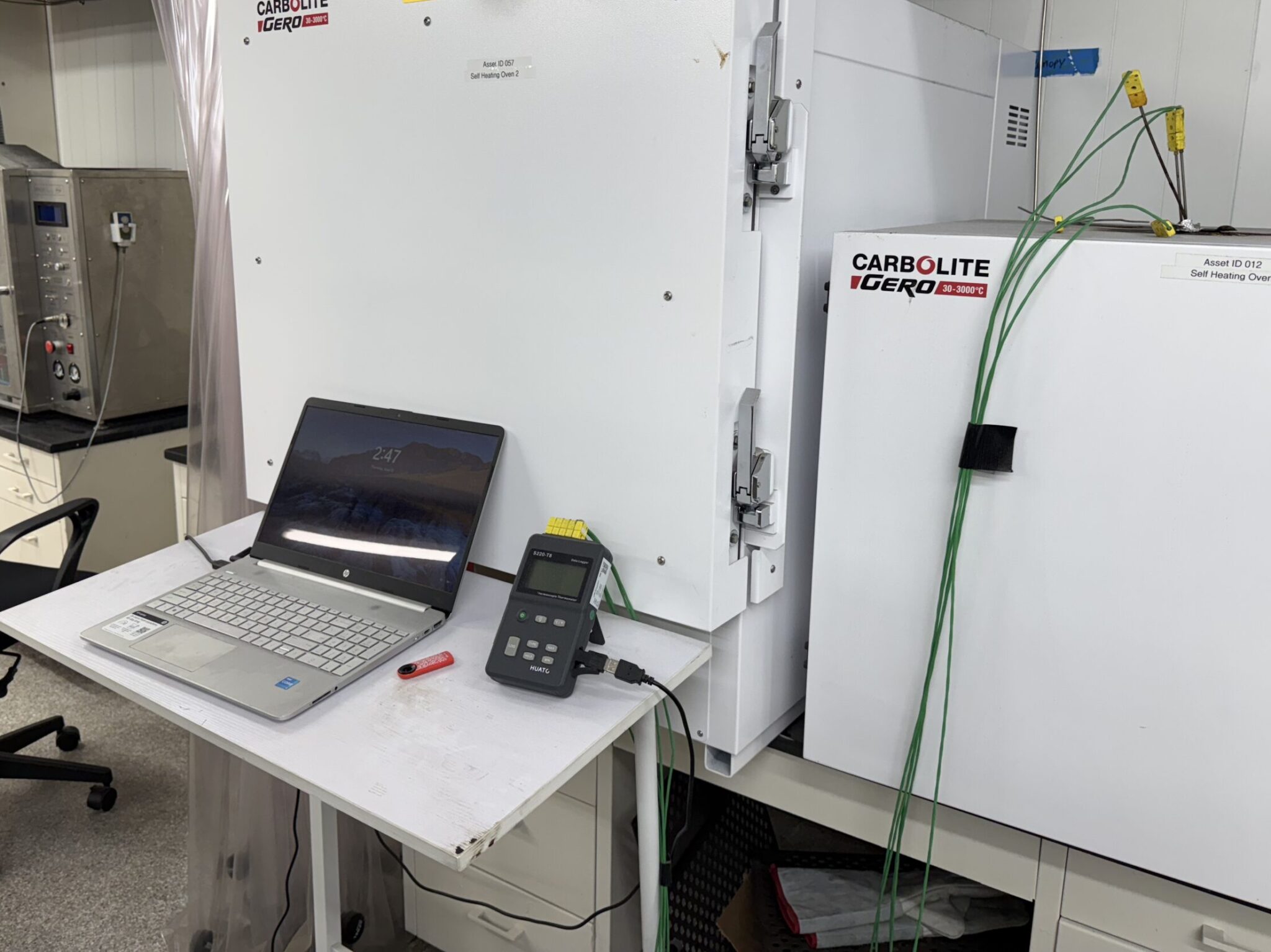
- Self-Heating and Thermal Instability Testing – Identifies dusts that may spontaneously ignite without an external source.
Industries at Risk from Combustible Dust Hazards
Certain industries face higher risks from combustible dust, making it essential to identify and manage potential hazards in these sectors:
- Food and Beverage: Flour, sugar, spices, powdered milk, and other fine ingredients can form explosive dust clouds.
- Woodworking and Furniture: Sawdust and wood shavings pose significant fire and explosion risks.
- Chemical and Pharmaceutical: Fine powders, active pharmaceutical ingredients, and chemical dusts may ignite or react under certain conditions.
- Metals and Mining: Metal powders, shavings, and dust from grinding or processing are highly combustible.
- Plastics and Polymers: Dust from pellets, powders, and recycling processes can create flash fire or explosion hazards.
- Textiles: Fibers and lint accumulation can result in fire and explosion hazards in manufacturing and storage areas.
- Energy and Biomass: Coal dust, wood pellets, and other fuel dusts present both fire and deflagration risks.
Each industry has its own unique dust hazards. Understanding these risks is essential for preventing fires or explosions and protecting both your facility and your workforce.
Conclusion
A Dust Hazard Analysis (DHA) is a critical step for any facility handling combustible dust. Beyond regulatory compliance, it provides a systematic approach to identifying risks, implementing safeguards, and preventing costly or dangerous incidents.
By understanding the fundamentals of dust hazards, performing thorough analyses, and conducting the appropriate tests, facilities can proactively manage dust-related risks. Whether your operations involve food processing, woodworking, chemical production, or metal handling, a DHA helps protect your employees, equipment, and facility.
Regularly reviewing and updating your DHA ensures that safety keeps pace with operational changes, new materials, or equipment upgrades. Combined with proper testing, documentation, and industry-specific knowledge, a DHA is the cornerstone of a robust combustible dust safety program.
With the right approach, expertise, and follow-up, your facility can move from reactive compliance to proactive hazard management, creating a safer and more resilient workplace.


Related Blogs

How Static Electricity Can Cause Fires in Your Facility
Learn how electrostatic charge buildup can create sparks that ignite flammable vapors, gases, and combustible dust in industrial operations.
Effective Process Hazard Analysis for Hazard Recognition
Learn how Process Hazard Analysis reduces industrial risk, meets OSHA requirements, and follows key process hazard analysis steps.

Join Our 5-Day On-Site Process Safety Training | Starts Oct 27
Join Prime Process Safety Center’s 5-day training on chemical hazards, dust, electrostatics, area classification, and PSM.
Webinar: Electrostatic Hazard Assessment: Prevention, Protection, and Best Practices
Join our webinar with Dr. Emmanuel Kwasi Addai to learn how to control electrostatic hazards in industrial processes and prevent fires.
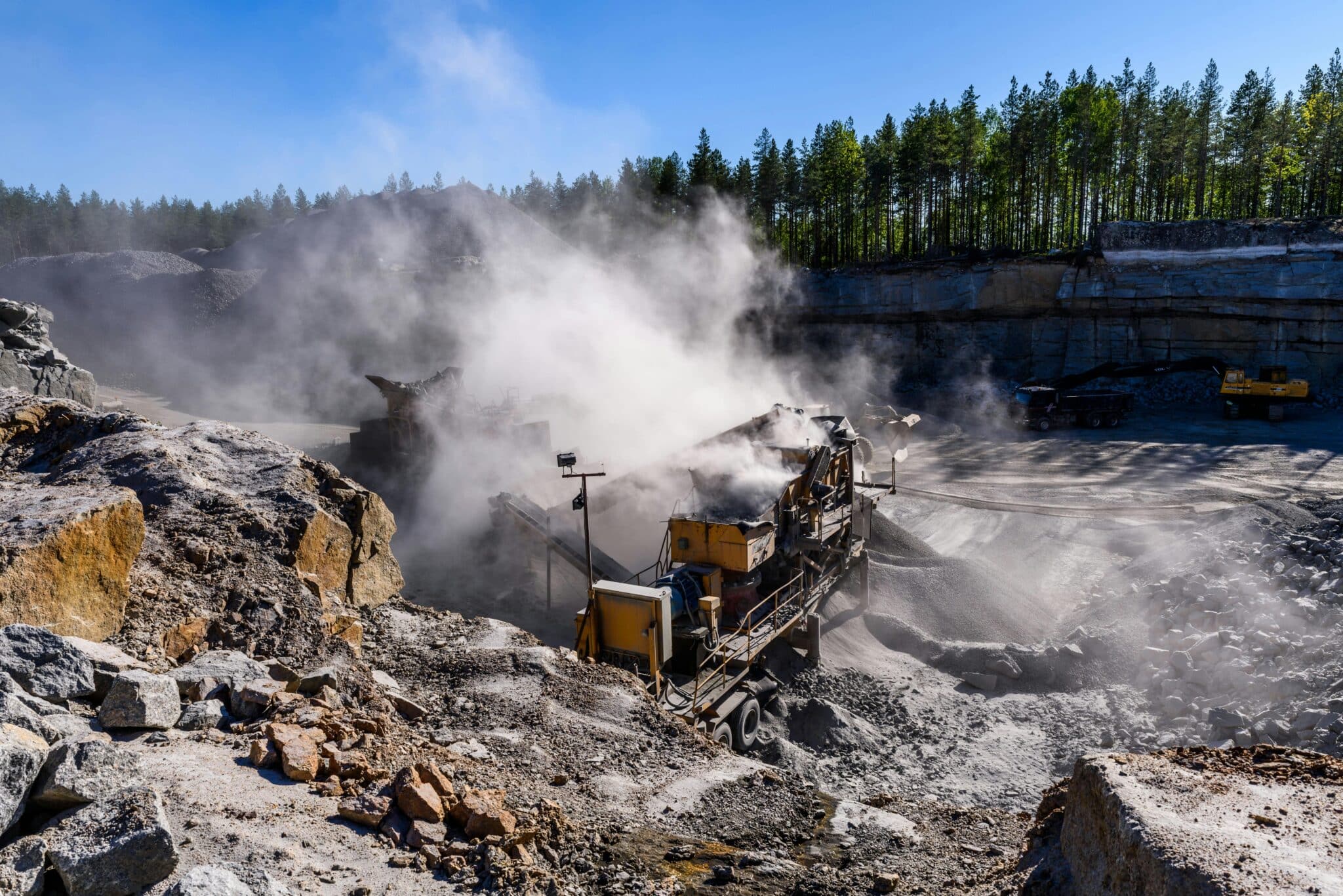
How Combustible Dust Testing Supports a Defensible Dust Hazard Analysis(DHA)
Learn how combustible dust testing supports a defensible Dust Hazard Analysis and drives safer, data-driven decisions in your facility.
Combustible Dust Hazard: Explosion Protection Strategies
Explosion protection strategies for combustible dust hazard, including containment, venting, and suppression per NFPA standards.

Mitigating Dust Hazards in Grain Handling Facilities
Learn how to manage dust explosion hazards in grain handling industries with key causes, regulations, and mitigation strategies.
Conducting Hazardous Area Classifications: A Step-by-Step Guide for Safer Operations
Learn how conducting hazardous area classifications help identify explosive atmospheres, control ignition sources, and ensure regulatory compliance.

Understanding Combustible Dust Fires and Explosions in Pharmaceutical Industry
Identify and mitigate combustible dust risks in pharmaceutical industry. Explore dust sources, hazards, safety controls, and compliance.
Combustible Dust Hazard: Management of Ignition Sources
Learn how to manage ignition risks in combustible dust environments with strategies for grounding, equipment, and ventilation.
DHA Revalidation: NFPA 660’s Five-Year Rule Explained
Learn about dust hazard analysis revalidation in NFPA 660. Explore key changes, compliance tips, and industry guidelines for dust safety.
Understand the Basics of Self-Heating / Thermal Instability Testing
Basics of Self-Heating / Thermal Instability Testing: Key powder tests to identify fire risks and ensure safe handling and storage.