
We also offer
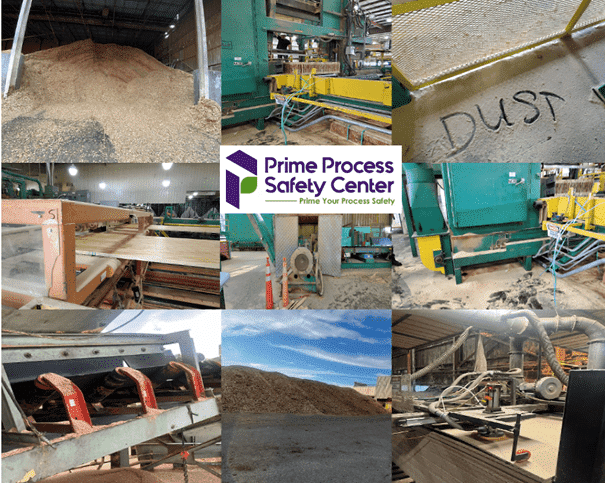
Prime Process Safety Center provides Dust Hazard Analysis (DHA) consulting services for facilities that generate, handle, or store combustible dust. Our DHA consultants help facilities identify and evaluate combustible dust hazards, assess existing safeguards, and implement practical, defensible solutions aligned with NFPA 652, NFPA 660, and OSHA requirements.
Why Choose Us as Your Dust Hazard Analysis Consultant
Prime Process Safety Center combines technical expertise, regulatory insight, and in-house laboratory capabilities to deliver dust hazard analysis consulting that is thorough, defensible, and practical.
Unlike consulting firms that rely on third-party laboratories or published dust data, our DHA consultants are supported by an in-house combustible dust testing laboratory. This means testings such as Kst, Pmax, MEC, MIE, and more are conducted internally, producing accurate, facility-specific data that directly informs our hazard evaluations and recommendations.
Our DHA consulting services are built around your facility’s specific operations, materials, and risk profile, not generic templates. Every assessment covers process equipment, buildings, and dust-handling systems, with recommendations that are actionable, risk-ranked, and suitable for AHJs, insurers, and regulatory audits.
Prime Process Safety Center’s experience spans food processing, pharmaceuticals, woodworking, metals, chemicals, energy, and recycling — industries where combustible dust hazards vary significantly and require consultants who understand both the science and the operational context.

How Our Dust Hazard Analysis Services Can Help You
At Prime Process Safety Center, our Dust Hazard Analysis services help facilities identify, evaluate, and manage combustible dust hazards while supporting compliance with recognized safety standards.
Our DHA services include:
- Regulatory alignment with NFPA 660, NFPA 652, and OSHA guidance
- Qualified subject-matter experts in combustible dust and process safety
- Comprehensive facility assessments of process equipment, buildings, and dust-handling operations
- Actionable, risk-based recommendations for housekeeping, engineering controls, and explosion protection
- Testing support through our in-house laboratory
- Implementation support and training for long-term risk management
- Clear, defensible documentation suitable for AHJs, insurers, and audits
Industries Our DHA Consultants Serve
Our dust hazard analysis consultants serve a broad range of industries where combustible dust hazards are a recognized risk to personnel, equipment, and operations.
- Food & Beverage — Flour, sugar, starch, and spice dusts present significant fire and explosion risks in processing, packaging, and storage environments.
- Wood — Sawdust and wood flour generated during cutting, sanding, and finishing operations require careful hazard evaluation across equipment and building systems.
- Metals & Machining — Aluminum, magnesium, and iron dusts carry severe explosion potential and require DHA consultants with specific knowledge of metal dust behavior.
- Chemical — Facilities handling combustible powders and chemical intermediates require facility-specific hazard evaluation aligned with applicable NFPA standards.
- Pharmaceutical — Active pharmaceutical ingredients and excipient powders are frequently combustible, requiring DHAs that account for both safety and cleanroom operational constraints.
- Plastics, Resins, and Rubber — Polymer dusts generated during processing, grinding, and recycling operations present flash fire and explosion hazards across multiple process areas.
- Coal and Mining — Coal dust hazards are among the most regulated in industry, requiring consultants familiar with both NFPA standards and sector-specific compliance requirements.
- Pulp & Paper — Paper dust and cellulose accumulation in processing and finishing areas create fire and flash fire hazards that require systematic DHA evaluation.
For a full list of industries served, visit our Industries We Serve page.
Related Process Safety Consulting Services
A Dust Hazard Analysis is often the starting point for a broader combustible dust safety program.Our consultants provide related services that support DHA findings and ongoing hazard management:
- Ignition Sources Assessment — Identifies and evaluates ignition sources identified during the DHA process
- Electrostatic Hazard Assessment — Evaluates static electricity risks that contribute to combustible dust ignition
- Explosion Prevention and Protection Consulting — Supports implementation of safeguards recommended in DHA findings
- Fire and Explosion Hazard Analysis — Broader hazard analysis for facilities with combined fire, explosion, and dust risks
- Combustible Dust Testing — In-house laboratory testing that supports DHA hazard evaluation and safeguard selection

FAQ
1. What is Dust Hazard Analysis (DHA)?
DHA is a systematic review to identify and evaluate the potential fire, explosion, and flash fire hazards associated with the presence of combustible dust in an industrial facility.
2. Why is DHA important in process safety?
DHA is critical because combustible dust can pose severe fire and explosion hazards. Conducting a DHA helps in identifying these risks and implementing measures to mitigate them, ensuring workplace safety.
3. What are the key elements of a DHA?
A DHA typically includes identifying combustible dust hazards, evaluating the likelihood of a dust explosion, examining existing safety measures, and recommending additional safety controls.
4. What does the Dust Hazard Analysis involve?
A dust hazard analysis is a systematic review to identify potential hazards, evaluate existing safeguards, and recommend additional safeguards or process improvements to reduce combustible dust explosion or fire hazards. NFPA 652 does not specify a particular format, but common elements of the DHA generally include material characterization, process characterization, evaluation of existing safeguards, mitigation recommendations and verification. A DHA is the best way to protect people and facilities from the dangers of a combustible dust explosion and reduce legal liability.
5. What is the focus of Dust Hazard Analysis and NFPA 652 Regulations?
A Dust Hazard analysis requires that a hazard must be present – this is usually the presence of an explosible atmosphere and an effective source of ignition. The key requirements for complying with NFPA 652 regulations revolve around the completion of a thorough Dust Hazard Analysis. We aim to provide a coherent focus for the control and mitigation strategies for controlling combustible dust fire and explosion risk.
6. How often should a DHA be conducted?
OSHA recommends conducting a DHA every five years or when a change in process or equipment could alter the dust explosion risk.
7. How to conduct a Dust Hazard Analysis?
Conducting a Dust Hazard Analysis involves a systematic approach to identify and mitigate specific combustible dust hazards. For every identified hazard, it is essential to establish safe operating ranges and outline existing hazard management measures. The primary objective of conducting a Dust Hazard Analysis is to meticulously pinpoint all potential hazards within your facility, particularly those that might have been previously unrecognized. This could be achieved by
- Identifying dust fire and explosion hazards;
- Assessing risk of dust fire and explosion by evaluating the ignition likelihood and consequence of dust fire and explosion.
- Recommending effective and practical hazard and risk control measures;
- Providing the supporting services to assist you in implementing changes and safety measures to prevent dust explosions and fires;
- Providing performance-based analyses in case the physical conditions prevent effective implementations of some safety measures/solutions;
- Tackling both dust fire and dust explosion hazards hand-in-hand.
8. What are common sources of combustible dust in facilities?
Common sources include wood dust, metal powders, certain food ingredients, plastics, textiles, and some chemical residues.
9. What industries typically require a DHA?
Industries that handle powders and bulk solids, like food processing, pharmaceuticals, woodworking, metal processing, and chemicals, typically require a DHA due to the potential presence of combustible dust.
10. How can facilities control dust hazards?
Control measures include implementing effective housekeeping practices to minimize dust accumulation, using proper dust collection systems, and designing equipment to minimize dust escape and prevent ignition sources.
11. How does a DHA integrate with overall process safety management?
DHA is an integral part of Process Safety Management (PSM). It aligns with PSM elements like hazard identification, risk management, employee training, and emergency response planning.
12. When is a Dust Hazard Analysis required for my facility?
NFPA 652, “Standard on the Fundamentals of Combustible Dust,” requires that all facilities handling or producing combustible dust complete a Dust Hazard Analysis or DHA. While NFPA standards are not enforceable, the Occupational Health and Safety Administration (OSHA) relies on these standards when conducting enforcement activities under the Combustible Dust National Emphasis Program. In addition, compliance with NFPA 652 may be required under state and local fire codes, which are typically structured around NFPA 1, “Fire Code,” and/or the International Fire Code.
13. Who should perform a DHA?
A DHA should be performed by qualified personnel or consultants with expertise in dust hazard assessment and knowledge of applicable regulations and industry standards.
14. What are the consequences of not conducting a DHA?
Failing to conduct a DHA can result in increased risk of dust explosions, regulatory non-compliance, potential legal liabilities, and increased insurance costs.
For more detailed answers, please visit Most Frequently Asked Questions about Dust Hazard Analysis page, or simply contact us.
Related Blogs

How Static Electricity Can Cause Fires in Your Facility
Learn how electrostatic charge buildup can create sparks that ignite flammable vapors, gases, and combustible dust in industrial operations.
Effective Process Hazard Analysis for Hazard Recognition
Learn how Process Hazard Analysis reduces industrial risk, meets OSHA requirements, and follows key process hazard analysis steps.

Join Our 5-Day On-Site Process Safety Training | Starts Oct 27
Join Prime Process Safety Center’s 5-day training on chemical hazards, dust, electrostatics, area classification, and PSM.
Webinar: Electrostatic Hazard Assessment: Prevention, Protection, and Best Practices
Join our webinar with Dr. Emmanuel Kwasi Addai to learn how to control electrostatic hazards in industrial processes and prevent fires.
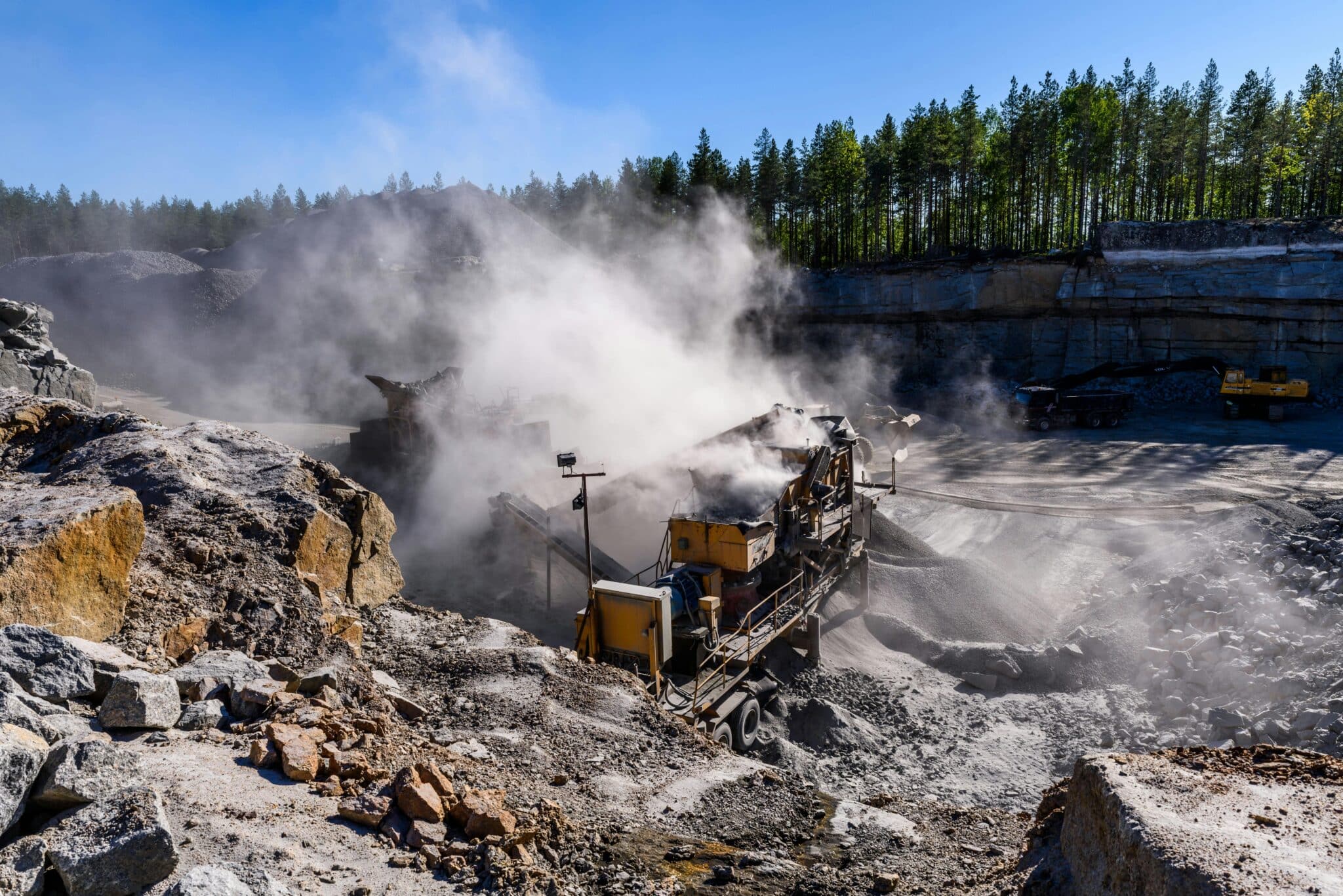
How Combustible Dust Testing Supports a Defensible Dust Hazard Analysis(DHA)
Learn how combustible dust testing supports a defensible Dust Hazard Analysis and drives safer, data-driven decisions in your facility.
Combustible Dust Hazard: Explosion Protection Strategies
Explosion protection strategies for combustible dust hazard, including containment, venting, and suppression per NFPA standards.

Mitigating Dust Hazards in Grain Handling Facilities
Learn how to manage dust explosion hazards in grain handling industries with key causes, regulations, and mitigation strategies.
Conducting Hazardous Area Classifications: A Step-by-Step Guide for Safer Operations
Learn how conducting hazardous area classifications help identify explosive atmospheres, control ignition sources, and ensure regulatory compliance.

Understanding Combustible Dust Fires and Explosions in Pharmaceutical Industry
Identify and mitigate combustible dust risks in pharmaceutical industry. Explore dust sources, hazards, safety controls, and compliance.
Combustible Dust Hazard: Management of Ignition Sources
Learn how to manage ignition risks in combustible dust environments with strategies for grounding, equipment, and ventilation.
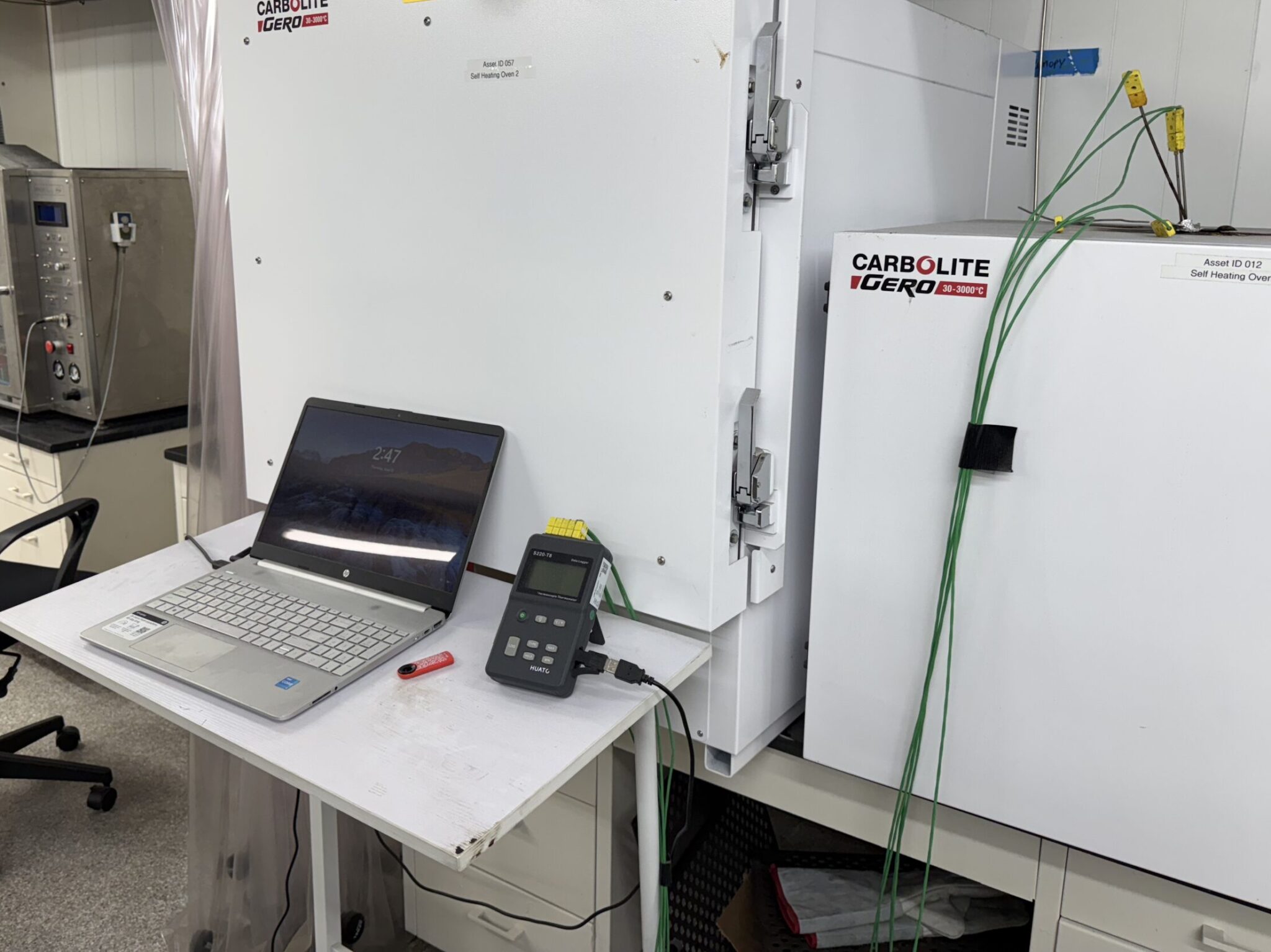
Understand the Basics of Self-Heating / Thermal Instability Testing
Basics of Self-Heating / Thermal Instability Testing: Key powder tests to identify fire risks and ensure safe handling and storage.
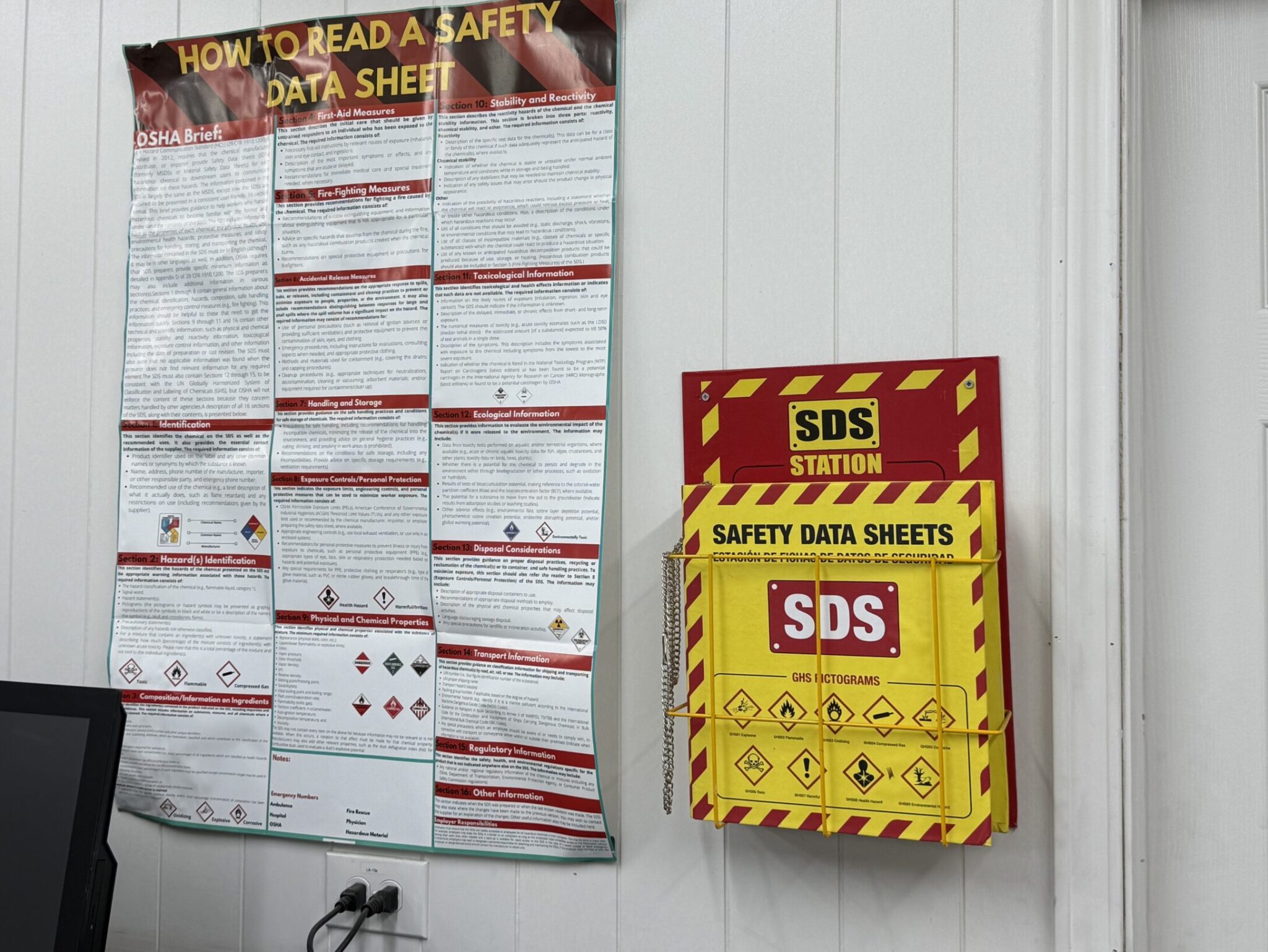
Testing Needed for Safety Data Sheet (SDS) Creation
An introduction to Safety Data Sheets (SDS), why they matter for chemical safety, and core concepts in SDS creation.