

WEBINAR: The Need for Combustible Dust Testing and Its Implications on Dust Hazard Analysis


WEBINAR: Optimize Your DHA: A Cost-Effective Hybrid Strategy

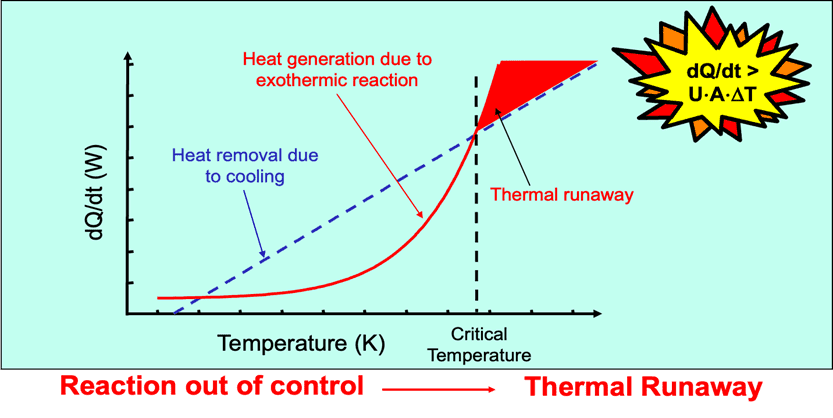
The Silent Threat: Unmasking Thermal Instability

Mark Your Calendars! Prime Process Safety Center to Present at Spring 25 + 21 GCPS in Dallas

NFPA 660: the New Combustible Dust Standards
NFPA 660 streamlines Combustible Dust NFPA standards by merging six documents. Learn key changes, compliance steps, and how to prepare.

UNDERSTANDING ELECTROSTATIC DISCHARGE TESTING
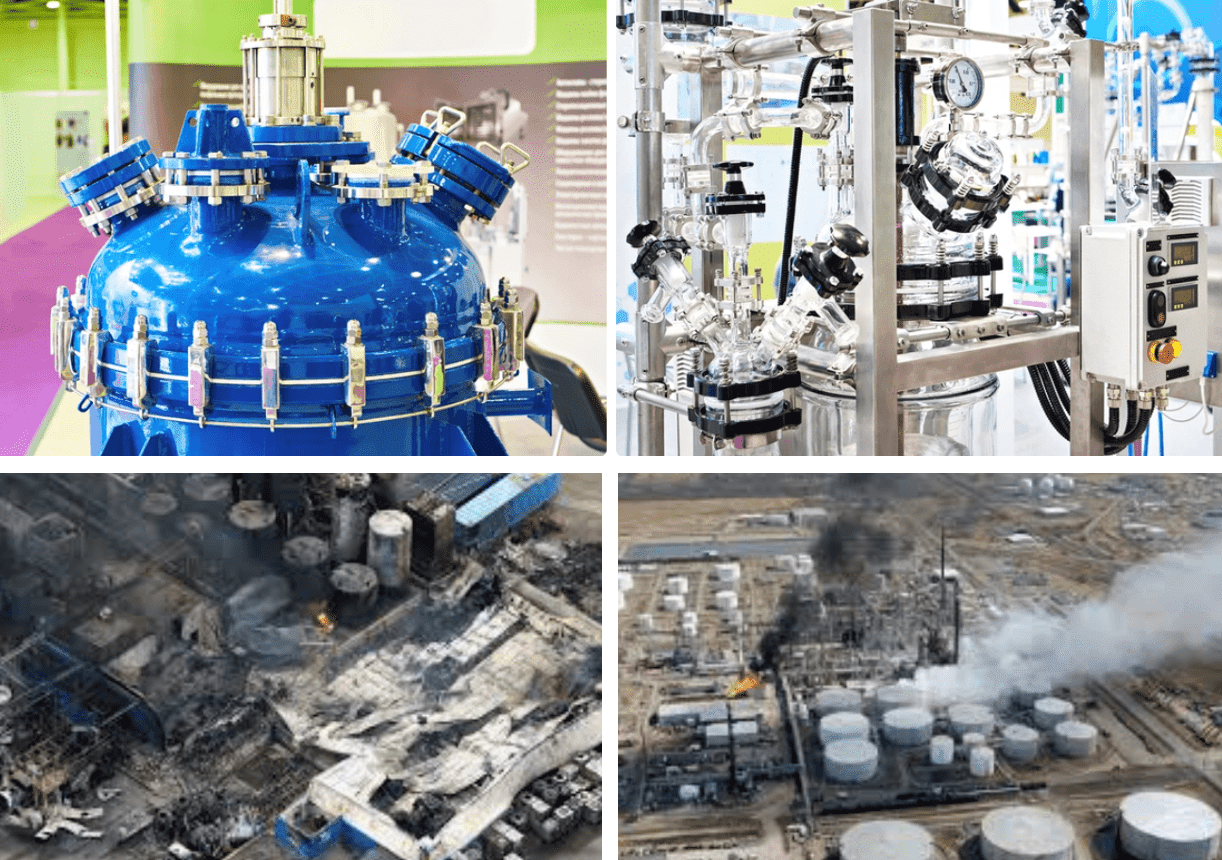
Reactive Chemical Hazards in Batch Reactions
Chemical reaction hazards in batch processes — common hazard types, real incident examples, and mitigation strategies.
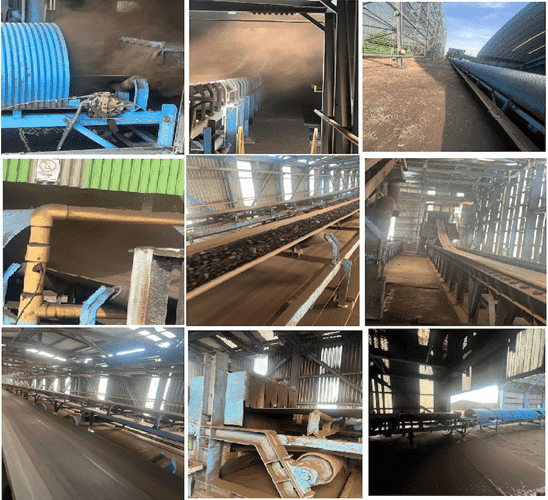
Combustible Dust Hazards in Coal Handling Facilities
This article covers combustible dust hazards in coal handling facilities and how to prevent explosions and protect workers.
Understanding Vent Sizing: The Essential Differences for Deflagration and Runaway Reactions
Learn the key differences between deflagration and runaway reaction vent sizing: methodologies, key parameters, and design principles.

Combustible Dust Cleaning: Requirements, Methods, and Best Practices
Learn how combustible dust cleaning reduces explosion risks through housekeeping, safe methods, training, and safety management.

Understanding Hazardous Area Classifications

Combustible Dust Hazards Associated with 3D Printing
Learn how Hazardous Area Classification (HAC) and rated electrical equipment help control combustible dust hazards in 3D printing.