

Combustible Dust Housekeeping: How to Build a Program That Prevents Secondary Explosions
A practical guide to dust accumulation limits, cleaning methods, inspections, PPE, and training
Why Housekeeping Belongs in the Dust Hazard Analysis
A dust fire needs fuel, oxygen, and an ignition source. A flash fire or deflagration also depends on a dispersed combustible dust cloud; confinement can allow damaging pressure to develop. Deposits on elevated surfaces are especially important because a pressure wave can disperse them throughout a room. The U.S. Chemical Safety Board traced the catastrophic 2008 Imperial Sugar event to releases from equipment, inadequate cleaning, and a cascade of secondary explosions. The incident killed 14 workers and injured 36.
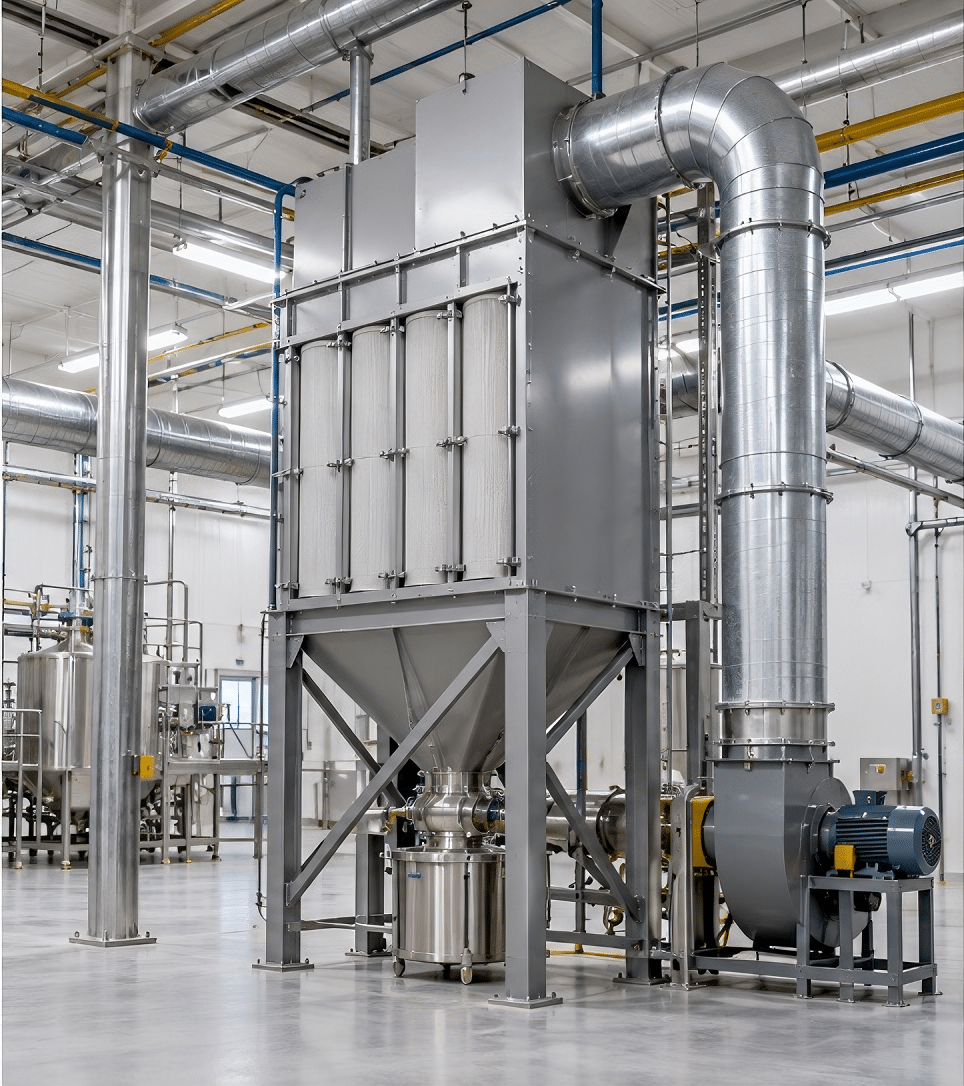
PPSC evaluates release points, dust collection, housekeeping, ignition sources, and building features through its Dust Hazard Analysis service. Housekeeping reduces available fuel, while equipment design and maintenance reduce new releases.
Start with Material and Site Data
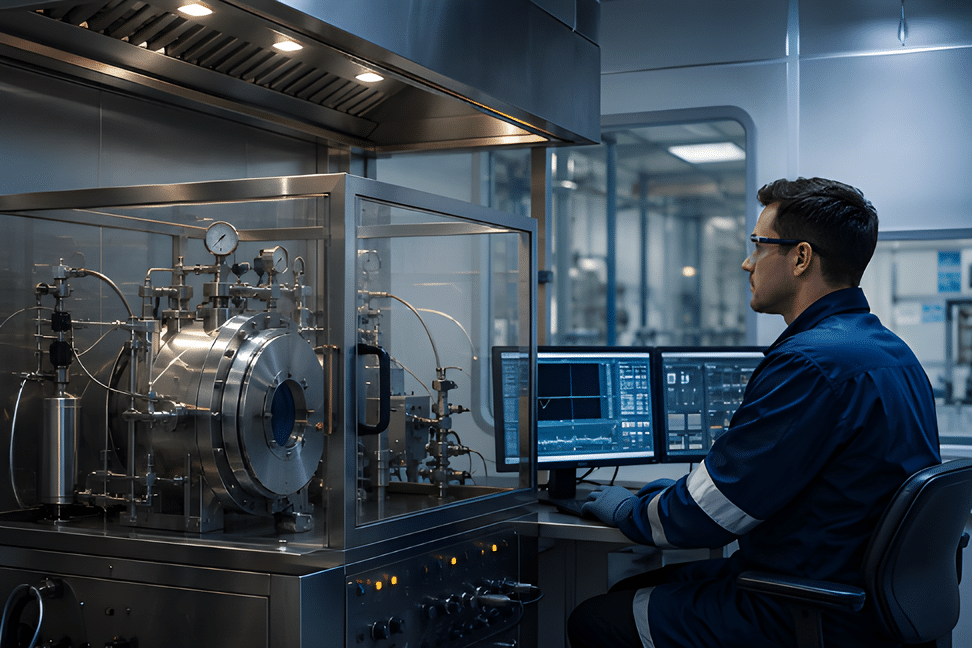
A cleaning schedule should be based on the dust actually present and the rate at which it accumulates. Identify all powders and byproducts, including fines produced by milling, transfer, drying, screening, and cleaning. Record bulk density, particle size and moisture where relevant. If explosibility or ignition sensitivity is uncertain, representative samples may need laboratory testing. PPSC’s testing capabilities can support the DHA with explosibility and ignition data, including Kst, Pmax, MEC, and MIE where appropriate.
Walk the site by area and operating state. Check bag dumps, conveyors, transfer points, dust collector discharges, equipment tops, beams, cable trays, ducts, suspended ceilings, and concealed spaces. Take consistent photographs at marked locations, measure deposit depth where safe, estimate coverage and mass, and record how quickly dust returns after cleaning.

Set a Site-Specific Accumulation Trigger
The familiar 1/32-inch layer is a historical screening benchmark, not a universal safe limit or an automatic cleaning frequency. Dust density, available area, overhead deposits, building geometry, and the applicable standard matter. A low-density dust can reach a hazardous mass at a different layer thickness than a dense dust. For illustration, the historical density-adjusted layer relationship gives 1/16 inch for a dust with bulk density 37.5 lb/ft³: (1/32 inch) × (75/37.5). This calculation alone does not establish that the room is safe.
A qualified evaluation can use a layer-depth approach, a mass approach, or a documented risk evaluation appropriate to the facility and the adopted code edition. The source procedure describes these alternatives under earlier NFPA 652/654 language. NFPA 660 (2025) consolidated those standards and several commodity standards; the applicable edition and any local adoption should be checked for each facility. PPSC can establish inspection and action levels through a DHA instead of applying one number to every process.
Build a Written Housekeeping Plan
- Assign ownership by area, shift, and task. Name the person who verifies completion and the supervisor who resolves recurring releases.
- Identify the surfaces to clean, including overhead and concealed locations, and define a safe method of access.
- Set routine and unscheduled cleaning triggers from measured accumulation rates and the DHA. Require prompt isolation and response to abnormal spills or visible dust clouds.
- Inspect after cleaning, document measurements and photos at representative points, and trend repeat findings.
- Fix leaks, failed seals, poor pickup, overflowing receptacles, and other causes of fugitive dust rather than relying on cleaning alone.
- Define waste containment, labeling, temporary storage, and disposal for the particular material, especially reactive or combustible metal dust.
Choose Cleaning Methods That Control Dust Clouds
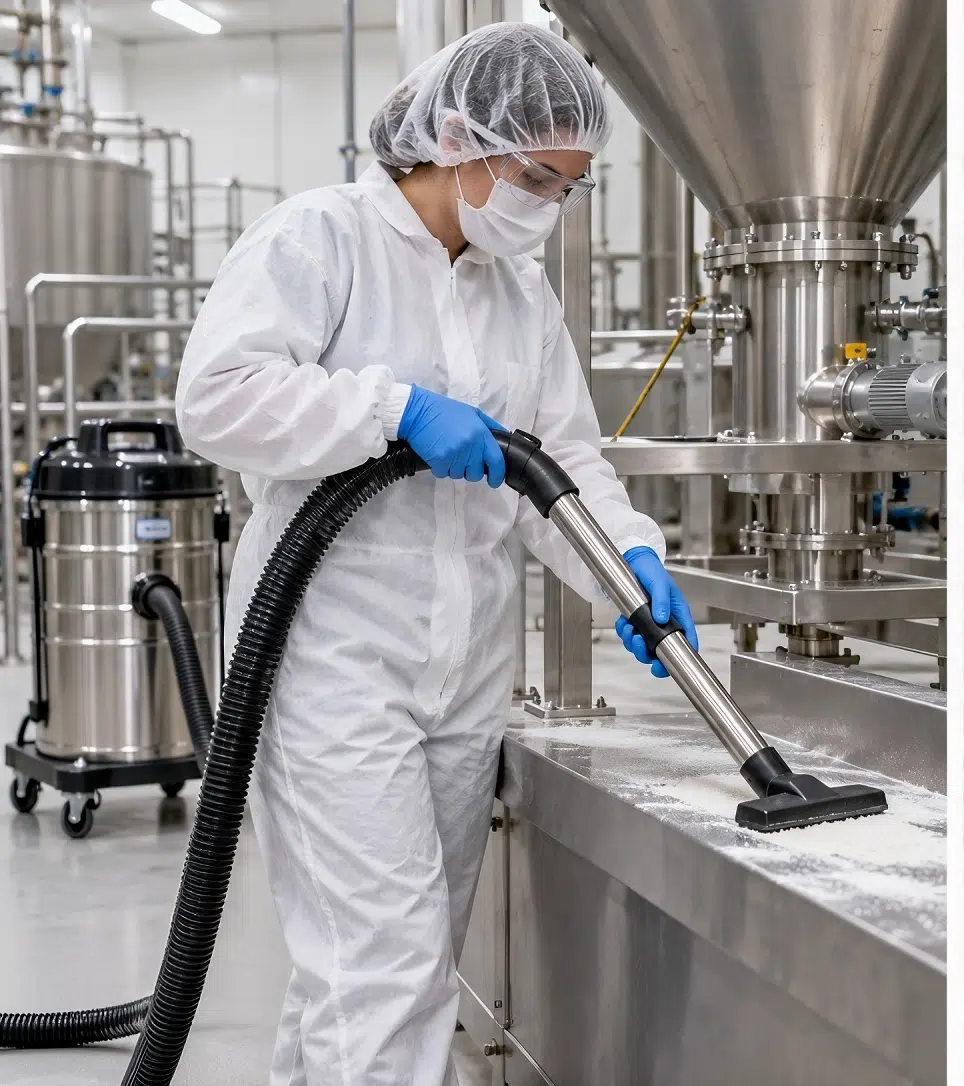
A correctly selected vacuum system is generally preferable to methods that disperse dust. Match portable or central equipment to the dust, the electrical classification, and the DHA. Review listing or approval where required, hose and tool conductivity, bonding and grounding, filtration, collection capacity, and the possibility of ignition inside the vacuum. Do not collect glowing embers or hot particles with a conventional dust vacuum. Metal dusts and materials that react with water need material-specific equipment and procedures.
Gentle sweeping or wet cleaning may be appropriate only after assessing cloud formation, material compatibility, slip hazards, and wastewater handling. Avoid routine compressed-air blowdowns: they can suspend deposits and relocate them onto elevated surfaces. Any exceptional blowdown should be controlled under the applicable standard and a documented site procedure, after accessible deposits and ignition sources have been addressed. Never treat a nominal air-pressure limit as proof that a blowdown is safe.
Integrate Electrical Classification, PPE, and Training
Housekeeping records can inform a hazardous area classification, but dust depth alone does not determine Class II Division 1 or Division 2 boundaries. Release frequency, normal and abnormal operating conditions, ventilation, material properties, and equipment design must be reviewed. PPSC can coordinate this assessment through its hazardous area classification and electrostatic hazard services.
Explore PPSC’s hazardous area classification and electrostatic hazard assessment services.
Select eye protection, protective clothing, gloves, and respiratory protection from the task and exposure assessment. Where respirators are required, use the applicable respiratory protection program, including fit testing and training. Evaluate flame-resistant clothing where a flash-fire exposure is credible. Train operators, contractors, maintenance personnel, and cleaners to recognize deposits, report releases, use the specified equipment, avoid ignition sources, and respond to smoldering material without dispersing dust.
Keep the Program Effective Over Time
Review inspection trends at regular intervals. Revisit the DHA and cleaning plan after changes in powder supplier or formulation, particle size, production rate, equipment, ventilation, dust collection, or cleaning equipment. Investigate fires, collector events, and near misses. A work-permit process should address intrusive maintenance and hot work in dusty areas. Management should verify that assigned cleaning can actually be completed within the allotted time and that recurring dust is corrected at its source.
How Prime Process Safety Center can help
PPSC can survey dust release and accumulation points, evaluate housekeeping within a facility-specific DHA, recommend cleaning methods and inspection triggers, assess electrostatic and electrical ignition risks, and support employee training. Its laboratory testing can help characterize materials where existing data are inadequate. The result is a practical program linked to the dust, equipment, people, and building at your site.
For assistance, request a quote or call (346) 462-3838. Read PPSC’s related combustible dust housekeeping article and combustible dust hazard training page.
Frequently asked questions
Is 1/32 inch always the allowable dust depth?
No. It is a screening reference from earlier guidance. The material, deposit area and mass, building, applicable standard, and DHA determine appropriate action levels.
Are elevated surfaces part of housekeeping?
Yes. Beams, equipment tops, cable trays, ducts, and concealed spaces can supply dust for a secondary event.
Related Blogs
Combustible Dust Housekeeping: How to Build a Program That Prevents Secondary Explosions
Understand the conditions that lead to gas and vapor explosions, common industrial scenarios, and how facilities can reduce the risk.

Basket Self-Heating and Scale-Up Testing
Understand the conditions that lead to gas and vapor explosions, common industrial scenarios, and how facilities can reduce the risk.

How to Prevent Dust Explosions and Meet NFPA 660 Requirements
Understand the conditions that lead to gas and vapor explosions, common industrial scenarios, and how facilities can reduce the risk.
Flammability Testing Services
Understand the conditions that lead to gas and vapor explosions, common industrial scenarios, and how facilities can reduce the risk.

Building a Combustible Dust Safety Program
Understand the conditions that lead to gas and vapor explosions, common industrial scenarios, and how facilities can reduce the risk.

ATEX vs IECEx Hazardous Area Classification
Understand the conditions that lead to gas and vapor explosions, common industrial scenarios, and how facilities can reduce the risk.
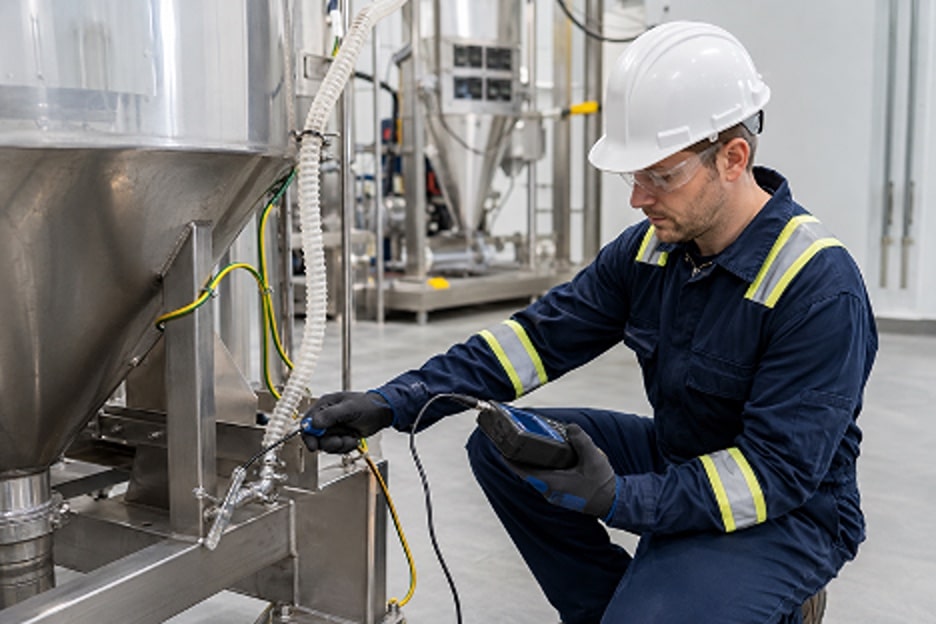
Protect Against Electrostatic Hazards
Understand the conditions that lead to gas and vapor explosions, common industrial scenarios, and how facilities can reduce the risk.
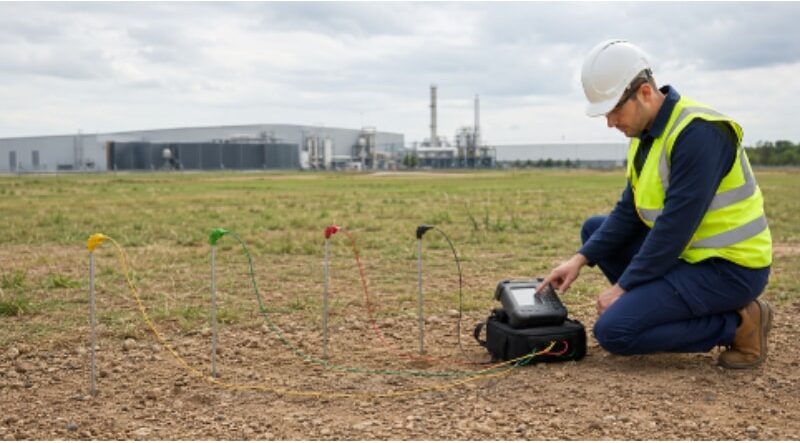
Soil Resistivity Information and Field Testing
Understand the conditions that lead to gas and vapor explosions, common industrial scenarios, and how facilities can reduce the risk.

SDS Creation and Physical Property Testing
Understand the conditions that lead to gas and vapor explosions, common industrial scenarios, and how facilities can reduce the risk.

UN/DOT HAZARDOUS MATERIALS TESTING
Understand the conditions that lead to gas and vapor explosions, common industrial scenarios, and how facilities can reduce the risk.

Thermal Stability Testing
Understand the conditions that lead to gas and vapor explosions, common industrial scenarios, and how facilities can reduce the risk.

Combustible Dust Hazard Identification and the Dust Hazard Analysis (DHA)
Understand the conditions that lead to gas and vapor explosions, common industrial scenarios, and how facilities can reduce the risk.