

Table of Contents
- What makes a dust hazardous
- The dust explosion pentagon
- Why a small explosion becomes major
- Which combustible dust tests you need
- Electrostatic hazards in powder handling
- What NFPA 660 means for your facility
- Seven signs to review dust hazards
- From testing to prevention
- Frequently asked questions
- Talk with Prime Process Safety Center
- Related resources
How to Prevent Dust Explosions and Meet NFPA 660 Requirements
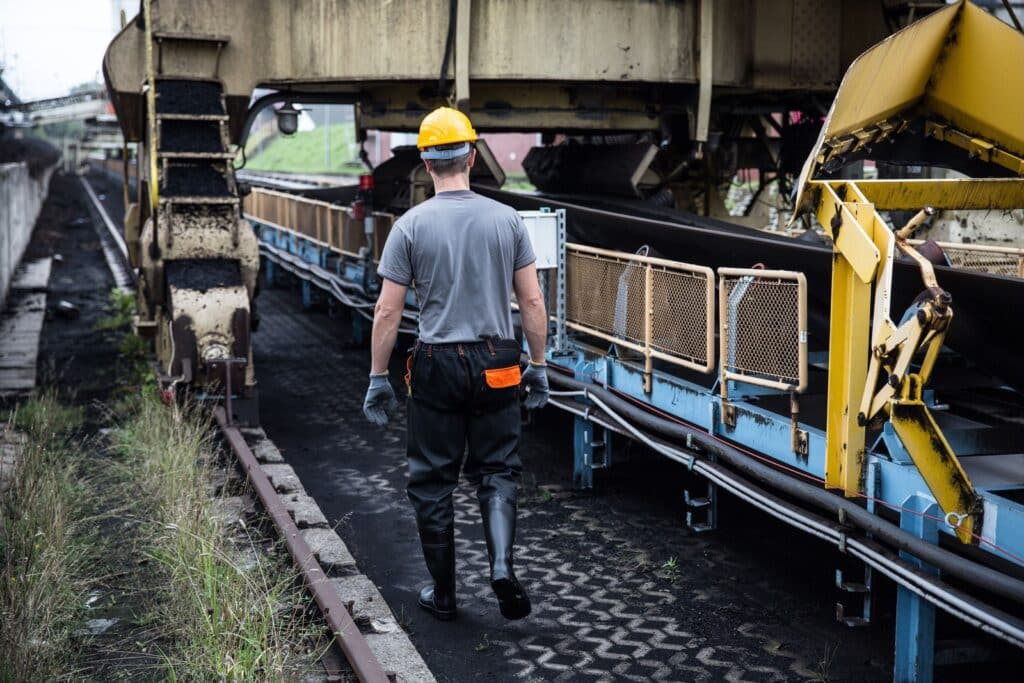
Combustible dust testing and a facility specific Dust Hazard Analysis help turn an uncertain hazard into a practical prevention plan.
Flour, sugar, wood dust, plastic powder, aluminum fines and pharmaceutical ingredients can present fire or explosion hazards as fine particles. A process may look clean from outside while a dust collector, mill or conveyor contains a suspended dust cloud. The U.S. Chemical Safety and Hazard Investigation Board identified 281 combustible dust incidents from 1980 through 2005, causing 119 deaths and 718 injuries.
At Prime Process Safety Center, we connect combustible dust testing with a Dust Hazard Analysis (DHA) so that test results guide decisions about equipment, ignition control, housekeeping and explosion protection.
What makes a dust hazardous
A material’s name or safety data sheet does not tell the whole story. Particle size, shape, moisture, composition and the conditions in which dust becomes airborne affect ignition and explosion behavior. The fines captured by a collector can differ substantially from the incoming bulk material. Prime Process Safety Center helps clients select representative samples and tests suited to their engineering questions.
The dust explosion pentagon
A dust explosion requires combustible dust, an oxidizer, an ignition source, dispersion and confinement. Air usually supplies oxygen, while equipment or a building provides confinement. Credible ignition sources include electrostatic discharge, hot bearings, friction, hot surfaces, electrical faults and burning material entering a collector. A DHA evaluates where these elements may coincide during normal operation, startup, shutdown, cleaning and foreseeable upsets.
Why a small explosion can become a major event
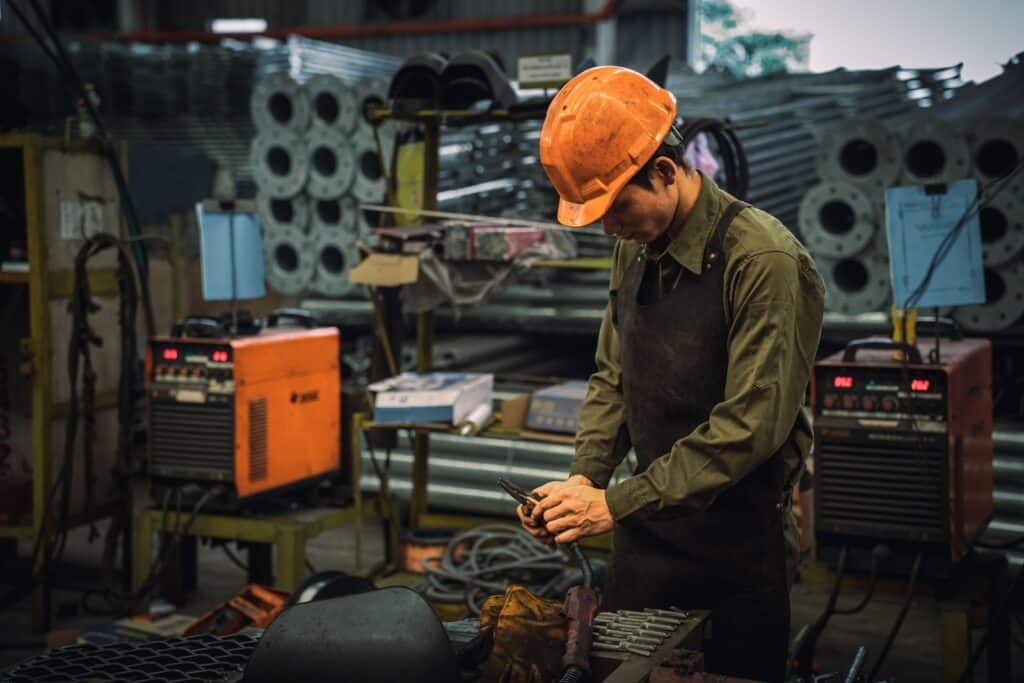
A primary explosion inside a collector or conveyor can release pressure and flame, disturbing dust deposited on floors, beams and equipment. If that dust becomes airborne and ignites, a secondary explosion can spread through a larger area. In the 2008 Imperial Sugar disaster, the CSB found that an initial conveyor event likely dislodged sugar dust and contributed to secondary explosions. Fourteen workers died. Combustible dust housekeeping is therefore a central prevention measure.

Which combustible dust tests do you need
A useful testing program begins with the decision the facility must make. Prime Process Safety Center evaluates explosibility, explosion severity and ignition sensitivity. Results should represent the material and process conditions being assessed.
| Test or Property | Engineering Question |
|---|---|
| Go/No-Go screening | Can the submitted dust propagate a deflagration under the test conditions? |
| Kst | How rapidly can explosion pressure rise? |
| Pmax | What maximum explosion pressure develops in the test? |
| MIE | How sensitive is a dust cloud to an electrical or electrostatic spark? |
| MEC | What minimum suspended concentration supports deflagration? |
| Cloud ignition temperature | At what tested temperature can a dust cloud ignite? |
| Layer ignition temperature | At what tested hot-surface temperature can a dust layer ignite? |
| LOC | What oxygen concentration limits deflagration under test conditions? |
A negative Go/No-Go result for one sample does not establish that all forms of the material are safe. It may still burn as a layer, self-heat or become more hazardous when processing creates finer particles. Kst alone does not establish whether static electricity, hot surfaces or accumulated dust present credible hazards.
Electrostatic hazards in powder handling
Pneumatic conveying, FIBC filling, sieving, blending and transfer through flexible hoses can generate charge. MIE testing helps determine a dust cloud’s spark sensitivity. Prime Process Safety Center can use those results in an electrostatic hazard assessment of conductive equipment, bonding, grounding, insulating parts, containers, FIBCs and personnel. Thermal and mechanical ignition sources require separate evaluation.
What NFPA 660 means for your facility
NFPA 660, Standard for Combustible Dusts and Particulate Solids, provides a consolidated framework for managing combustible dust fire and explosion hazards. It connects material hazard information with equipment design, a documented DHA, safeguards, procedures and continuing hazard management.
A facility specific DHA by Prime Process Safety Center may address receiving, storage, transfer, grinding, drying, blending, packaging, dust collection, interconnected equipment, deposits, ignition sources, explosion protection, deflagration isolation, maintenance and management of change. The report identifies credible scenarios, documents safeguards and prioritizes practical recommendations.
Seven signs your facility should review dust hazards
- Dust accumulates outside equipment: Escaping dust can fuel a secondary event, especially on elevated surfaces.
- A collector handles combustible material: Review its location, construction, protection, exhaust and connected equipment.
- Test reports omit sample condition: Particle size, moisture and preparation determine how well results represent operations.
- Powder travels through insulating parts: Flexible hoses and containers may warrant electrostatic assessment.
- Grinding or drying changes the material: New fines can differ substantially from incoming bulk material.
- Explosibility is unknown: Representative tests can establish the technical basis for decisions.
- Equipment or materials have changed: A new collector, transfer route or formulation can alter the hazard basis.
From testing to prevention
Prime Process Safety Center begins with the materials and process: identify powders and fines, conditions that generate dust clouds, and equipment where material collects. Representative tests then support the DHA. Its findings guide dust containment and cleaning, ignition control, equipment protection and isolation. Inspection, maintenance, procedures and management of change keep the resulting controls effective as operations evolve.
Frequently asked questions
Talk with Prime Process Safety Center
To discuss combustible dust testing or a Dust Hazard Analysis, call (346) 462-3838 or email info@primeprocesssafety.com.
Related Blogs

How to Prevent Dust Explosions and Meet NFPA 660 Requirements
Understand the conditions that lead to gas and vapor explosions, common industrial scenarios, and how facilities can reduce the risk.
Flammability Testing Services
Understand the conditions that lead to gas and vapor explosions, common industrial scenarios, and how facilities can reduce the risk.

Building a Combustible Dust Safety Program
Understand the conditions that lead to gas and vapor explosions, common industrial scenarios, and how facilities can reduce the risk.

ATEX vs IECEx Hazardous Area Classification
Understand the conditions that lead to gas and vapor explosions, common industrial scenarios, and how facilities can reduce the risk.
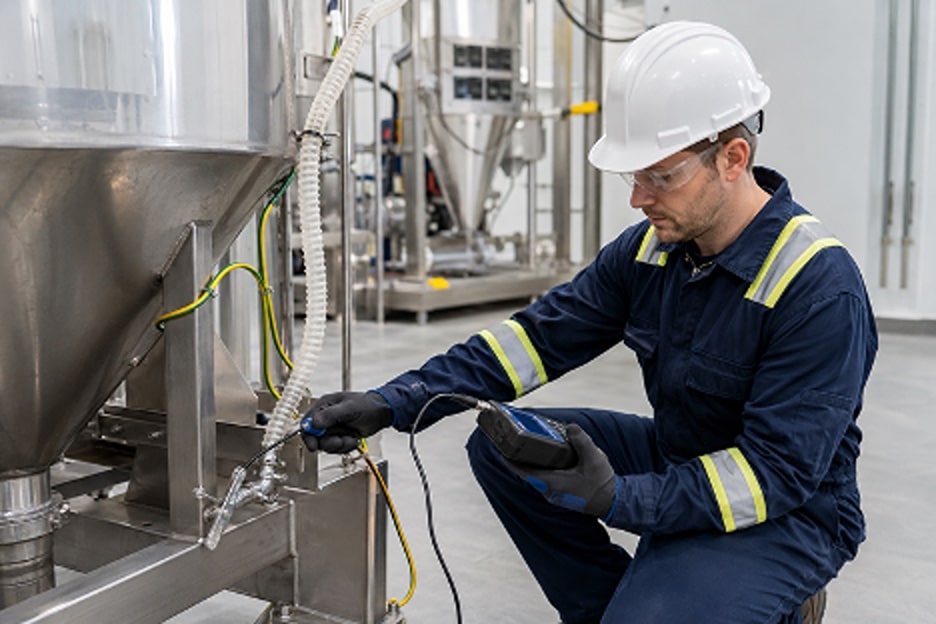
Protect Against Electrostatic Hazards
Understand the conditions that lead to gas and vapor explosions, common industrial scenarios, and how facilities can reduce the risk.
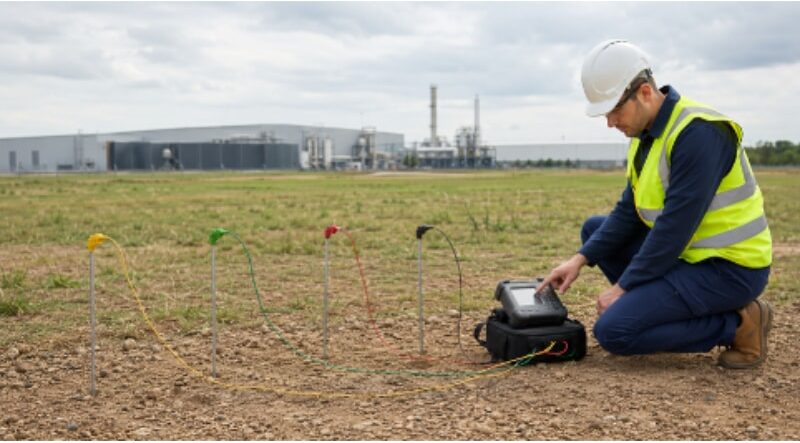
Soil Resistivity Information and Field Testing
Understand the conditions that lead to gas and vapor explosions, common industrial scenarios, and how facilities can reduce the risk.

SDS Creation and Physical Property Testing
Understand the conditions that lead to gas and vapor explosions, common industrial scenarios, and how facilities can reduce the risk.

UN/DOT HAZARDOUS MATERIALS TESTING
Understand the conditions that lead to gas and vapor explosions, common industrial scenarios, and how facilities can reduce the risk.

Thermal Stability Testing
Understand the conditions that lead to gas and vapor explosions, common industrial scenarios, and how facilities can reduce the risk.

Combustible Dust Hazard Identification and the Dust Hazard Analysis (DHA)
Understand the conditions that lead to gas and vapor explosions, common industrial scenarios, and how facilities can reduce the risk.

Chemical Reaction Hazard Testing & Reactive Chemical Services
Understand the conditions that lead to gas and vapor explosions, common industrial scenarios, and how facilities can reduce the risk.
ASTM Testing Services
Understand the conditions that lead to gas and vapor explosions, common industrial scenarios, and how facilities can reduce the risk.