

Table of Contents
- What is the Difference Between ATEX and IECEx
- Gas and Vapor Zones 0, 1 and 2
- What Determines the Extent of a Classified Area
- Combustible Dust Zones 20, 21 and 22
- How PPSC Performs a Hazardous Area Classification
- Gas Groups, Dust Groups and Temperature Limits
- Classification Does Not Eliminate Other Ignition Sources
- When Should a Classification Be Reviewed
- What Should the HAC Report Contain
- Frequently Asked Questions
- Request a PPSC Hazardous Area Classification
BUILDING A COMBUSTIBLE DUST SAFETY PROGRAM
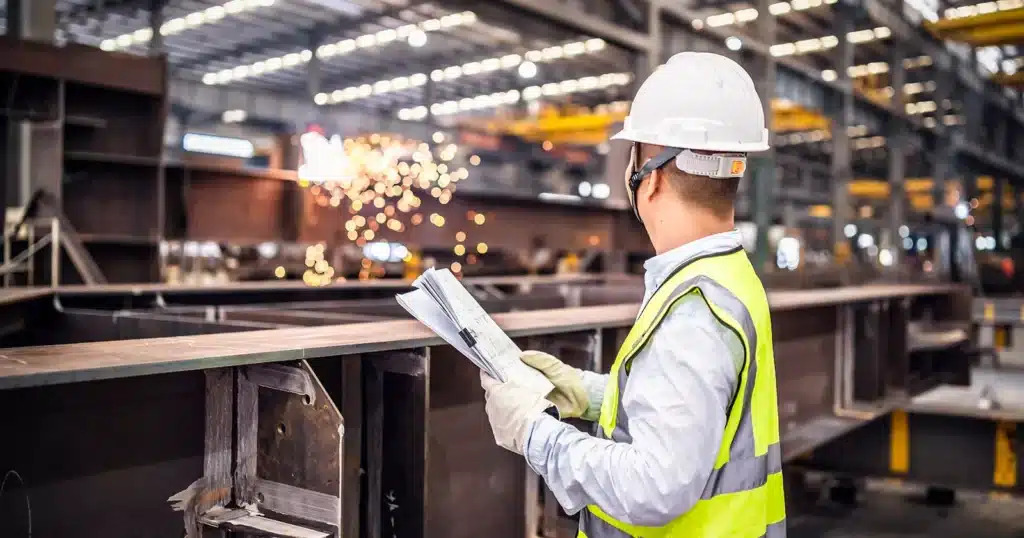
A practical guide to hazard analysis, testing, housekeeping, ignition control and employee training.
Prime Process Safety Center (PPSC) helps operators build the connection between material properties and facility equipment through laboratory testing, Dust Hazard Analysis (DHA), engineering recommendations and training.
Executive Summary
A combustible dust safety program should connect the properties of each material to the actual equipment, work practices and safeguards at a facility. While a written awareness policy is valuable, a defensible program also needs representative test data, a facility-specific dust hazard analysis, effective controls, assigned actions and periodic review.
Why Small Dust Releases Can Become Major Events
A dispersed combustible dust cloud can ignite when a capable ignition source is present. Oxygen, fuel, dispersion, confinement and ignition are commonly illustrated as the dust explosion pentagon. Confinement increases pressure damage in a vessel, duct or building, while an unconfined dust cloud can still create a dangerous flash fire. A primary event in a collector, silo or process enclosure may disturb settled dust and feed a larger secondary event elsewhere in the building.
This is why a program must look beyond the visible process. Dust can settle on rafters, cable trays, equipment tops and concealed surfaces, then become airborne during a disturbance. Food ingredients, wood, polymers, pharmaceuticals, agricultural products and many metal powders may present combustible dust hazards. The behavior of a particular sample depends on its composition, particle size, moisture and process conditions; generic material lists do not establish its explosibility.

Start with Material Characterization and Representative Testing
The first technical question is whether the material handled in its relevant process form can burn or explode. PPSC’s combustible dust testing services support screening and characterization, including explosion severity (Kst and Pmax), minimum explosible concentration (MEC), minimum ignition energy (MIE), ignition temperature and limiting oxygen concentration (LOC), as appropriate to the hazard question. A test plan should consider fines generated during grinding, conveying, collection and recycling, since they may differ from the incoming bulk material.
No universal dust concentration, visible cloud rule or fixed layer thickness can reliably establish safety. Results and their sample preparation need to be interpreted against the process, equipment, enclosure geometry and credible operating conditions.
Summary of Combustible Dust Testing Methods
| Test Parameter | Primary Property Evaluated | Key Operational Benefit |
|---|---|---|
| Explosion Severity (Kst & Pmax) | Explosive pressure and rate of pressure rise | Guides structural design and explosion venting/suppression requirements |
| Minimum Ignition Energy (MIE) | Sensitivity to electrostatic and electrical sparks | Informs grounding, bonding, and personnel static control measures |
| Minimum Explosible Concentration (MEC) | Lowest dust cloud concentration that can propagate an explosion | Defines housekeeping and dust collection cleanliness targets |
| Limiting Oxygen Concentration (LOC) | Maximum oxygen level to prevent ignition | Supports inerting and purge system design for vessels |
| Dust Cloud Ignition Temperature | Thermal sensitivity against hot surfaces | Establishes safe maximum surface and operating temperatures |
Table 1. Overview of core laboratory tests for combustible dust safety evaluation.
Conduct a Facility-Specific Dust Hazard Analysis (DHA)
A DHA follows the material through receipt, storage, transfer, processing, collection, waste handling and cleaning. The team identifies places where dust layers, clouds or deposits can form; credible ignition sources; possible fire, flash fire and explosion scenarios; existing safeguards; and actions needed to close gaps. Dust collectors, cyclones, filters, ducts, bins, dryers and enclosed conveyors deserve particular attention, along with the ways an event could propagate between equipment and occupied areas.
PPSC’s DHA service includes site observation, review of dust characteristics and test data, evaluation of ignition sources and existing protection, and practical recommendations. The resulting action register should assign owners, priorities and completion evidence. Revisit the assessment after material, process, collector or building changes and at the intervals applicable to the governing standard and facility program.
Control Dust Release and Accumulation
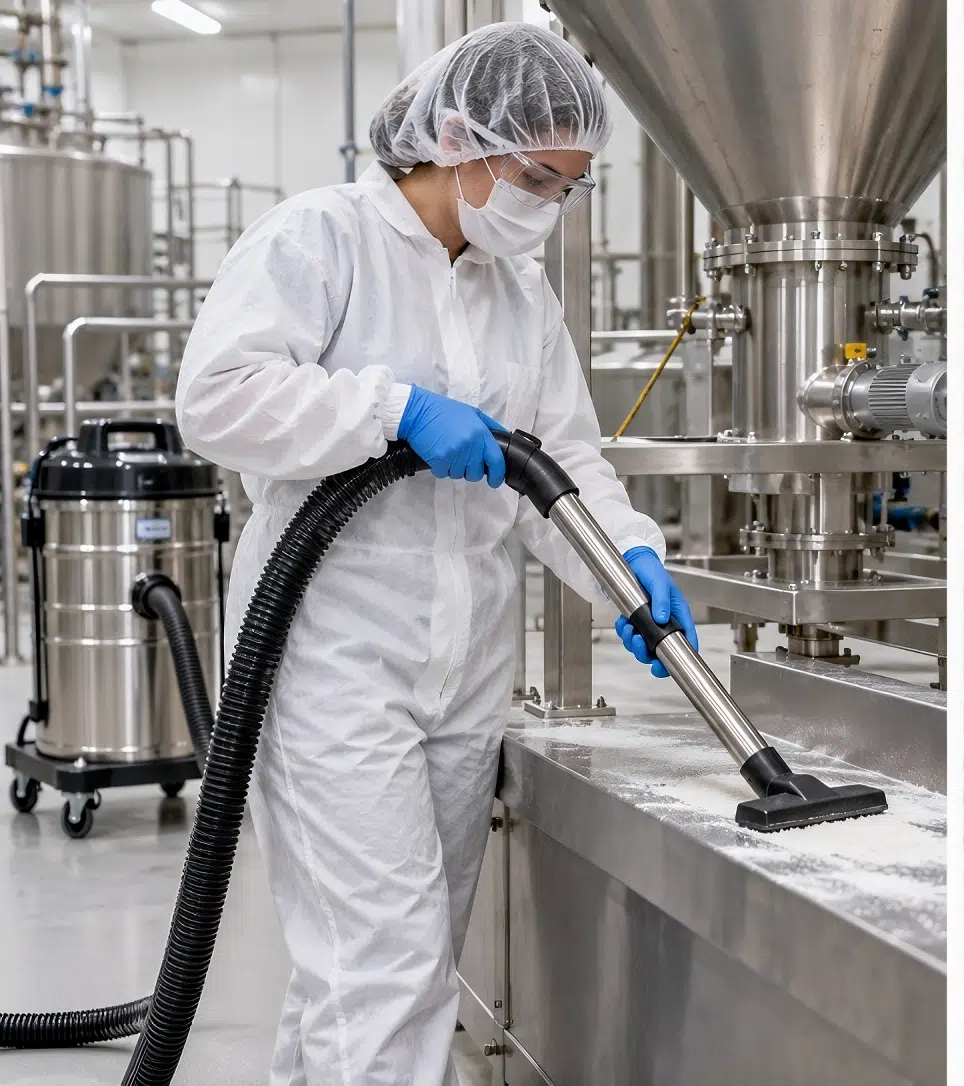
Housekeeping starts at the source: maintain enclosures and seals, correct leaking transfer points, keep capture systems operating as designed and inspect likely deposition surfaces. Set cleaning frequencies based on observed accumulation and the facility’s DHA. Include elevated and hidden surfaces in the inspection route, and record recurring leaks so they receive permanent correction.
Select cleaning equipment and methods for the material and the classified area. Compressed air or aggressive sweeping can disperse settled dust and should not be routine substitutes for suitable dust collection or vacuum methods. Vacuum equipment, hoses, bonding and electrical equipment should be evaluated for the dust hazard and location. PPSC can help translate observed deposits into a documented housekeeping program with responsibilities, inspection records and escalation triggers.
Manage Ignition Sources and Protective Systems
Ignition controls need to address hot work, hot bearings and surfaces, mechanical friction and impact, electrical equipment, static discharge, smoking and smoldering material. Verify that bonding, grounding, maintenance, hot work controls and equipment selection fit the actual process. Electrostatic risk is especially relevant during powder pouring, pneumatic transfer, FIBC handling and filtration; the necessary controls depend on material sensitivity and equipment configuration.
Where prevention alone does not reduce risk adequately, the DHA should assess explosion venting, suppression, isolation, containment or other appropriate protection, including the discharge location and interaction among connected vessels. Select and design these safeguards using the applicable codes, test data and equipment conditions. A dust collector’s presence alone does not mean the connected process is protected.

Train Employees and Keep the Program Current
Operators, maintenance staff, cleaners and contractors should understand where dust is generated, what changes require escalation, how to report leaks or deposits, which cleaning methods are approved, and how hot work and abnormal conditions are controlled. Training should reflect actual equipment and procedures, with records and refresher instruction when work changes. Include inspection findings, near misses, maintenance failures and DHA actions in management reviews so the written program stays aligned with the plant.
PPSC can connect combustible dust training to the site’s material data, DHA findings and operating procedures. The goal is a program that workers can use during daily operation and that engineers can update as the facility evolves.
Frequently Asked Questions
- Does every dust need the same tests? No. The selection depends on the material, process and decision being made. Initial screening may establish whether a sample presents an explosibility concern, while severity and ignition sensitivity data support specific safeguard decisions.
- Can housekeeping replace explosion protection? Housekeeping reduces the potential for dust accumulation and secondary events, but it does not address every explosion scenario inside enclosed process equipment. The DHA determines which prevention and protection layers are needed.
- When should a DHA be updated? Review it when materials, operating conditions, equipment, building layout or safeguards change, and on the applicable periodic schedule. Verify that actions from prior reviews were implemented and remain effective.
How Prime Process Safety Center Can Help
PPSC provides an integrated path from representative combustible dust testing to facility DHA, control recommendations, housekeeping and ignition source review, and workforce training. To discuss a program or request a proposal, contact PPSC at (346) 462-3838 or info@primeprocesssafety.com.
Related Blogs
Combustible Dust Housekeeping: How to Build a Program That Prevents Secondary Explosions
Understand the conditions that lead to gas and vapor explosions, common industrial scenarios, and how facilities can reduce the risk.

Basket Self-Heating and Scale-Up Testing
Understand the conditions that lead to gas and vapor explosions, common industrial scenarios, and how facilities can reduce the risk.

How to Prevent Dust Explosions and Meet NFPA 660 Requirements
Understand the conditions that lead to gas and vapor explosions, common industrial scenarios, and how facilities can reduce the risk.
Flammability Testing Services
Understand the conditions that lead to gas and vapor explosions, common industrial scenarios, and how facilities can reduce the risk.

Building a Combustible Dust Safety Program
Understand the conditions that lead to gas and vapor explosions, common industrial scenarios, and how facilities can reduce the risk.

ATEX vs IECEx Hazardous Area Classification
Understand the conditions that lead to gas and vapor explosions, common industrial scenarios, and how facilities can reduce the risk.
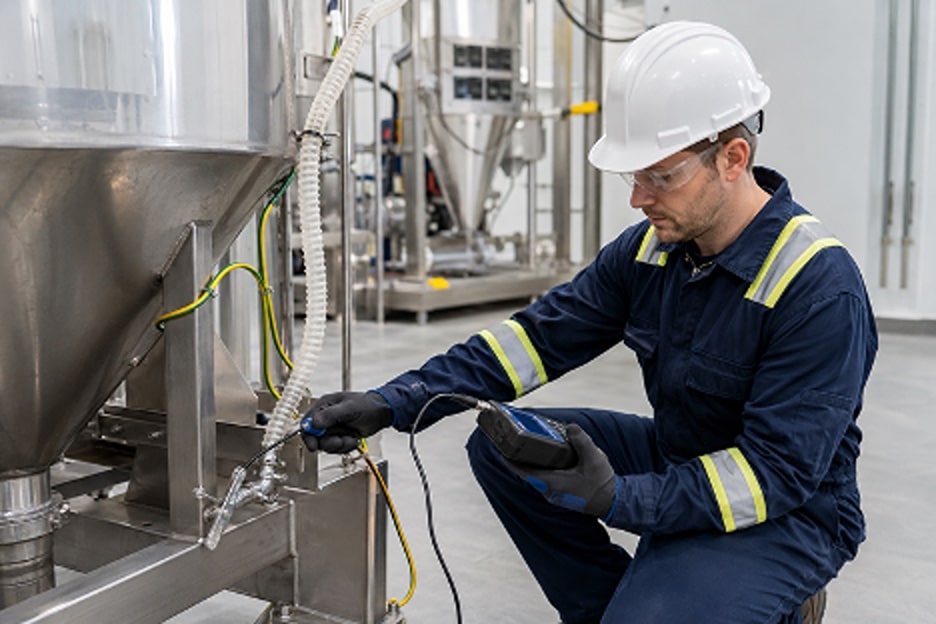
Protect Against Electrostatic Hazards
Understand the conditions that lead to gas and vapor explosions, common industrial scenarios, and how facilities can reduce the risk.
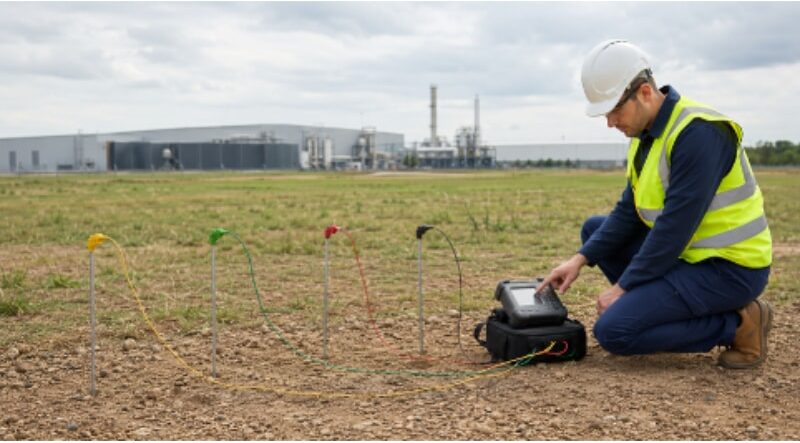
Soil Resistivity Information and Field Testing
Understand the conditions that lead to gas and vapor explosions, common industrial scenarios, and how facilities can reduce the risk.

SDS Creation and Physical Property Testing
Understand the conditions that lead to gas and vapor explosions, common industrial scenarios, and how facilities can reduce the risk.

UN/DOT HAZARDOUS MATERIALS TESTING
Understand the conditions that lead to gas and vapor explosions, common industrial scenarios, and how facilities can reduce the risk.

Thermal Stability Testing
Understand the conditions that lead to gas and vapor explosions, common industrial scenarios, and how facilities can reduce the risk.

Combustible Dust Hazard Identification and the Dust Hazard Analysis (DHA)
Understand the conditions that lead to gas and vapor explosions, common industrial scenarios, and how facilities can reduce the risk.