
We also offer
What Is a Hazard Identification and Risk Assessment (HIRA)?
Hazard Identification and Risk Assessment (HIRA) is a structured process used to identify potential hazards and assess risks in industrial operations—especially in environments involving hazardous chemicals, complex equipment, and dynamic processes. It plays a foundational role in process safety management by helping organizations recognize, evaluate, and control operational risks before they lead to accidents like chemical spills, fires, explosions, or toxic releases.

Why Conduct a Hazard Identification and Risk Assessment (HIRA)?
Performing a HIRA offers numerous safety and operational benefits:
-
Proactively manage safety risks in chemical processing and industrial operations
-
Prevent catastrophic incidents by identifying hazards early
-
Prioritize risk mitigation efforts based on severity and likelihood
-
Ensure compliance with OSHA, EPA, and international safety standards
-
Protect workers, facilities, and the environment
-
Promote a strong safety culture and employee involvement
-
Support continuous improvement in your process safety system
Whether you’re introducing new processes, expanding operations, or aiming to improve safety performance, HIRA is a critical step in safeguarding your facility.
What Does a Hazard Identification and Risk Assessment (HIRA) Involve?
At Prime Process Safety Center, we follow a proven, systematic approach to HIRA that includes the following steps:
1. Define the Scope
Clearly outline the boundaries of the assessment—process units, equipment, chemicals, or procedures involved.
2. Assemble a Multidisciplinary Team
Bring together experts from process engineering, operations, safety, and maintenance to ensure a well-rounded analysis.
3. Collect and Analyze Data
Gather process flow diagrams, safety data sheets (SDS), historical incidents, and standard operating procedures to understand context and risks.
4. Identify Hazards
Pinpoint hazards associated with chemicals, equipment malfunctions, human error, or external events.
5. Assess Risk
Use qualitative or quantitative tools to evaluate the likelihood and severity of each hazard’s impact on people, environment, and assets.
6. Prioritize Risks
Rank risks to focus on high-impact issues and guide resource allocation.
7. Develop Mitigation Strategies
Recommend engineering controls, administrative procedures, and personal protective equipment (PPE) to reduce risks.
8. Implement Controls
Apply the proposed solutions and ensure personnel are trained to follow revised protocols.
9. Document the Process
Maintain clear records of identified hazards, assessed risks, mitigation actions, and team decisions.
10. Review and Update
Reassess your HIRA regularly—especially after changes in equipment, materials, or processes—to stay current and effective.
Using Laboratory Data for Hazard Assessments
Many safety reviews rely entirely on standard safety data sheets to score risks. This practice creates significant operational blind spots. At Prime Process Safety Center, we refuse to build risk matrices on generic assumptions. We feed physical laboratory test results into your hazard identification and assessment. Testing your specific materials reveals exact flammability limits and thermal instability thresholds. This hard data replaces guesswork and makes the resulting evaluations highly accurate for your engineering team.
Mapping Intersecting Industrial Risks
Manufacturing facilities rarely face one isolated threat. A thorough evaluation must account for how different elements interact on the plant floor. Our safety consulting services map these complex intersections to stop localized failures from escalating. We carefully examine several overlapping risk scenarios during a site review.
- Combining bulk powder transfers with nearby flammable vapor zones.
- Storing reactive chemicals adjacent to high-heat equipment.
- Generating static electricity during rapid material movement.
- Positioning occupied administrative offices near pressurized reactors.
Translating Findings Into Equipment Controls
A risk assessment should help facilities identify practical ways to reduce hazards. Our engineers use findings from your hazard identification and assessment to recommend engineering controls based on your equipment and operating conditions.
- Recommending explosion venting systems for specific vessel sizes.
- Establishing inerting parameters for flammable liquid storage tanks.
- Defining electrical classification zones across production areas.
- Setting safe material transfer speeds to minimize static charge buildup.
Project Scoping and Custom Quotes
Pricing for a comprehensive safety review depends heavily on facility size and the required volume of material testing. Every manufacturing plant features unique operational parameters and spatial limits. An engineer from Prime Process Safety Center will review your process flow diagrams before providing a custom estimate. We define all necessary laboratory testing and consulting phases upfront so plant leadership can manage budgets effectively. Contact our team today to request a quote and schedule an evaluation of your site.

Why Hazard Identification and Risk Assessment (HIRA) Matters in Process Safety
In high-risk industries like chemical manufacturing, oil and gas, pharmaceuticals, and food processing, HIRA provides:
-
Early detection of potential hazards
-
Systematic risk evaluation
-
Foundation for robust safety management systems
-
Increased operational efficiency and reliability
-
Improved emergency preparedness
-
Reduced incidents, downtime, and liability
HIRA is not just a regulatory requirement—it’s a proactive, data-driven approach to building safer workplaces.
Why Choose Prime Process Safety Center
We offer customized HIRA services to meet the unique challenges of your operation:
-
Expert Team: Specialized in process safety, with hands-on experience across various industries
-
Comprehensive Analysis: Full evaluation of your operations, equipment, and safety systems
-
Tailored Solutions: HIRA aligned with your facility design and regulatory environment
-
Modern Tools and Methods: Up-to-date with the latest safety assessment techniques
-
Preventive Focus: Emphasizing early intervention over reactive fixes
-
Full Documentation: Clear reports and recommendations for easy implementation
-
Training & Support: We build your team’s capacity for ongoing hazard awareness and risk management
-
Ongoing Partnership: Continued consultation and reassessment to maintain safety excellence

Frequently Asked Questions
1. What is Hazard Identification and Risk Assessment (HIRA)?
HIRA is a systematic process used to identify potential hazards and assess the risks associated with them in the workplace, particularly in industries dealing with hazardous materials and processes.
2. Why is HIRA important in process safety?
HIRA is crucial for identifying potential safety risks, preventing accidents, ensuring employee safety, maintaining operational integrity, and complying with regulatory requirements.
3. How does HIRA differ from a standard risk assessment?
HIRA specifically focuses on identifying hazards first and then assessing the risks associated with those hazards, which is particularly vital in process safety due to the complexity and potential severity of industrial hazards.
4. Who should perform HIRA in an organization?
HIRA should be conducted by a team of professionals with expertise in process safety, including engineers, safety officers, and operational staff, to ensure a comprehensive assessment.
5. What are the steps involved in conducting HIRA?
The key steps include identifying potential hazards, analyzing and evaluating the risks associated with these hazards, and determining appropriate control measures.
6. What tools and methods are used in HIRA?
Common tools include checklists, what-if analysis, HAZOP studies, and risk matrices. The choice of tools depends on the complexity of the processes and the specific needs of the organization.
7. How often should HIRA be conducted?
HIRA should be an ongoing process but formally reviewed at least annually or when there are significant changes in processes, equipment, or personnel.
8. What role does employee training play in HIRA?
Training ensures employees understand the risks in their work environment and are equipped to identify hazards, which is essential for the effectiveness of HIRA.
9. Can HIRA help in regulatory compliance?
Yes, conducting HIRA helps organizations comply with various safety regulations and standards, as it demonstrates a proactive approach to identifying and managing risks.
10. How should the results of HIRA be used?
The results should be used to implement risk control measures, inform safety protocols, guide employee training, and develop emergency response plans.
11. Why are standard safety data sheets insufficient for risk scoring?
Safety data sheets provide general hazard information. They do not reflect how a material actually behaves under the specific temperatures and pressures present in your manufacturing environment.
12. How does an initial hazard study differ from a job safety analysis?
A job safety analysis focuses on the manual steps a single worker takes to complete a task. A hazard study evaluates the broader mechanical and chemical risks of an entire manufacturing unit.
13. Why do engineers evaluate overlapping risks during a site review?
Hazards interact in highly specific ways. Ensuring a reactive chemical process is physically separated from a combustible dust area prevents a localized accident from spreading across the facility.
Related Blogs
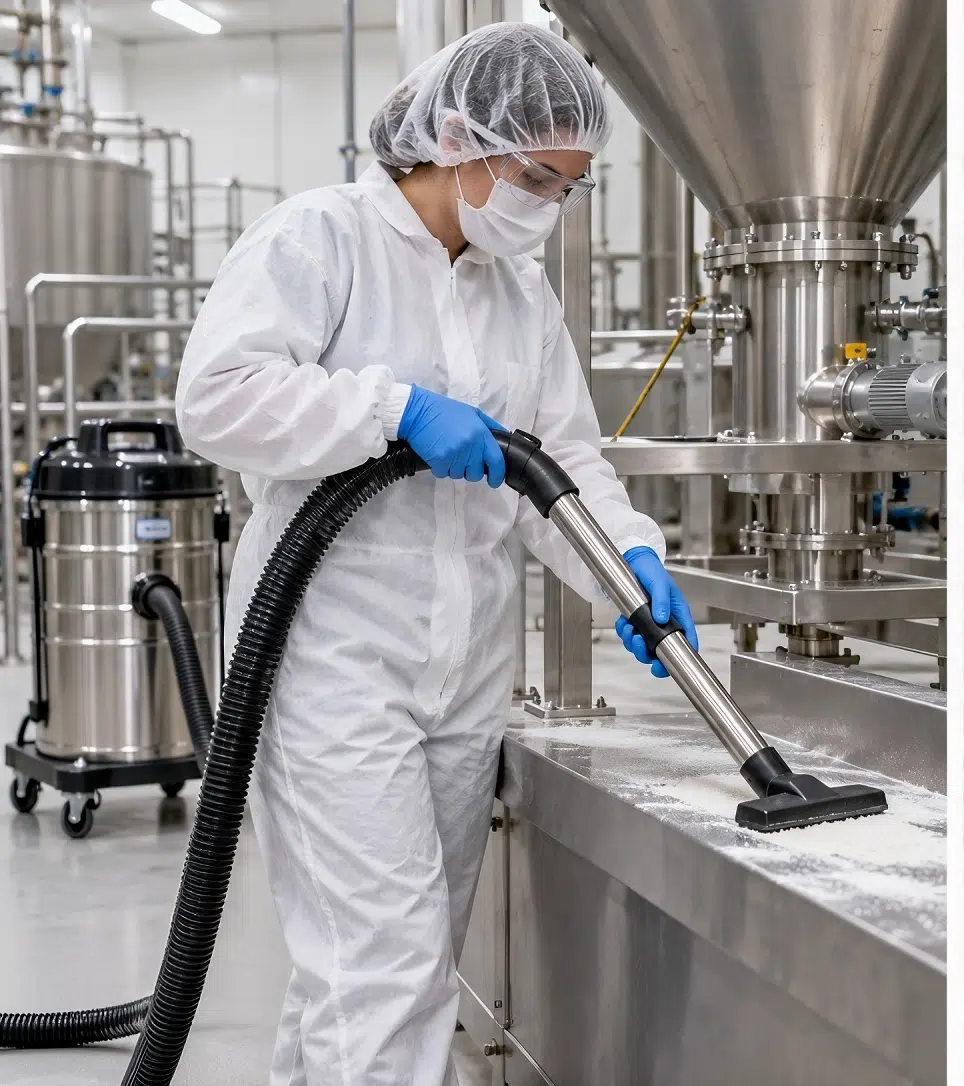
Combustible Dust Housekeeping: How to Build a Program That Prevents Secondary Explosions
Understand the conditions that lead to gas and vapor explosions, common industrial scenarios, and how facilities can reduce the risk.

Basket Self-Heating and Scale-Up Testing
Understand the conditions that lead to gas and vapor explosions, common industrial scenarios, and how facilities can reduce the risk.

How to Prevent Dust Explosions and Meet NFPA 660 Requirements
Understand the conditions that lead to gas and vapor explosions, common industrial scenarios, and how facilities can reduce the risk.
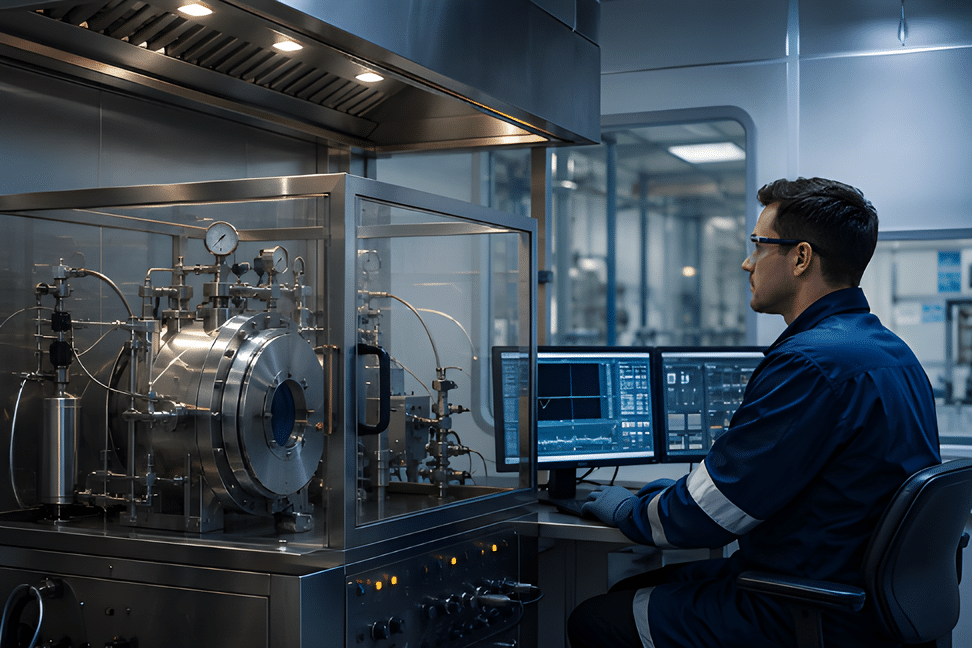
Flammability Testing Services
Understand the conditions that lead to gas and vapor explosions, common industrial scenarios, and how facilities can reduce the risk.

Building a Combustible Dust Safety Program
Understand the conditions that lead to gas and vapor explosions, common industrial scenarios, and how facilities can reduce the risk.

ATEX vs IECEx Hazardous Area Classification
Understand the conditions that lead to gas and vapor explosions, common industrial scenarios, and how facilities can reduce the risk.
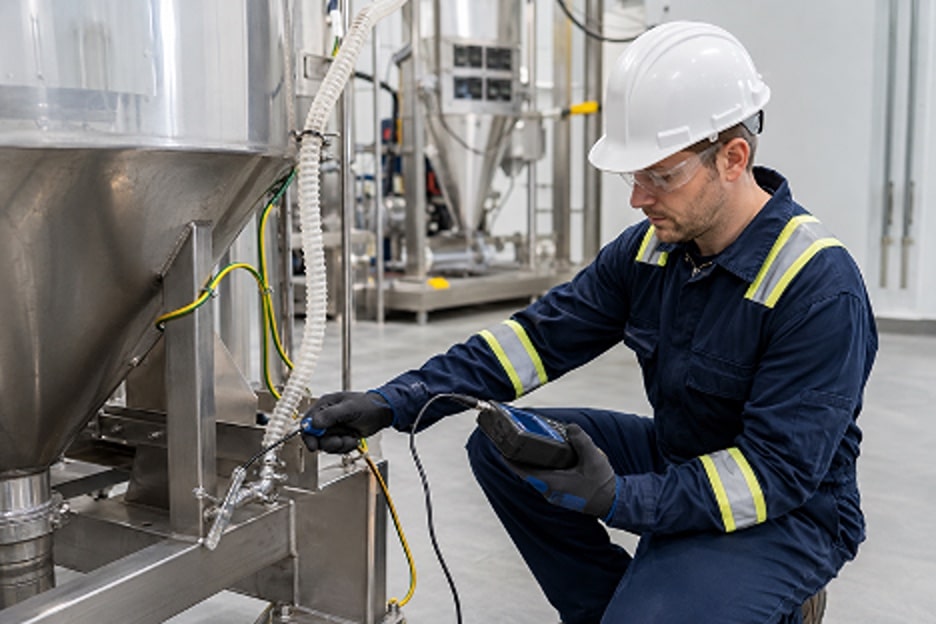
Protect Against Electrostatic Hazards
Understand the conditions that lead to gas and vapor explosions, common industrial scenarios, and how facilities can reduce the risk.
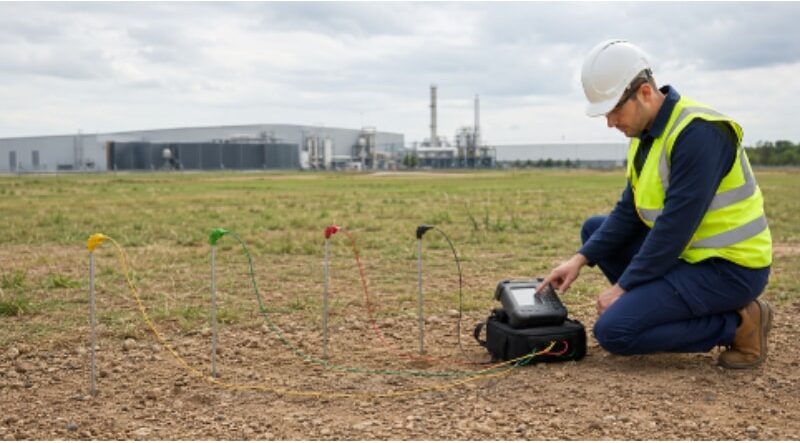
Soil Resistivity Information and Field Testing
Understand the conditions that lead to gas and vapor explosions, common industrial scenarios, and how facilities can reduce the risk.

SDS Creation and Physical Property Testing
Understand the conditions that lead to gas and vapor explosions, common industrial scenarios, and how facilities can reduce the risk.

UN/DOT HAZARDOUS MATERIALS TESTING
Understand the conditions that lead to gas and vapor explosions, common industrial scenarios, and how facilities can reduce the risk.

Thermal Stability Testing
Understand the conditions that lead to gas and vapor explosions, common industrial scenarios, and how facilities can reduce the risk.

Combustible Dust Hazard Identification and the Dust Hazard Analysis (DHA)
Understand the conditions that lead to gas and vapor explosions, common industrial scenarios, and how facilities can reduce the risk.