

Invisible, Silent, and Costly: The Real Risk of Skipping Static Control
We’ve all experienced static electricity, that sharp little shock when you touch a metal doorknob after walking across a carpet. In everyday life, it’s a minor annoyance. But on a manufacturing floor, in a cleanroom, or inside a chemical processing plant, electrostatic discharge (ESD) is a silent, costly, and potentially devastating threat.
Despite its massive impact, electrostatic control is often treated as an afterthought until an expensive component fails, a batch is ruined, or a safety incident occurs.
Here is why electrostatics testing should be a core priority for your operational risk management.
1. Protecting Sensitive Electronics (ESD Control)
Modern microchips and electronic components are smaller, faster, and more sensitive than ever before. It takes as little as 100 volts to permanently damage or degrade a sensitive semiconductor.
- The Catch? Human beings typically can’t even feel static electricity until it reaches around 3,000 volts.
- The Impact: That means a worker can unwittingly fry a component without ever realizing a discharge occurred.
Regular electrostatics testing ensures that your ESD-safe workstations, conductive flooring, wrist straps, and packaging are actually doing their job, preventing catastrophic component failure and costly field returns.
2. Preventing Explosions and Fire Hazards
In industries handling flammable liquids, gases, vapors, or combustible dusts (e.g., pharmaceuticals, chemical manufacturing, food processing), a single static spark can be catastrophic.
Safety First: Electrostatics testing helps identify high-risk areas where static charges accumulate on equipment, pipes, or personnel, ensuring proper grounding, bonding, and charge dissipation to maintain a safe working environment.

3. Improving Yield and Reducing Scrap Rates
Dust and airborne contaminants carry a charge. When your product surfaces accumulate static electricity, they turn into powerful magnets for dust and debris, a phenomenon known as electrostatic attraction.
For high-precision industries like optical manufacturing, automotive painting, or medical device packaging, dust contamination leads to rework, high scrap rates, and lost revenue. Testing helps you maintain optimal ionization and grounding to keep your products clean.
4. Regulatory Compliance and Audit Readiness
Whether you are aligning with ANSI/ESD S20.20, IEC 61340, or local workplace safety standards (like OSHA guidelines), static control isn’t just best practice, it’s often mandatory. Routine testing provides the documented proof required during audits, proving that your control measures are continuously verified, not just installed and forgotten.
The Bottom Line
An ESD control program is only as good as its last test. Mats wear out, grounding wires break, and humidity shifts, meaning static risks are constantly changing.
Investing in regular electrostatics testing isn’t an added cost; it’s an insurance policy for your quality, safety, and bottom line.

Related Blogs
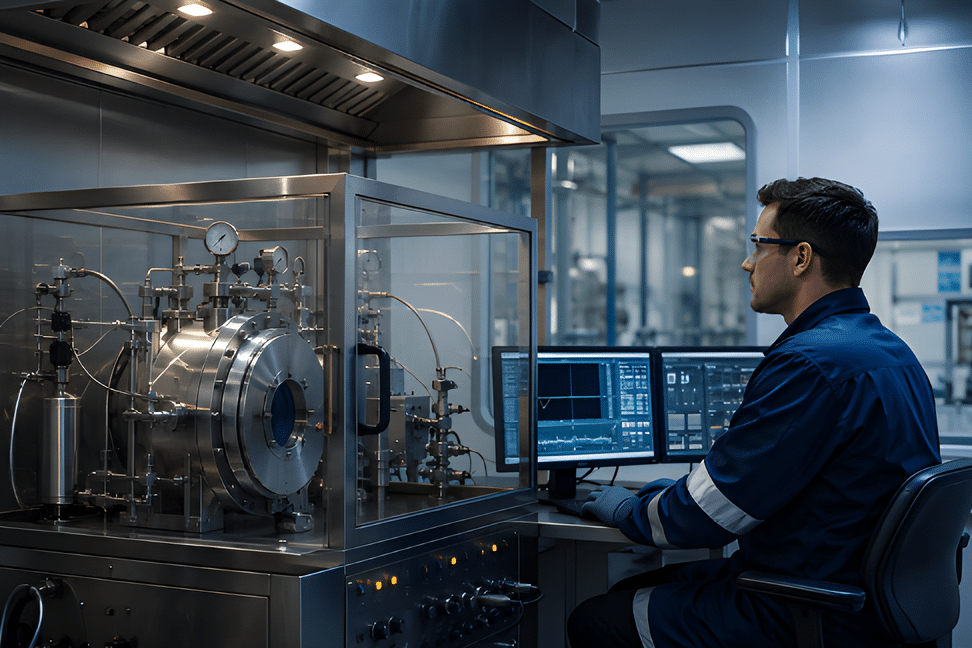
Flammability Testing Services
Understand the conditions that lead to gas and vapor explosions, common industrial scenarios, and how facilities can reduce the risk.

Building a Combustible Dust Safety Program
Understand the conditions that lead to gas and vapor explosions, common industrial scenarios, and how facilities can reduce the risk.

ATEX vs IECEx Hazardous Area Classification
Understand the conditions that lead to gas and vapor explosions, common industrial scenarios, and how facilities can reduce the risk.
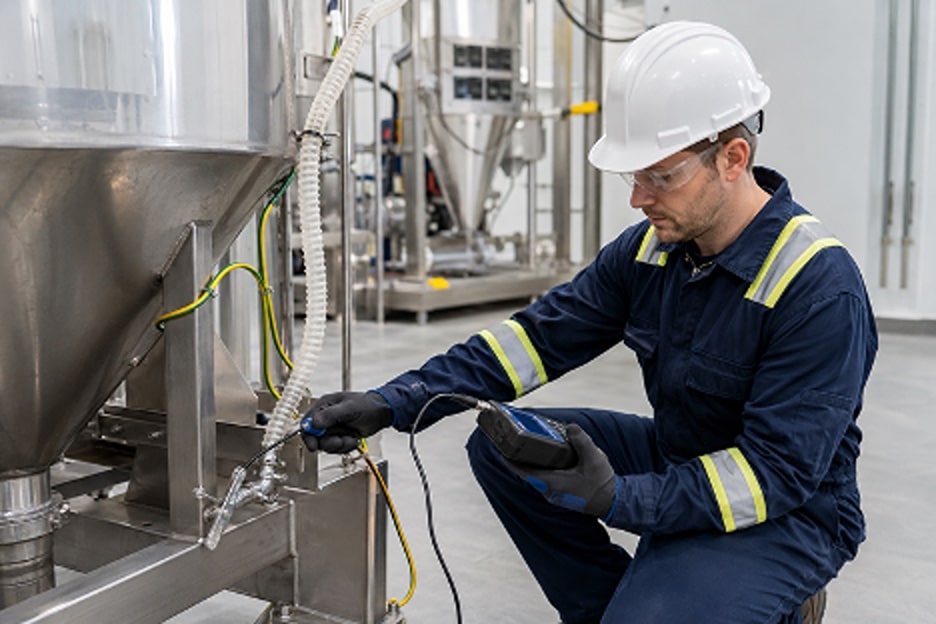
Protect Against Electrostatic Hazards
Understand the conditions that lead to gas and vapor explosions, common industrial scenarios, and how facilities can reduce the risk.
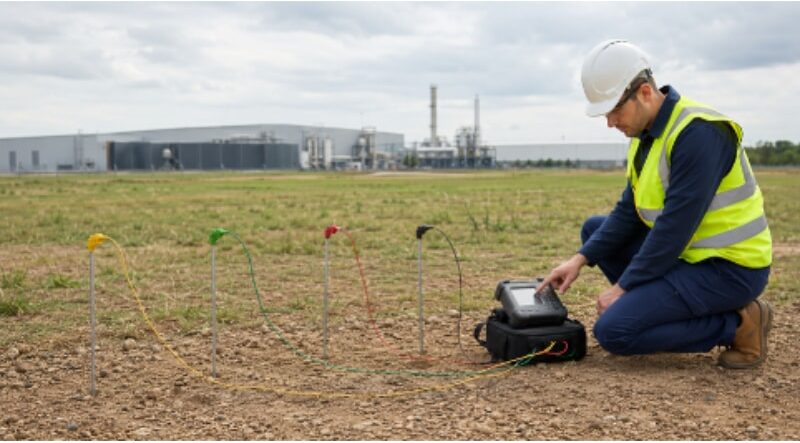
Soil Resistivity Information and Field Testing
Understand the conditions that lead to gas and vapor explosions, common industrial scenarios, and how facilities can reduce the risk.

SDS Creation and Physical Property Testing
Understand the conditions that lead to gas and vapor explosions, common industrial scenarios, and how facilities can reduce the risk.

UN/DOT HAZARDOUS MATERIALS TESTING
Understand the conditions that lead to gas and vapor explosions, common industrial scenarios, and how facilities can reduce the risk.

Thermal Stability Testing
Understand the conditions that lead to gas and vapor explosions, common industrial scenarios, and how facilities can reduce the risk.

Combustible Dust Hazard Identification and the Dust Hazard Analysis (DHA)
Understand the conditions that lead to gas and vapor explosions, common industrial scenarios, and how facilities can reduce the risk.

Chemical Reaction Hazard Testing & Reactive Chemical Services
Understand the conditions that lead to gas and vapor explosions, common industrial scenarios, and how facilities can reduce the risk.

ASTM Testing Services
Understand the conditions that lead to gas and vapor explosions, common industrial scenarios, and how facilities can reduce the risk.
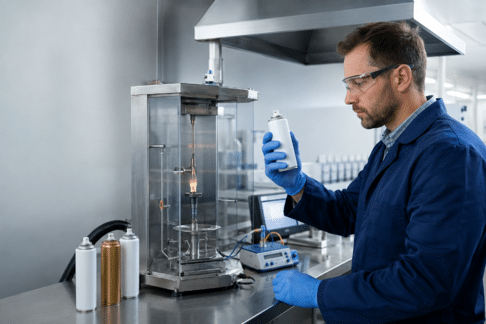
Aerosol Testing Services: Flammability, UN/DOT Classification and Safe Handling
Understand the conditions that lead to gas and vapor explosions, common industrial scenarios, and how facilities can reduce the risk.